
Inflation hits highest level in nearly 3 years, Fed's preferred gauge shows
Inflation Surges to Highest Level in Nearly Three Years as Iran War Spikes Gas Prices
The Numbers That Should Make Every American Pay Attention
The Fed's preferred inflation gauge, the Personal Consumption Expenditures price index, climbed to 3.8 percent year-over-year in the latest reading, the highest since late 2022. That marks the second straight monthly increase and puts core PCE, which strips out food and energy, at 3.4 percent. These are not abstract figures pulled from a spreadsheet. They translate directly into higher costs at the pump, the grocery aisle, and the mortgage broker's office.
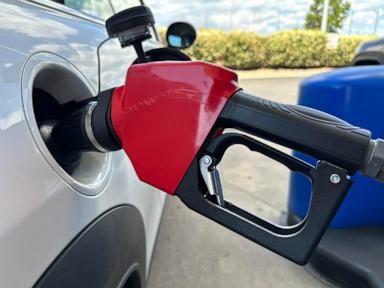
Gasoline prices jumped 14 percent in the past month alone after Iranian missiles struck key Saudi refining facilities and the Strait of Hormuz faced repeated threats. Brent crude briefly touched $118 a barrel. The ripple effects hit everything from jet fuel to plastic packaging, and the data shows households are already feeling it in real time.
How the Iran Conflict Turned a Cooling Trend Into a Spike
Just three months ago, inflation had been trending down toward the Fed's 2 percent target. Then the conflict escalated. Iranian-backed forces disrupted tanker traffic, and oil exports from the region dropped by roughly 1.2 million barrels a day. That supply shock landed on an economy still carrying excess demand from pandemic-era stimulus and tight labor markets.
Energy alone added 0.9 percentage points to the headline PCE number this month. Without that surge, inflation would have remained near 2.9 percent. The war did not create every inflationary pressure, but it accelerated the ones already simmering under the surface.
What This Means for Your Wallet Right Now
Average regular gasoline hit $4.87 a gallon nationally, up 62 cents in four weeks. In Atlanta metro, drivers are paying $4.62, the highest since the 2022 Ukraine shock. Families filling up two cars a week are looking at an extra $50 to $70 out of pocket monthly. That money does not come from nowhere. It gets pulled from dining out, clothing, or savings.
Grocery bills are following the same path. Food-at-home prices rose 0.6 percent in the month, with meat and dairy categories showing the sharpest gains because of higher transportation and feed costs. Rent and owners' equivalent rent, which make up a huge slice of core services inflation, continued climbing at a 5.1 percent annual pace. The combination means the typical household is losing roughly 3.2 percent in purchasing power compared with last year.
Fed Officials Face a Tougher Decision Than Markets Want to Admit
Chair Jerome Powell and the FOMC had been telegraphing two or three rate cuts this year. Those expectations now look overly optimistic. Several regional Fed presidents have already walked back dovish comments in the past ten days. One, speaking on background, noted that a sustained oil shock above $100 a barrel changes the math on how quickly inflation can return to target.
Markets are pricing in just one cut by December, down from three expected before the Iran escalation. Bond yields have risen sharply, with the 10-year Treasury moving above 4.4 percent. Mortgage rates have followed, pushing the 30-year fixed average to 7.1 percent. Anyone hoping to buy a home or refinance is staring at higher monthly payments that will not disappear quickly.
Expert Voices Cut Through the Spin
Economist Claudia Sahm, who developed the recession indicator that bears her name, put it bluntly: "Supply shocks from geopolitics do not fade on their own. The Fed cannot print more oil. If they ease too soon, they risk embedding higher inflation expectations. If they stay tight too long, they risk unnecessary unemployment. Neither option is clean."
Former Treasury official and current Peterson Institute fellow Jason Furman added context on the data side. "This is not 2021 all over again. We do not have the same demand overhang. But energy is a bigger swing factor than most models assumed six months ago. Policymakers need to watch wage growth closely. If that stays contained, the damage can be limited. If it does not, we are in for a longer fight."
Political Finger-Pointing Will Not Fix the Problem
Both parties are already spinning the numbers. Democrats blame oil companies and foreign adversaries. Republicans point to spending bills passed in prior years. The reality is more mundane and harder to fix: global oil markets respond to physical disruptions faster than any domestic policy lever can counteract them in the short run. Strategic Petroleum Reserve releases help at the margin but cannot replace lost Middle East supply indefinitely.
Consumers do not care about blame. They care that filling the tank and stocking the fridge now costs more. Polling from the past week shows consumer sentiment dropping five points, with inflation once again the top concern cited by respondents across income levels.
Where This Goes Next and What to Watch
The next PCE release in four weeks will tell us whether the Iran-driven spike is broadening into other categories or staying contained to energy. Wage data from the Employment Cost Index will show whether workers are successfully demanding higher pay to keep up. Oil inventory reports and any diplomatic movement around Hormuz will move prices faster than any Fed statement.
Businesses are already adjusting. Airlines have added fuel surcharges. Trucking contracts are being renegotiated with escalation clauses. Retailers are signaling they will pass along higher logistics costs into the back-to-school and holiday seasons. These are not temporary blips if the conflict drags on.
The bottom line is straightforward. Inflation is back above comfort levels because of a geopolitical shock layered on top of an economy that had not fully normalized. The Fed's preferred gauge does not lie, and neither do the prices Americans see every time they swipe a card. Pretending otherwise only delays the hard choices ahead.
By Jessica, Staff Writer
This article was produced with AI-assisted research and editorial support. Reporting is based on sources cited in the article.
What's Your Reaction?
 Like
0
Like
0
 Dislike
0
Dislike
0
 Love
0
Love
0
 Funny
0
Funny
0
 Wow
0
Wow
0
 Sad
0
Sad
0
 Angry
0
Angry
0

Editor-in-Chief at Global1.News. Atlanta-based journalist who cuts through the BS and tells it like it is. Lead anchor, host, and the voice you hear when the spin stops and the truth starts.














Comments (0)