
VP Sara Duterte Impeachment Trial Week 1: Defense Strategy on Video Evidence and Attendance
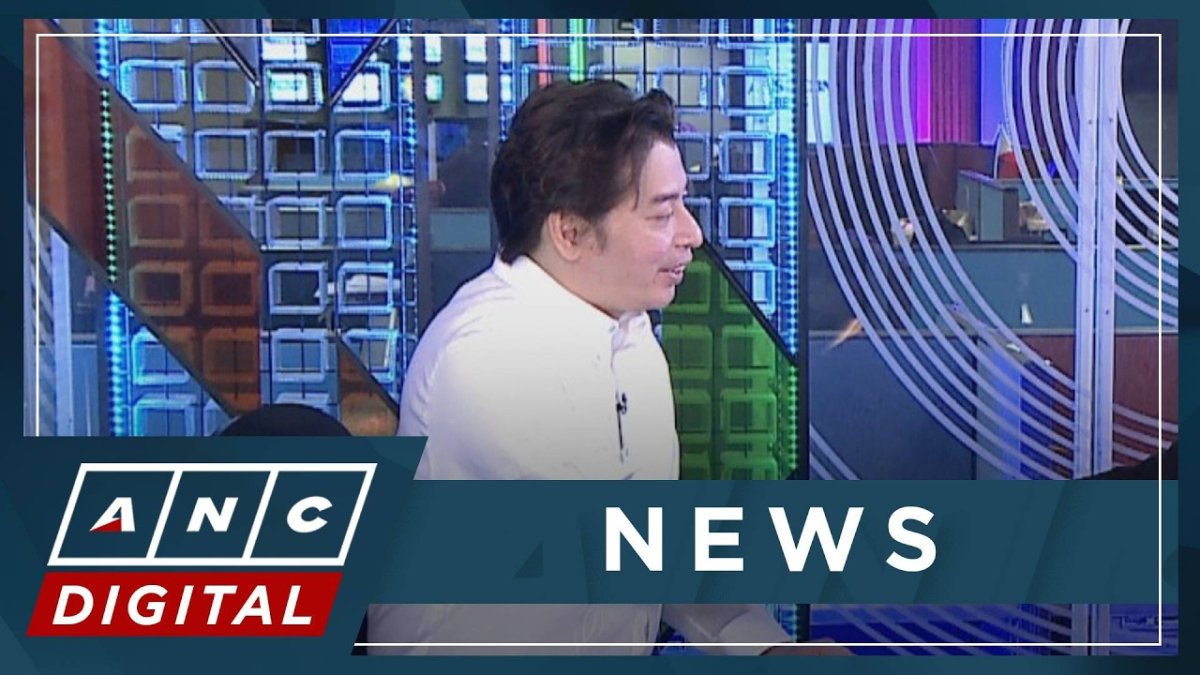
In the latest ANC 24/7 Headstart Recap video, defense spokesperson Atty. Michael Poa walks viewers through the opening maneuvers of Vice President Sara Duterte’s impeachment trial, from the July 6, 2026 start at the Philippine Senate to the strategic decisions that shaped the first week. Poa emphasizes that the defense team’s choices, including the vice president’s absence on D
In the latest ANC 24/7 Headstart Recap video, defense spokesperson Atty. Michael Poa walks viewers through the opening maneuvers of Vice President Sara Duterte’s impeachment trial, from the July 6, 2026 start at the Philippine Senate to the strategic decisions that shaped the first week. Poa emphasizes that the defense team’s choices, including the vice president’s absence on Day 1, reflect careful legal planning rather than evasion. The recap highlights how the historic proceedings are already testing constitutional boundaries and public trust in Philippine institutions.
Historic First Week Unfolds in VP Sara Duterte Impeachment Trial as Senate Sets 92-Day Timeline
Manila, Philippines — The first week of the impeachment trial against Vice President Sara Duterte opened on July 6, 2026, inside the Philippine Senate chamber in Manila, marking the first time a sitting vice president has faced such proceedings in the country’s history. Sen. Francis “Chiz” Escudero was elected presiding officer of the impeachment court on the opening day, overseeing a schedule that allocates 62 trial dates to the prosecution and 30 to the defense within a total 92-day period. Lead House prosecutor Rep. Gerville Luistro received a 10/10 rating from the panel for the prosecution’s initial presentation, which featured NBI agent Calilung as the first witness on cybercrime and digital forensics matters. The prosecution introduced a two-minute video clip from Duterte’s November 2024 press conference, while the defense immediately countered by playing a longer segment of the same footage to supply context, with Atty. Michael Poa indicating they may later push for the full two-hour video to be shown.
Section Heading — The Story
The trial centers on Article IV charges of grave threats and betrayal of public trust, with the defense maintaining that prosecutors lack competent evidence of any alleged assassin contract. Atty. Poa told ANC 24/7 that it remains too early to decide whether Vice President Duterte must appear in person, describing her Day 1 appearance through counsel as a deliberate legal strategy. House Impeachment Adviser Robert Ace Barbers countered that the defense failed to impeach the credibility of the first witness, NBI agent Calilung, during cross-examination. The 16-senator threshold required for conviction, representing a two-thirds majority of the 24-member Senate, looms over every session as both sides organize their evidence calendars.
Proceedings moved methodically through procedural votes and evidentiary presentations, with the Senate gallery filled by journalists, legal observers, and representatives from civil society groups monitoring the historic case. Atty. Mel Sta. Maria, former FEU Law dean, noted during the recap discussion that the Constitution designates the Senate President as presiding officer yet grants Congress flexibility in implementation. By the end of the first week, the court had already established ground rules for video evidence and witness sequencing that will guide the remaining 87 days of the trial.
Section Heading — Philippine Context
The impeachment trial unfolds against the backdrop of Philippine political traditions that value both accountability and family legacies in public service. Manila’s Senate building, a symbol of legislative independence since the post-Marcos era, now hosts debates that echo earlier high-profile cases involving former presidents and cabinet officials. The involvement of figures such as Sen. Escudero and Rep. Luistro connects the current proceedings to ongoing discussions about dynasties, regional power bases in Davao, and the balance between executive and legislative branches. Atty. Poa’s comments on the full two-hour video reflect a broader cultural emphasis on context and narrative in Filipino public discourse, where press conferences often carry layered meanings for regional audiences.
Constitutional scholars continue to reference the 1987 Charter’s provisions on impeachment as the trial tests how flexibly the Senate can interpret presiding-officer rules. The case also intersects with national conversations about cybercrime laws and digital evidence, areas where NBI expertise has grown since the 2012 Cybercrime Prevention Act. These elements situate the Duterte impeachment within a distinctly Philippine story of evolving democratic safeguards and regional political identities.
Section Heading — Impact on Filipinos
Filipino families across the archipelago are watching how the trial affects everyday governance, from budget allocations tied to the vice president’s office to public confidence in institutions that deliver services in provinces far from Manila. In Davao communities where the Duterte name carries deep local roots, residents express concern that prolonged proceedings could distract from infrastructure projects and health programs already underway. The 92-day timeline, with its uneven split of 62 prosecution days and 30 defense days, means citizens will follow months of televised sessions that could shape how future leaders approach accountability.
Young professionals and students following the case through ANC 24/7 recaps see direct lessons about legal strategy and constitutional interpretation that may influence their own civic participation. The absence of the vice president on Day 1, explained by Atty. Poa as tactical rather than evasive, has sparked household discussions about the rights of public officials during trials. Ultimately, the outcome will influence how ordinary Filipinos perceive the fairness of a system meant to protect them from abuses of power.
Section Heading — Reactions and Responses
Atty. Michael Poa stressed in the ANC 24/7 video that the defense views the prosecution’s evidence as insufficient on the assassin-contract allegation, prompting immediate rebuttals from House prosecutors who pointed to the strength of the initial witness testimony. Robert Ace Barbers publicly stated that the defense had not succeeded in undermining NBI agent Calilung, a claim that circulated quickly among legal analysts and social media commentators. Atty. Mel Sta. Maria offered measured analysis on the Senate President’s role, underscoring Congress’s latitude while affirming the Constitution’s clear language.
Rep. Gerville Luistro’s 10/10 rating from the panel drew praise from supporters of the impeachment process, while critics questioned whether the two-minute video clip adequately represented the November 2024 press conference. Defense plans to seek the entire two-hour recording have already generated debate about transparency and completeness in evidentiary presentations. These exchanges highlight the passionate yet structured dialogue that characterizes Philippine political discourse during national trials.
What to Watch For
Observers will monitor whether the defense succeeds in admitting the full two-hour November 2024 video and how the presiding officer rules on related objections in coming weeks. The decision on Vice President Duterte’s personal attendance remains fluid, with Atty. Poa indicating further assessment is needed before any commitment. Senate vote tallies on procedural matters will offer early signals about the 16-vote threshold required for conviction.
Additional witnesses from both sides are expected to expand on cyber forensics and public-trust issues, potentially shifting public sentiment as more details emerge. The 30 defense days will test how effectively the team can counter the prosecution’s 62-day allocation. Continued coverage on ANC 24/7 will track these developments for Filipino audiences seeking clarity amid the historic proceedings.
The first week has already demonstrated that this impeachment trial will test not only legal arguments but also the resilience of Philippine democratic traditions. As the Senate moves forward under Sen. Escudero’s leadership, the focus remains on ensuring that every Filipino sees a process grounded in fairness and evidence. The coming months will reveal whether the court can deliver a verdict that strengthens public trust in governance across the nation. By Bella Reyes, Staff Writer
This article was produced with AI-assisted research and editorial support. Reporting is based on sources cited in the article.
What's Your Reaction?
 Like
0
Like
0
 Dislike
0
Dislike
0
 Love
0
Love
0
 Funny
0
Funny
0
 Wow
0
Wow
0
 Sad
0
Sad
0
 Angry
0
Angry
0

Philippines/Southeast Asia Correspondent at Global1.News. Manila-based journalist covering Philippine politics, environment, maritime security, and social issues. Passionate about marine conservation and the communities protecting the Philippines' natural heritage.













Comments (0)