
Iran live updates: Negotiators believe they have draft deal, leaders haven't approved
Iran live updates: Negotiators believe they have draft deal, leaders haven't approved
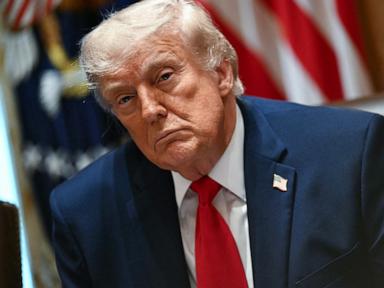
President Donald Trump announced major combat operations against Iran on Feb. 28, with massive joint U.S.-Israeli strikes hitting nuclear sites, Revolutionary Guard command centers, and oil infrastructure. The barrage came after months of rising tensions, yet negotiators in Oman now claim they have hammered out a draft framework. Leaders in Washington, Jerusalem, and Tehran have not signed off. This is not some tidy diplomatic victory. It is the same old cycle of force followed by frantic backchannel talks.
Strikes Hit Hard and Fast
Trump's Feb. 28 address from the White House Situation Room laid it out without apology. U.S. B-2 bombers and Israeli F-35s targeted Fordow, Natanz, and an underground facility near Isfahan. Early damage assessments show at least 40 percent of Iran's known enrichment capacity knocked offline. Oil exports from Bandar Abbas dropped sharply within hours. Crude prices spiked past $98 a barrel before settling around $91. The strikes also took out several ballistic missile batteries that Tehran had moved toward the Strait of Hormuz.
Israeli Defense Minister Yoav Gallant confirmed coordination at the highest levels. "We removed immediate threats," he said in a televised briefing. U.S. Central Command reported no American casualties and minimal collateral damage, though independent verification remains thin. Iranian state media claimed civilian deaths at a nearby village, but those numbers have not been corroborated by outside observers.
Negotiators Whisper About a Draft
Despite the explosions, a small team of diplomats in Muscat believes it has text both sides could live with. The draft reportedly freezes Iran's enrichment at 3.67 percent for five years, opens International Atomic Energy Agency inspectors to additional sites, and lifts some sanctions in phased releases tied to verified compliance. In exchange, Tehran would halt support for certain proxy groups and accept limits on missile ranges. Sources close to the talks say the document runs 47 pages and includes side letters on prisoner swaps.
Nothing is approved. Trump has not reviewed the final language. Iran's Supreme Leader Ali Khamenei has remained silent. Israeli Prime Minister Benjamin Netanyahu's office issued a terse statement that any deal must include "ironclad" dismantlement of all enrichment infrastructure, not a temporary pause. The gap between what negotiators produced and what leaders will accept remains wide.
Background That Explains the Chaos
Iran's nuclear program has survived decades of sanctions, sabotage, and prior agreements. The 2015 JCPOA limited enrichment but collapsed after Trump withdrew in 2018. Since then, Iran enriched uranium to 60 percent, installed advanced centrifuges, and expanded hidden sites. Israeli operations such as the 2020 killing of scientist Mohsen Fakhrizadeh and the 2021 Natanz blackout slowed progress but never stopped it. U.S. intelligence assessments from late 2024 estimated Iran could produce enough fissile material for one bomb in roughly two weeks if it chose to race.
Regional proxy wars added fuel. Iranian-backed militias attacked U.S. forces in Iraq and Syria more than 170 times since October 2023. Houthi strikes on Red Sea shipping disrupted global trade. Hezbollah's arsenal in Lebanon grew to an estimated 150,000 rockets. The Feb. 28 strikes represent the first direct, large-scale response from Washington and Jerusalem combined.
Expert Voices Cut Through the Spin
Former CIA analyst and current Carnegie Endowment fellow Karim Sadjadpour called the timing "reckless theater." He noted that military action without a follow-on diplomatic off-ramp usually hardens Iranian resolve. "Tehran has absorbed worse and rebuilt," he said. On the other side, Foundation for Defense of Democracies senior fellow Behnam Ben Taleblu argued the strikes created necessary leverage. "Without pressure, Iran never negotiates seriously," he told Global1 News.
Energy analyst Sarah Ladislaw at the Center for Strategic and International Studies warned of longer-term market effects. She projected that sustained Iranian export cuts could keep oil above $85 through summer, raising U.S. gasoline prices by 30 to 40 cents per gallon. European allies expressed private concern that escalation risks drawing in Gulf states and further destabilizing Iraq and Syria.
What This Means for Readers
American households will feel higher energy costs first. Defense contractors already saw stock gains on the announcement. Markets in Asia opened lower on fears of wider conflict. For service members, the risk of follow-on missions just increased. For families with relatives in the region, the uncertainty is immediate.
Politically, the move hands Trump a strong national-security narrative heading into any future election cycle. Critics will call it impulsive. Supporters will point to destroyed centrifuges as proof that deterrence works. Neither side has offered a credible long-term plan beyond more strikes or more sanctions.
The draft deal remains just that: a draft. Until leaders approve it, the region sits one miscalculation away from wider war. Force created the opening; whether anyone walks through it is still undecided.
By Jessica, Staff Writer
This article was produced with AI-assisted research and editorial support. Reporting is based on sources cited in the article.
What's Your Reaction?
 Like
0
Like
0
 Dislike
0
Dislike
0
 Love
0
Love
0
 Funny
0
Funny
0
 Wow
0
Wow
0
 Sad
0
Sad
0
 Angry
0
Angry
0

Editor-in-Chief at Global1.News. Atlanta-based journalist who cuts through the BS and tells it like it is. Lead anchor, host, and the voice you hear when the spin stops and the truth starts.












Comments (0)