
Norway: International Law Must Stand When Allies Break It
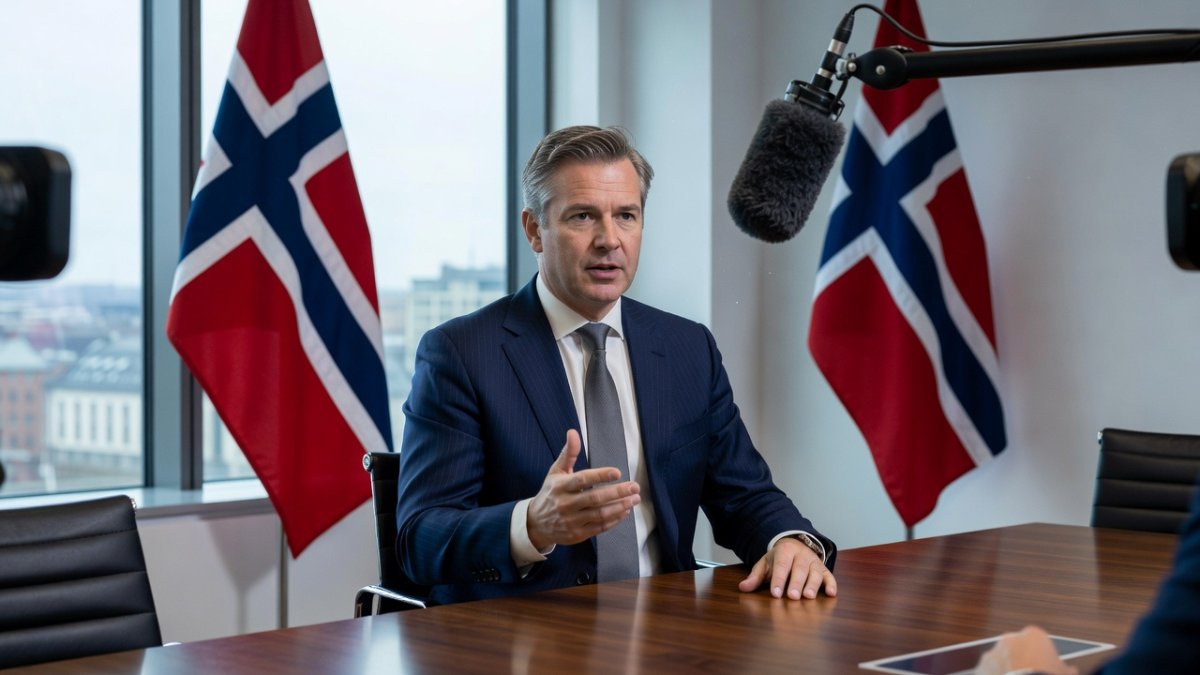
In a recent Middle East Eye Expert Witness interview, Norway's Deputy Foreign Minister Andreas Kravik spoke with journalist Sondos Asem in Oslo about the necessity of upholding international law even when close allies violate it. Kravik, a public international lawyer and former chief of legal affairs at Norway's foreign ministry, outlined Norway's assessment that the US-Israeli
In a recent Middle East Eye Expert Witness interview, Norway's Deputy Foreign Minister Andreas Kravik spoke with journalist Sondos Asem in Oslo about the necessity of upholding international law even when close allies violate it. Kravik, a public international lawyer and former chief of legal affairs at Norway's foreign ministry, outlined Norway's assessment that the US-Israeli strikes on Iran lacked legal basis under the UN Charter. This interview provides a foundation for examining how such positions intersect with the ongoing war in Gaza, now in its third year, and the broader challenges facing Palestinian communities under blockade and displacement.
Norway's Deputy Foreign Minister Defends International Law Amid Regional Conflict
Oslo, Norway — June 14, 2026 — In an interview recorded in the Norwegian capital, Deputy Foreign Minister Andreas Kravik argued forcefully that international law remains relevant even when powerful states choose to disregard it. His remarks come at a time when the war on Gaza has entered its third year, regional conflict has expanded to include strikes on Iran, and international legal institutions face unprecedented political pressure.
Norway's Legal Position on Strikes Against Iran
Deputy Foreign Minister Andreas Kravik stated that Norway's internal legal review concluded the US-Israeli strikes on Iran constituted a violation of the UN Charter. The assessment found no authorisation from the UN Security Council and no consent from Iranian authorities. Kravik emphasised that states must apply international law consistently, noting that selective enforcement risks the collapse of the legal order. He added that Iran retains a right to self-defence under the UN Charter, though its own response also breached legal limits in certain respects.
These strikes have expanded the regional conflict that began with Israel's military operations in Gaza following October 2023. The closure of the Strait of Hormuz by Iran for much of the ensuing period, met by US blockades of Iranian ports, has disrupted global energy routes and increased economic pressures on communities already facing shortages in occupied Palestinian territories.
Norway's Mediation Efforts in the Region
Kravik described Norway's ongoing diplomatic role, including visits to Pakistan, Iran, and Oman aimed at de-escalation. Norway has positioned itself as a quiet mediator, drawing on its history of facilitating talks in other conflicts. These efforts occur against a backdrop where Palestinian civilians in Gaza and the West Bank continue to experience restricted movement, limited access to medical care, and repeated displacement due to military operations.
Local Palestinian organisations have long documented how regional escalations compound daily hardships, from fuel shortages affecting hospitals to barriers on agricultural exports from the West Bank. Kravik's account of mediation highlights the gap between diplomatic channels and the immediate needs of families in Gaza who have endured three years of conflict without adequate humanitarian corridors.
Criticism of Sanctions on the International Criminal Court
Kravik condemned US sanctions imposed on ICC judges and prosecutors following the court's actions related to Israeli officials. He described the measures as unconscionable, arguing that third states outside the court's framework should not penalise officials for carrying out their duties. The ICC bureau has suspended prosecutor Karim Khan pending a final vote on misconduct allegations, while a judicial panel appointed by the oversight body cleared him of those claims.
Palestinian human rights groups have tracked these developments closely, viewing the sanctions as an attempt to shield accountability processes. In Gaza, where residents have reported widespread destruction of homes and infrastructure, the ICC's role in examining alleged violations remains a point of reference for families seeking legal recognition of their losses.
Norway's Stance on ICC Warrants and ICJ Orders
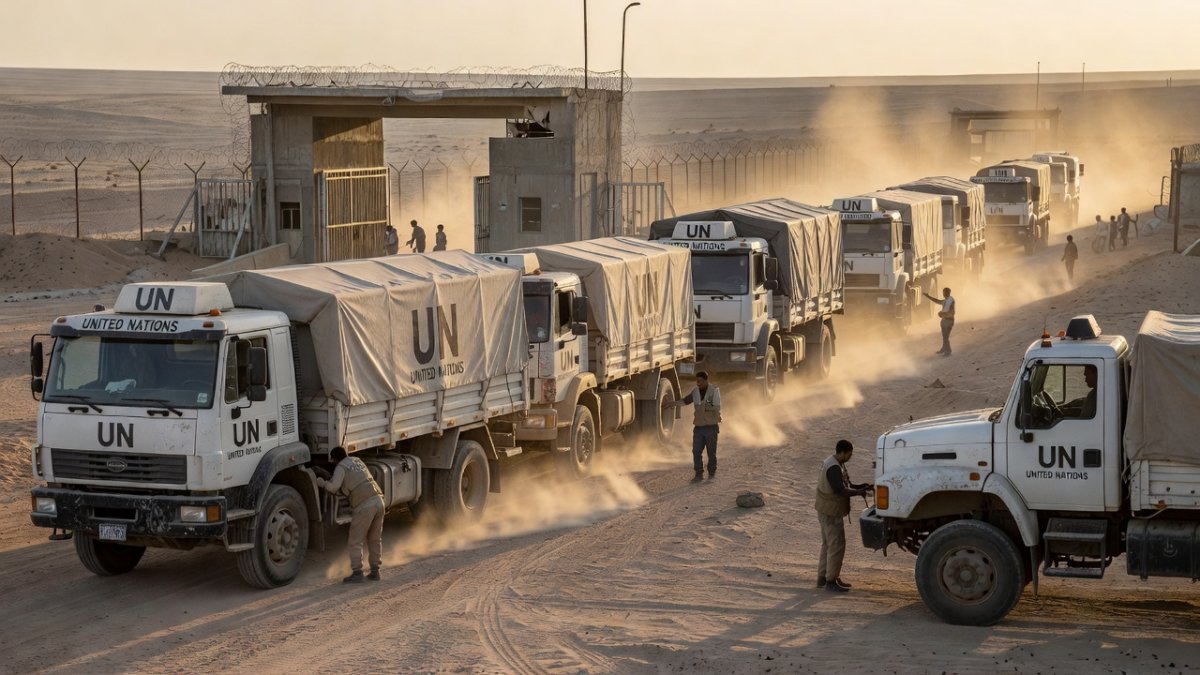
Regarding the ICC arrest warrant for Israeli Prime Minister Benjamin Netanyahu, Kravik confirmed that Norway would comply with any warrant if the individual were present on Norwegian soil. He also urged states to respect the judicial panel's conclusion that grounds for terminating the prosecutor's mandate did not exist. On the International Court of Justice, Kravik noted Israel's failure to implement provisional measures requiring facilitation of humanitarian aid into Gaza and non-obstruction of UNRWA operations, calling the situation extremely unfortunate.
These ICJ orders address core elements of Palestinian daily life, including the delivery of food, medicine, and reconstruction materials. UNRWA, which Kravik described as an indispensable organisation, continues to receive Norwegian funding despite repeated restrictions on its work in Gaza and the West Bank. Palestinian officials and aid workers have emphasised that sustained support for such agencies directly affects the ability of displaced families to access basic services.
Human Impact on Palestinian Communities and Future Implications
The war's expansion has intersected with long-standing restrictions on Palestinian movement and resources. In Gaza, where the conflict has now lasted into its third year, residents face compounded effects from energy disruptions linked to the Strait of Hormuz closure and ongoing limitations on aid. Kravik's insistence on consistent application of international law connects to these realities, as selective enforcement leaves civilian populations without reliable protections.
Norway's continued funding of UNRWA and its public legal positions offer one example of state practice that Palestinian civil society monitors for consistency. Historical patterns in the region show that when legal obligations are applied unevenly, the resulting instability often falls heaviest on communities already navigating occupation and displacement. Kravik's interview underscores the broader risk that selective silence on violations by allies could erode the framework intended to safeguard all populations.
By Fatima Al-Rashid, Staff Writer
This article was produced with AI-assisted research and editorial support. Reporting is based on sources cited in the article.
What's Your Reaction?
 Like
0
Like
0
 Dislike
0
Dislike
0
 Love
0
Love
0
 Funny
0
Funny
0
 Wow
0
Wow
0
 Sad
0
Sad
0
 Angry
0
Angry
0

Gulf/MENA Correspondent at Global1.News. Based in Doha, covering Gulf politics, energy markets, diplomacy, and development across the Middle East and North Africa. Tracks the economic transformation of the Gulf states.











Comments (0)