
New York Mandates 'Synthetic Performer' Labels on AI-Generated Ads as Global AI Regulation Debate Intensifies
New York Enforces Disclosure Rules for AI-Generated Performers in Advertising The state of New York has introduced legislation requiring clear labelling on all advertisements that feature artificial intelligence-generated individuals, described officially as synthetic performers. Governor Kathy Hochul signed the measure in December, with the rules taking effect this week. The s
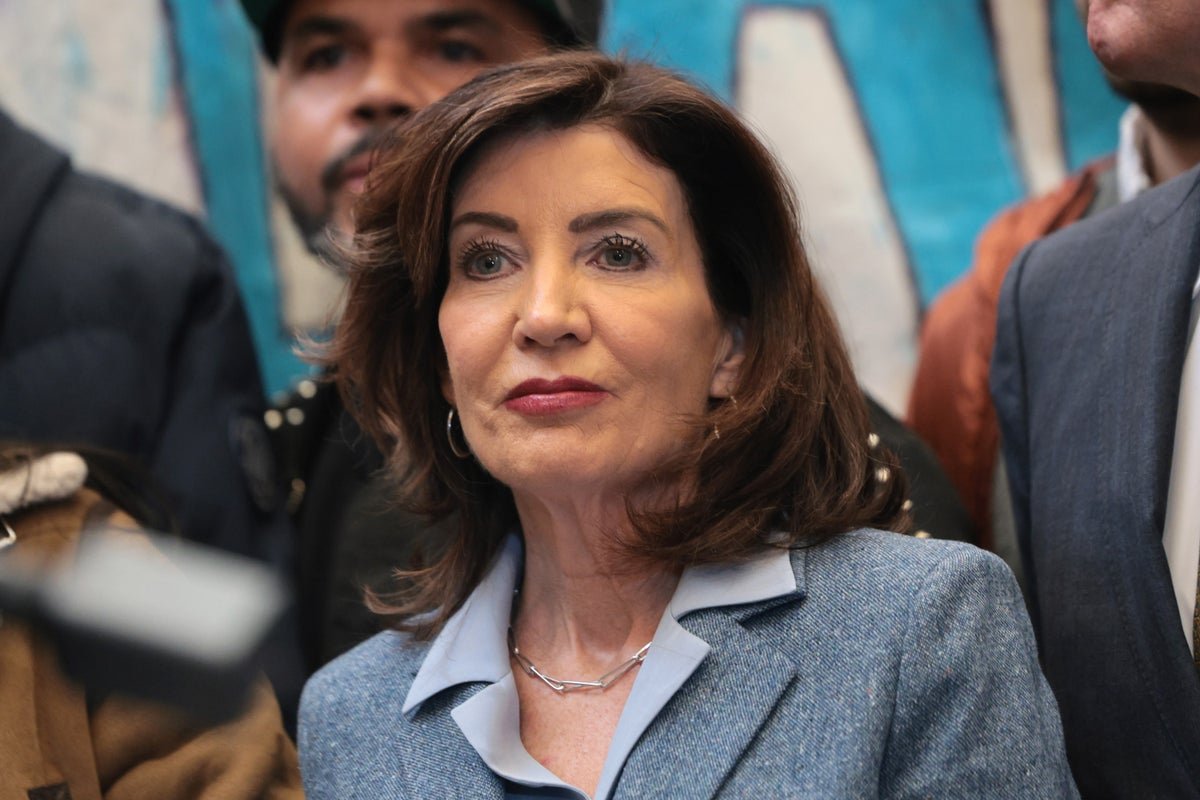
New York Enforces Disclosure Rules for AI-Generated Performers in Advertising
The state of New York has introduced legislation requiring clear labelling on all advertisements that feature artificial intelligence-generated individuals, described officially as synthetic performers. Governor Kathy Hochul signed the measure in December, with the rules taking effect this week. The statute defines synthetic performers as digitally-created media that appear as a real person and applies across every advertising medium, from social media campaigns to traditional print and broadcast formats. This development arrives amid growing international scrutiny of AI tools in commercial content, prompting immediate questions for regulators elsewhere, including in Westminster.
Governor Hochul, a Democrat, framed the requirement as a necessary step to maintain public trust. She described the mandate for simple, honest disclosure as a measure that protects consumers, respects the creative workforce and positions New York at the forefront of responsible innovation. Penalties for non-compliance begin at 1,000 dollars for a first offence and rise to 5,000 dollars for repeat violations when advertisers fail to make the required conspicuous disclosure.
Exemptions and Legislative Compromises Shape the Final Text
The New York statute contains several targeted exemptions that limit its reach. Advertisements promoting films, television programmes, streaming services, video games or other productions where synthetic performers form an integral part of the entire work fall outside the rules. Audio-only advertisements and those using AI exclusively for language translation are also exempt. These carve-outs emerged after extensive debate in the state legislature last year, reflecting efforts to balance transparency with practical concerns from industry stakeholders.
Amendments introduced during passage addressed some objections from broadcasters and agencies, yet the core definition of a synthetic performer remains broad. The New York State Broadcasters Association has noted ongoing unease about how widely the term might be interpreted in future enforcement actions. Meanwhile, the Screen Actors Guild – American Federation of Television and Radio Artists welcomed the law as complementary to recent union agreements with studios that seek to limit unauthorised digital replicas of performers.
Industry Reactions Highlight Tension Between Innovation and Accountability
Opposition during the bill's progress came chiefly from the American Association of Advertising Agencies, which warned that the measure would inject compliance uncertainty into advertising processes and burden brands operating in New York. The group argued that such rules risk undermining creative and technological innovation at a moment when AI tools are becoming standard in campaign development. These concerns echo those voiced by commercial organisations in other jurisdictions facing similar proposals.
Supporters, including actors' unions, countered that the legislation addresses legitimate risks to employment and consumer understanding. The measure forms part of a wider pattern across several American states, where proposals aim to protect human jobs or reduce privacy and safety threats linked to AI-generated imagery. Existing state-level rules already cover deepfakes in specific contexts and impose transparency obligations on data collection, suggesting New York's approach fits within an emerging regulatory patchwork.
Whitehall Monitors Transatlantic Developments Amid Domestic AI Strategy
Attention in London has turned quickly to the New York precedent as ministers continue to refine the United Kingdom's own framework for artificial intelligence. The Online Safety Act already places duties on platforms to address harmful content, yet questions persist about how synthetic media in commercial advertising should be treated. Whitehall officials have so far favoured a principles-based approach rather than prescriptive labelling mandates, preferring to work through existing advertising standards bodies and the forthcoming AI regulatory sandbox.
British ministers have repeatedly stated that any new rules must avoid fragmenting the digital single market or placing disproportionate costs on smaller agencies. The Department for Science, Innovation and Technology continues to examine how disclosure requirements might interact with the Online Safety Act's risk-assessment obligations. Early indications suggest that any UK measures would likely focus on high-risk categories such as political advertising or health-related claims rather than applying uniformly across all commercial content.
Implications for British Advertisers and Consumer Protection Standards
Agencies based in London, Manchester and Edinburgh that run campaigns targeting American audiences now face immediate compliance questions. Those placing advertisements in New York must ensure synthetic performers are labelled, even when the creative work originates in the United Kingdom. Trade bodies including the Advertising Association and the Institute of Practitioners in Advertising have begun circulating guidance notes to members, urging early audits of AI-assisted workflows.
Consumer groups in Britain have welcomed the New York development as evidence that transparent labelling can be implemented without halting technological progress. They argue that similar clarity would benefit UK audiences who increasingly encounter AI-generated imagery in digital advertising. The Competition and Markets Authority has previously highlighted risks of consumer confusion arising from undisclosed synthetic content, suggesting that enforcement bodies here may draw on the New York model when reviewing existing codes of practice.
Global Regulatory Fragmentation Raises Questions for Future Alignment
President Donald Trump's recent executive order urging states to pause AI regulation has added another layer of complexity. The order reflects concerns that divergent state rules could slow American AI companies and affect competitiveness with China. Critics maintain that reduced oversight might leave gaps in accountability, particularly where synthetic media crosses state lines or national borders.
For British policymakers, the episode underscores the challenge of maintaining regulatory coherence while major trading partners adopt differing approaches. The government's AI Opportunities Action Plan emphasises international collaboration, yet practical questions remain about how UK standards might align with emerging disclosure regimes in New York and other jurisdictions. Industry observers expect further consultation papers from Whitehall in the coming months as ministers assess whether additional measures are required to keep pace with technological change.
By Erica Thornton, Staff WriterThis article was produced with AI-assisted research and editorial support. Reporting is based on sources cited in the article.
What's Your Reaction?
 Like
0
Like
0
 Dislike
0
Dislike
0
 Love
0
Love
0
 Funny
0
Funny
0
 Wow
0
Wow
0
 Sad
0
Sad
0
 Angry
0
Angry
0

US Politics and Policy Correspondent at Global1.News. Based in Washington DC, covering American politics, policy, elections, and the courts. Knows how the system works and tells you what it actually means.















Comments (0)