
Netanyahu Rejects US-Iran Deal as Coalition Crisis Grows
In a recent i24NEWS video broadcast from Geneva on June 19, 2026, correspondents detailed the surprise 14-point Memorandum of Understanding between the United States and Iran, capturing immediate reactions from European diplomats and oil traders as the Strait of Hormuz reopened. The footage highlighted the 60-day interim ceasefire framework and the cautious optimism from Pakist
In a recent i24NEWS video broadcast from Geneva on June 19, 2026, correspondents detailed the surprise 14-point Memorandum of Understanding between the United States and Iran, capturing immediate reactions from European diplomats and oil traders as the Strait of Hormuz reopened. The footage highlighted the 60-day interim ceasefire framework and the cautious optimism from Pakistan's mediation team amid falling global oil prices.
Trump-Pezeshkian Accord Isolates Netanyahu as Israel Faces Coalition Revolt and Northern Front Crisis
Jerusalem, Israel – This week — The US-Iran 14-point MoU signed in Geneva on June 19, 2026, by President Donald Trump and Iranian President Masoud Pezeshkian triggered an immediate political earthquake in Israel, with Prime Minister Benjamin Netanyahu rejecting the deal outright while coalition partners threatened collapse. The agreement established a 60-day interim period requiring a full ceasefire across all fronts including Lebanon, an Iranian halt to nuclear weapons development, reopening of the Strait of Hormuz, lifting of the US naval blockade, Hezbollah withdrawal from southern Lebanon, and phased sanctions relief that sent oil prices tumbling. European nations including Germany and France issued measured welcomes, crediting Pakistan's mediation role, yet Israeli fury focused squarely on Netanyahu according to Associated Press reporting from Tel Aviv streets.
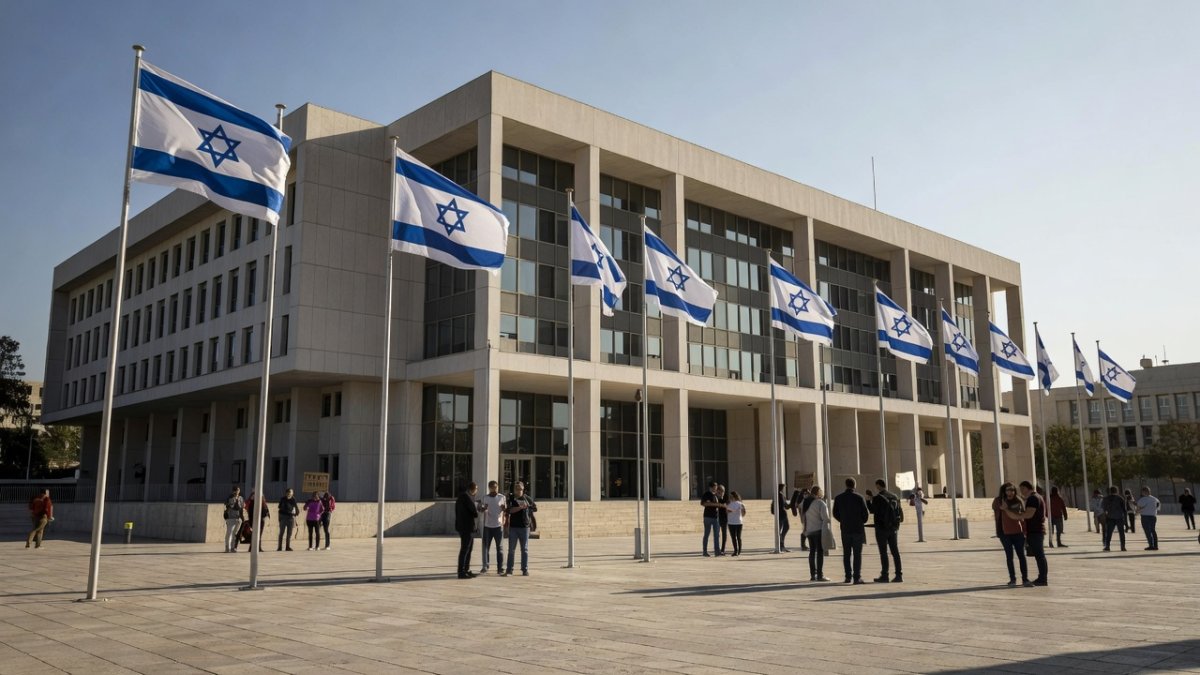
Deal Terms and Immediate Israeli Backlash
The 14-point Geneva Memorandum of Understanding between the United States and Iran, finalized on June 19, 2026, by President Donald Trump and President Masoud Pezeshkian, outlined a structured 60-day interim period mandating comprehensive ceasefires on every front including Lebanon while requiring Iran to freeze all nuclear weapons-related activities at Natanz and Fordow facilities. Under the terms, the Strait of Hormuz reopened to commercial traffic, the US Fifth Fleet lifted its naval blockade, Hezbollah forces began phased withdrawals from positions south of the Litani River, and Washington initiated incremental sanctions relief targeting Iranian oil exports and banking sectors. Global oil prices dropped sharply within hours of the announcement, with Brent crude falling below $68 per barrel, while European Union foreign policy chief Josep Borrell and Pakistani Prime Minister Shehbaz Sharif praised the breakthrough as a diplomatic victory. Prime Minister Benjamin Netanyahu rejected the accord in a televised address from the Prime Minister's Office in Jerusalem, declaring that "Iran will never possess nuclear weapons" and noting that "sometimes Trump and I don't see eye to eye" on core security matters. The Associated Press reported widespread Israeli public anger directed at Netanyahu, with protests erupting outside the Knesset and polls showing his approval rating dropping below 30 percent in the immediate aftermath.
Israeli security officials at the Ministry of Defense in Tel Aviv expressed alarm that the phased sanctions relief could provide Tehran with up to $40 billion in frozen assets within the 60-day window, potentially funding Hezbollah rearmament in the Bekaa Valley. European governments in Brussels and Paris welcomed the Hormuz reopening for energy security reasons but privately urged Israel to exercise restraint, while Pakistan's mediation team led by Foreign Minister Ishaq Dar coordinated backchannel communications between Washington and Tehran. Netanyahu's blunt rejection resonated across Israeli media outlets, amplifying domestic criticism that the prime minister had failed to secure ironclad guarantees against Iranian nuclear breakout during the interim period.
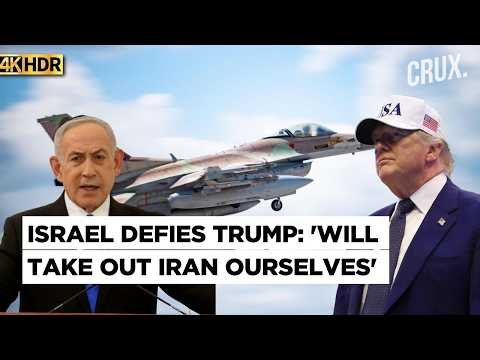
Coalition Crisis and Domestic Politics
National Security Minister Itamar Ben-Gvir and Finance Minister Bezalel Smotrich immediately threatened to withdraw their Otzma Yehudit and Religious Zionism parties from the governing coalition, warning that the Geneva accord represented an existential threat to Israel's security doctrine. Netanyahu now confronts the prospect of autumn elections with a Knesset majority reduced to just two seats following recent defections, forcing him to navigate between far-right demands and operational requirements along the northern border. Prominent Israeli figures spanning the political spectrum, including former Prime Minister Ehud Olmert and opposition leader Yair Lapid, publicly condemned the deal as a "disaster for Israel" during emergency sessions at the Knesset Foreign Affairs and Defense Committee. The Atlantic magazine published an analysis titled "Netanyahu Finally Learns the Truth About Trump," detailing how the prime minister's long-standing alliance with the US president had fractured over the Iran nuclear question. Bloomberg News reported that the Trump Iran deal had sparked unprecedented outrage within Israeli security establishments and triggered a sharp backlash against Netanyahu's leadership from within his own Likud party ranks.
Coalition partners convened emergency meetings at the Knesset building in Jerusalem, where Ben-Gvir demanded immediate legislative action to block any sanctions relief implementation affecting Israeli energy imports. Polling conducted by the Israel Democracy Institute showed Netanyahu's coalition facing potential collapse within weeks if elections were called, with centrist parties gaining ground on promises to restore traditional US-Israel coordination mechanisms. The domestic political fallout extended to municipal leaders in border communities such as Kiryat Shmona and Metula, who issued statements criticizing the prime minister for prioritizing coalition survival over northern security operations.
JD Vance Rebuke and US-Israel Tensions
US Vice President JD Vance, in a New York Times interview published June 18, 2026, stated that "You can't kill your way out" of the Iranian nuclear challenge, directly rebuking Israeli hardliners and warning Ministers Ben-Gvir and Smotrich against attacking "the only powerful ally Israel has left." Vance emphasized that President Trump remained Israel's sole reliable friend in Washington and cautioned that Iran would receive no sanctions relief without a comprehensive final agreement verified by the International Atomic Energy Agency. The Pentagon subsequently began withdrawing approximately 20 percent of US aircraft stationed at Israeli bases including Nevatim and Ramon, signaling a recalibration of joint operational commitments. Israeli defense officials at the Kirya military headquarters in Tel Aviv expressed concern that the reduced US presence could limit rapid response capabilities against Hezbollah rocket barrages from southern Lebanon. Vance's comments circulated widely within Israeli political circles, intensifying debates over whether Netanyahu's rejection of the Geneva framework had further isolated the country from its primary strategic partner.
Diplomatic cables from the US Embassy in Tel Aviv conveyed Washington's frustration with Israeli attempts to derail the interim deal, while American naval assets repositioned in the Eastern Mediterranean to monitor compliance with the Hormuz reopening. Israeli Air Force commanders coordinated with remaining US personnel to maintain joint intelligence sharing on Iranian nuclear sites, yet the aircraft withdrawal raised questions about future munitions resupply during sustained operations in Lebanon. Vance reiterated in follow-up statements that any final accord must include verifiable limits on Iran's ballistic missile program, a condition Tehran has so far resisted in Geneva talks.
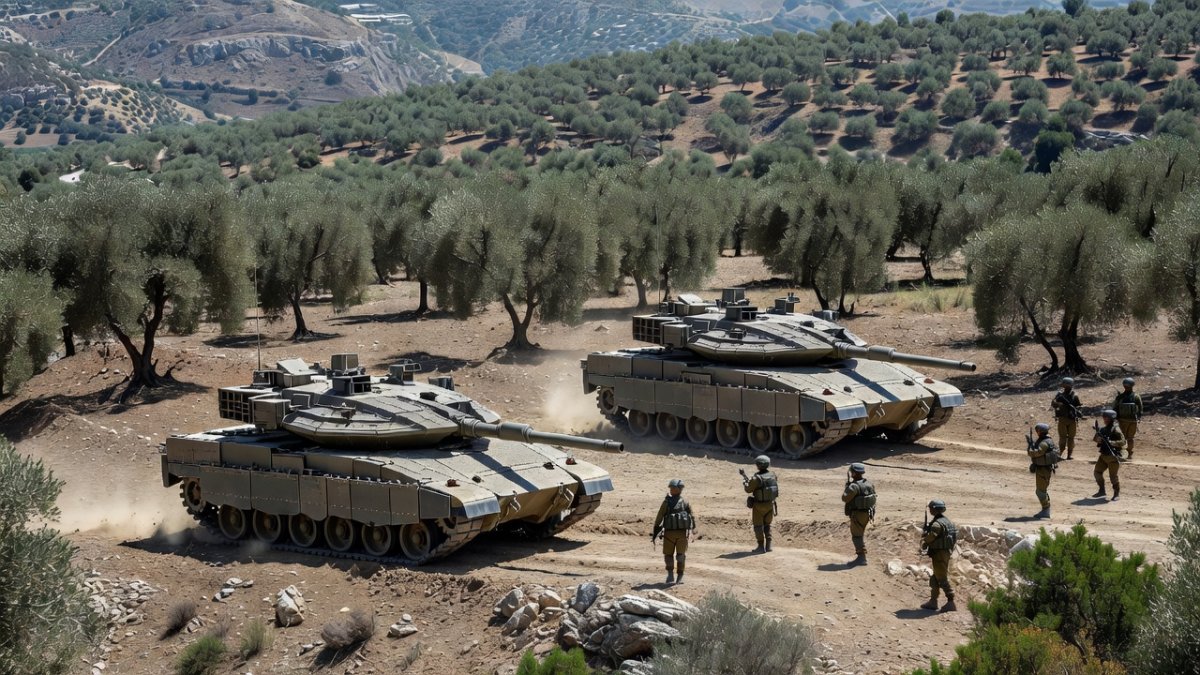
IDF Operations in Southern Lebanon
Prime Minister Netanyahu vowed from his Jerusalem office that IDF forces would remain in southern Lebanon "as long as necessary" to prevent Hezbollah re-infiltration, even as the Geneva ceasefire framework demanded withdrawals. Defense Minister Israel Katz confirmed the expansion of Israel's occupation zone beyond the original buffer area, encompassing additional villages near the Litani River and establishing new forward operating bases. An IDF soldier was killed and seven others wounded when an IED detonated near the village of Markaba in southern Lebanon, prompting retaliatory strikes on Hezbollah positions in the Bekaa Valley. Hezbollah Secretary-General Hassan Nasrallah rejected any ceasefire linked to the US-Iran deal, declaring from Beirut that his fighters would continue operations until Israeli forces fully withdrew. Reuters reported that Israel had demarcated an expanded security zone that directly challenged US diplomatic efforts to implement the Geneva interim arrangements along the northern border.
Israeli military engineers constructed additional fortifications around the expanded zone, incorporating surveillance systems supplied by Elbit Systems based in Haifa. The soldier's death at Markaba triggered nationwide mourning and renewed calls from coalition partners for intensified operations against Hezbollah infrastructure in Tyre and Sidon. IDF Northern Command at Safed coordinated with Shin Bet agents to disrupt smuggling routes that could allow Hezbollah to rearm during the 60-day period, while Lebanese government officials in Beirut protested the expanded occupation as a violation of UN Security Council Resolution 1701.
Regional and Security Implications
Iranian Foreign Minister Abbas Araghchi stated in Tehran that any lasting peace deal hinges on Israel ending its war in Lebanon, linking the Geneva framework directly to Hezbollah's continued presence along the border. Shin Bet and IDF intelligence assessments prepared for the Knesset committee warned that Hezbollah could significantly rearm during the 60-day interim period, potentially acquiring advanced Iranian missiles through Syrian territory despite the ceasefire terms. Israel's two-year campaign against Houthi forces in the Red Sea, involving repeated strikes on ports in Hodeidah and Ras Isa, remained a critical dimension as Iranian-backed proxies threatened renewed attacks on shipping lanes vital to Israeli energy imports. Minister Ben-Gvir compared the struggle against Iran to fighting Nazis during a Likud party meeting in Tel Aviv, invoking historical parallels that drew international criticism. Mossad operatives continued monitoring Iranian nuclear sites at Natanz and Fordow through human intelligence networks, providing real-time assessments to the Israeli cabinet on compliance with the freeze commitments.
Regional security dynamics shifted as Saudi Arabia and the United Arab Emirates expressed private concerns to US officials about the Hormuz reopening potentially empowering Iranian proxies across the Gulf. Israeli energy security faced new vulnerabilities with the Geneva accord's impact on global oil flows, prompting emergency sessions at the Ministry of Energy in Jerusalem to diversify import sources. The Red Sea theater, where the Israeli Navy had conducted sustained operations against Houthi drone boats, now intersected with broader questions of whether the 60-day ceasefire would extend to Yemen-based threats.
Long-Term Diplomatic Fallout
Netanyahu's outright rejection of the Geneva accord left Israel isolated from the US-brokered diplomatic framework, forcing the prime minister to weigh coalition survival against the need for operational continuity along the northern border with Lebanon. The Knesset Foreign Affairs and Defense Committee convened multiple closed-door sessions to evaluate how the reopened Strait of Hormuz could affect Israel's energy security, particularly regarding liquefied natural gas imports from Qatar and other suppliers. Coalition partners demanded legislative guarantees that no sanctions relief would indirectly benefit Hezbollah, while military planners at IDF General Staff headquarters assessed long-term strategies for containing Iranian influence without full US backing. Geneva's impact on Hormuz traffic raised concerns among Israeli shipping companies operating out of Haifa port about potential price volatility and supply disruptions. What comes next for Israel's security strategy remains uncertain as Netanyahu navigates between domestic political pressures and the realities of a shifting US posture toward Iran.
Diplomatic fallout extended to Israel's relations with European capitals, where officials urged restraint while questioning the sustainability of expanded operations in southern Lebanon without American logistical support. The Knesset committee's classified reports highlighted risks that Hezbollah could exploit the 60-day window to reconstitute command structures in Beirut suburbs, necessitating sustained intelligence operations by Mossad and Unit 8200. Long-term planning now focuses on potential unilateral actions to degrade Iranian nuclear infrastructure if the interim deal collapses, a scenario discussed extensively in security cabinet meetings at the Prime Minister's Office.
By Hannah Berg, Staff Writer
This article was produced with AI-assisted research and editorial support. Reporting is based on sources cited in the article.
What's Your Reaction?
 Like
0
Like
0
 Dislike
0
Dislike
0
 Love
0
Love
0
 Funny
0
Funny
0
 Wow
0
Wow
0
 Sad
0
Sad
0
 Angry
0
Angry
0

Israel Correspondent at Global1.News. Based in Tel Aviv, covering Israeli politics, security, technology, and society. Provides balanced, deeply-sourced reporting on one of the most closely-watched regions in the world.










Comments (0)