
Colombia Runoff 2026: Amazon and Indigenous Future at Stake
Colombia stands at a historic crossroads as Indigenous voters in Cauca prepare to cast ballots in the June 21, 2026 presidential runoff. The choice between Iván Cepeda’s environmental continuity and Abelardo de la Espriella’s security-first reversal will determine whether the Amazon’s 483,000 square kilometers remain protected or face accelerated destruction. With Aída Quilcué,
Colombia Runoff 2026: Amazon and Indigenous Future at Stake Bogotá, Colombia — June 19, 2026
Indigenous Voters and the Cauca Front
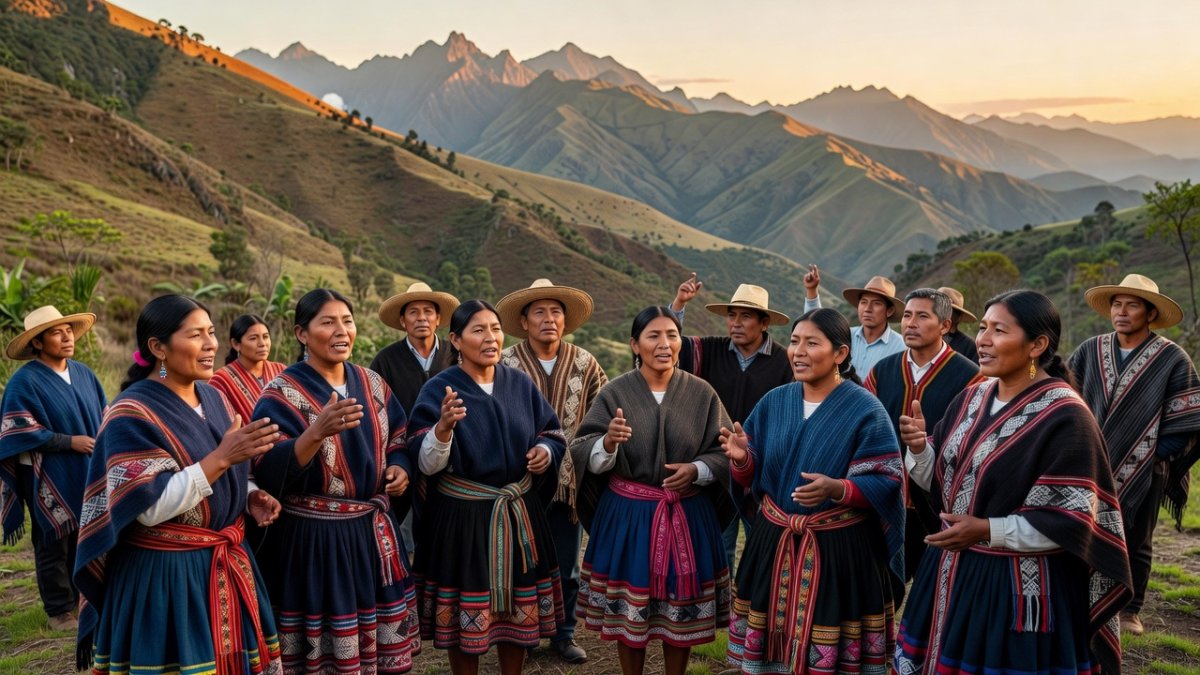
In the misty highlands of Inzá and the rugged territories of Cauca, Nasa communities organized through CRIC are mobilizing with unprecedented urgency ahead of the June 21 runoff. Their support for the Cepeda-Quilcué ticket represents far more than electoral preference; it embodies a collective defense of territory, water, and ancestral governance systems that have withstood centuries of invasion. Aída Quilcué brings decades of human rights advocacy to the vice-presidential slot, her leadership forged in the same CRIC structures that coordinate the Guardia Indígena patrols protecting forests from illegal miners and coca traffickers. These patrols have repeatedly confronted armed groups, yet the cost remains brutal. Milton Cerquera’s assassination in Puracé in mid-June 2026 underscores the lethal risks facing Indigenous environmental defenders. CRIC frames the vote explicitly as a referendum on life itself—health, education, and collective rights—rather than abstract policy. Inter-ethnic tensions with Misak communities in Pitayó add complexity, yet the broader Indigenous electorate sees Quilcué’s candidacy as historic recognition of their role in safeguarding Colombia’s most biodiverse regions. Turnout in Cauca could decide whether the “revolución ambiental” advances or yields to extractive rollback.
Amazon at the Ballot Box
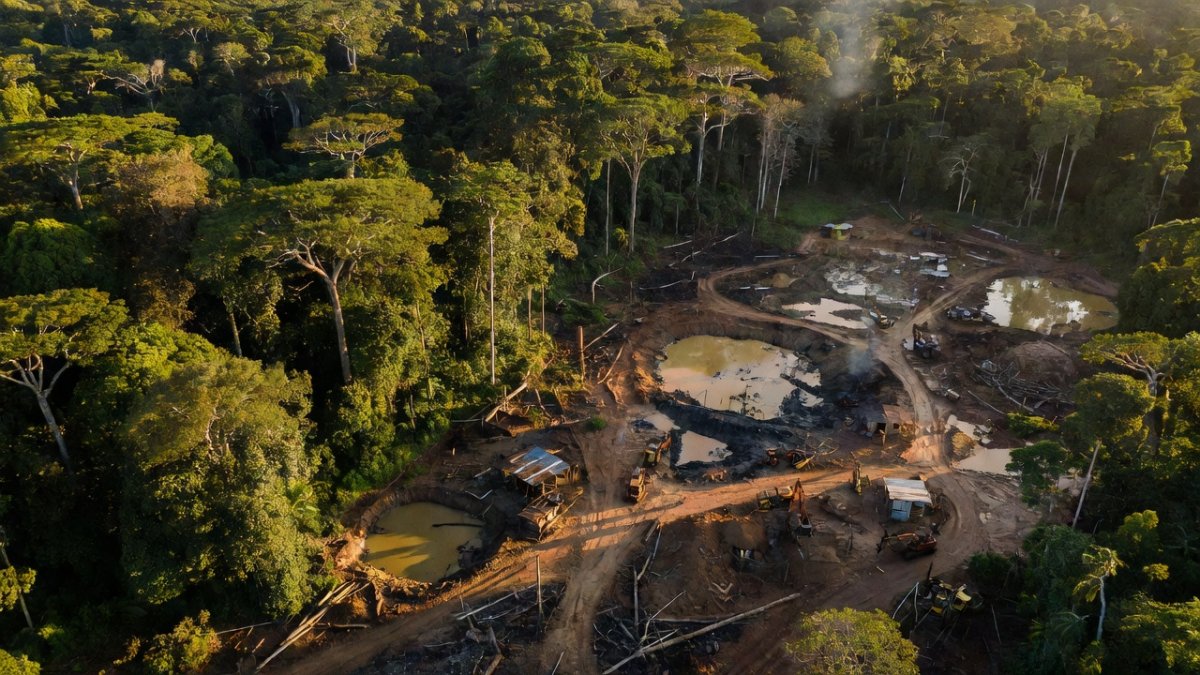
Colombia’s Amazon spans 483,000 square kilometers, covering 42 percent of national territory and anchoring regional climate stability. Yet this vast ecosystem faces relentless pressure, with 350,000 hectares lost in Guaviare alone between 2002 and 2025. Official figures show deforestation dipped modestly from 77,124 hectares in 2024 to 72,409 hectares in 2025, a roughly 6 percent reduction that remains fragile and reversible. Cepeda’s platform centers zero deforestation by 2030 through expanded Amazon reserve designations, community conservation pacts, and payments for ecosystem services under Conservar Paga. These mechanisms have already demonstrated success in slowing forest loss when adequately funded. In contrast, de la Espriella’s security-first approach proposes building prisons inside the Amazon and prioritizing aerial operations that could displace rather than resolve underlying drivers. The stakes extend beyond Colombia: the Amazon functions as a continental carbon sink and rainfall regulator whose tipping point would trigger cascading effects across South America. Indigenous voters in Cauca understand these linkages intimately, having witnessed how local forest loss accelerates regional drought and disrupts traditional livelihoods. The runoff therefore functions as a direct referendum on whether Colombia will lead Latin America toward protection or surrender the biome to short-term extraction.
Coca and Deforestation
Colombia’s coca cultivation reached 253,000 hectares in 2023 according to UNODC data, climbing further to an estimated 261,000 hectares in 2024. This expansion directly fuels deforestation, particularly in frontier zones where armed groups clear forest for new plots. Cepeda advocates strengthening the PNIS substitution program with silvopastoral systems and community pacts that replace cattle ranching and illicit crops with sustainable livelihoods. His running mate Quilcué has long championed these territorial approaches rooted in Indigenous governance. De la Espriella instead promises aerial fumigation across more than 300,000 hectares alongside bombing of coca camps, arguing that security operations will simultaneously curb deforestation. Historical evidence shows fumigation often displaces cultivation deeper into protected areas without reducing overall hectares. The 6 percent deforestation decline recorded in 2025 occurred under continuity policies emphasizing substitution and enforcement against illegal mining rather than blanket chemical spraying. For Nasa communities in Cauca, fumigation threatens water sources and food sovereignty while failing to address the armed actors profiting from the trade. The runoff will decide whether Colombia doubles down on integrated rural development or returns to failed eradication strategies that have repeatedly accelerated forest loss across the Amazon basin.
Fracking and Fossil Fuel Divide
The candidates present starkly opposing visions for Colombia’s energy future. Cepeda’s “revolución ambiental” explicitly rejects fracking, which he describes as “echar gasolina al incendio”—pouring gasoline on the fire of climate crisis. His platform calls for halting new fossil fuel expansion, accelerating renewables, and maintaining the moratorium on fracking pilots. This stance aligns with Indigenous demands to keep hydrocarbons in the ground and protect watersheds feeding the Amazon. De la Espriella supports regulated fracking pilot projects under environmental oversight, framing them as necessary for economic security and energy independence. He pairs this with “ambientalismo productivo y regenerativo,” a concept critics view as greenwashing continued extraction. Colombia’s existing oil and coal infrastructure already contributes to regional emissions; expanding fracking would lock in decades of additional methane and CO2 releases precisely when Latin America needs rapid decarbonization. Cauca’s Indigenous leaders have repeatedly blocked extractive projects through direct action and legal mobilization, viewing fracking as an existential threat to water cycles that sustain both local agriculture and downstream Amazon forests. The June 21 decision will signal whether Colombia joins the growing Latin American movement rejecting new fossil infrastructure or becomes an outlier pursuing extractive intensification.
Violence Against Defenders
Colombia remains the world’s most dangerous country for environmental defenders, with roughly 70 social leaders killed nationally in 2026 alone. The mid-June assassination of Milton Cerquera, a Nasa Indigenous leader and environmentalist in Puracé, Cauca, by EMC FARC dissidents exemplifies the chronic pattern of targeted killings. Impunity rates exceed 90 percent in most cases, allowing armed groups, illegal miners, and coca interests to operate with minimal consequence. Cepeda’s ticket, anchored by Quilcué’s human rights record, prioritizes protection mechanisms, community pacts, and accountability for perpetrators. CRIC has documented how violence intensifies precisely in areas targeted for conservation or substitution programs. De la Espriella’s Bukele-style security agenda emphasizes prisons and military operations but offers little concrete protection for defenders operating outside state structures. Indigenous Guard members in Inzá and surrounding veredas already risk daily confrontation with armed actors; without national policy shifts addressing root causes, killings will continue regardless of prison construction. The runoff therefore carries immediate life-or-death implications for the very communities whose territorial stewardship has achieved the modest 6 percent deforestation reduction recorded in 2025. Continued impunity threatens to erase hard-won gains and accelerate Amazon loss.
Latin America at a Crossroads
Colombia’s runoff occurs amid a broader rightward shift across Latin America, where resource extraction pressures are intensifying from the Andes to the Amazon basin. Neighboring governments have expanded mining and hydrocarbon concessions, often at the expense of Indigenous territories and forest cover. A Cepeda victory would reinforce the bloc of countries pursuing post-extractivist transitions, strengthening regional cooperation on Amazon protection and renewable energy. Conversely, a de la Espriella win would align Colombia with administrations prioritizing security rhetoric to justify expanded extraction, potentially reversing the modest deforestation gains achieved since 2022. The Amazon’s 483,000 square kilometers within Colombia represent a critical buffer against continental tipping points; its fate influences rainfall patterns from Peru to Brazil. Quilcué’s presence on the ticket signals Indigenous leadership at the highest level, a development watched closely by movements from Bolivia to Ecuador. The June 21 outcome will either consolidate Latin America’s emerging climate leadership or accelerate fragmentation under renewed extractive orthodoxy. Cauca’s voters, facing chronic violence yet maintaining territorial resistance, now hold leverage to shape that continental trajectory.
The Bottom Line
The June 21 runoff will determine whether Colombia’s Amazon retains its 42 percent territorial coverage under strengthened reserves and community governance or faces renewed assault through fracking pilots, aerial fumigation, and prison construction inside protected zones. Cepeda’s zero-deforestation target by 2030, backed by Quilcué’s Indigenous leadership and CRIC mobilization, offers continuity for the programs that produced the 2025 reduction to 72,409 hectares lost. De la Espriella’s security-first platform risks displacing coca and mining deeper into forests while expanding fossil infrastructure. With 261,000 hectares under coca cultivation and 70 social leaders killed in 2026, the human and ecological costs of reversal are already measurable. Cauca’s Nasa voters understand these stakes most acutely: their territories have absorbed decades of violence tied to extraction and illicit crops. The outcome will either advance Latin America’s most ambitious Amazon protection agenda or surrender ground to the very forces driving continental forest loss. Colombia’s choice reverberates far beyond its borders, shaping whether the region leads or lags in confronting the climate emergency.
By Elena Vasquez, Staff Writer
This article was produced with AI-assisted research and editorial support. Reporting is based on sources cited in the article.
What's Your Reaction?
 Like
0
Like
0
 Dislike
0
Dislike
0
 Love
0
Love
0
 Funny
0
Funny
0
 Wow
0
Wow
0
 Sad
0
Sad
0
 Angry
0
Angry
0

Latin America Correspondent at Global1.News. Based in Mexico City, covering politics, economics, energy, and culture across the region. Brings an on-the-ground perspective to stories spanning from the Rio Grande to Patagonia.













Comments (0)