
Mexico-US Tensions Escalate as Sheinbaum Defends Sovereignty in June 2026
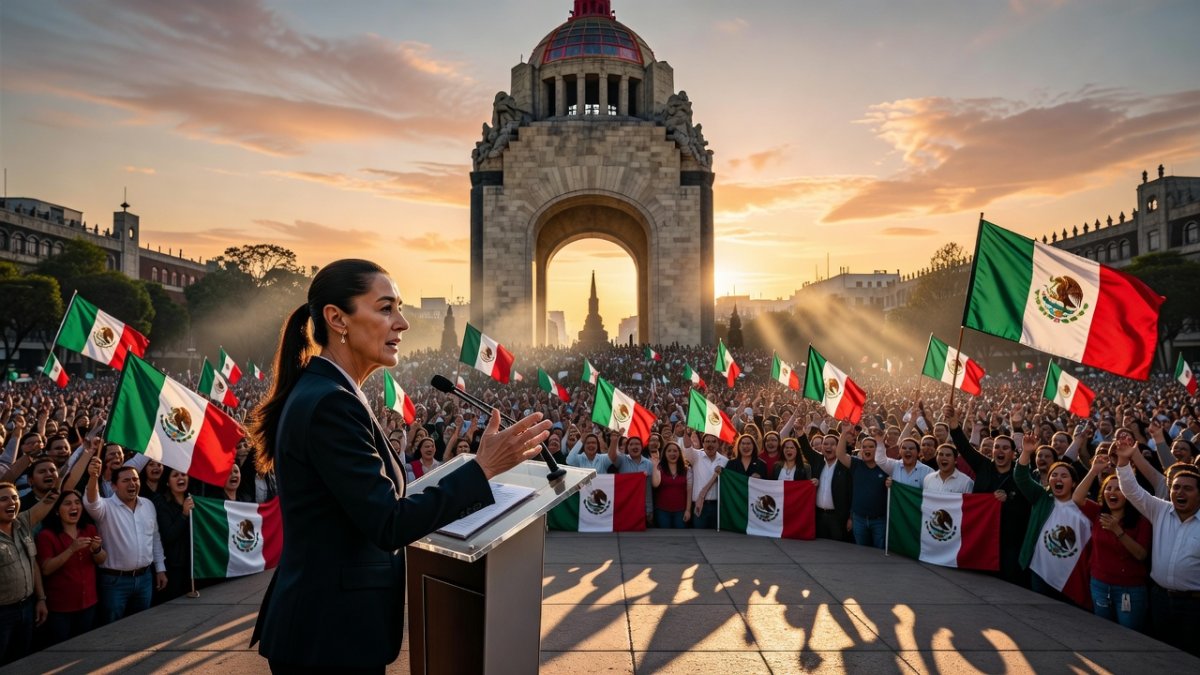
Sheinbaum Declares 'Mexico Is Not Anyone's Piñata' On Sunday, June 1, more than 130,000 supporters gathered at the Monument to the Revolution in Mexico City to hear President Claudia Sheinbaum deliver a direct message on national sovereignty. Her most memorable line, "Mexico is not anyone's piñata," captured the mood of the crowd and quickly spread through social media and fami
Sheinbaum Declares 'Mexico Is Not Anyone's Piñata'
On Sunday, June 1, more than 130,000 supporters gathered at the Monument to the Revolution in Mexico City to hear President Claudia Sheinbaum deliver a direct message on national sovereignty. Her most memorable line, "Mexico is not anyone's piñata," captured the mood of the crowd and quickly spread through social media and family conversations in colonias from Tijuana to Tapachula.
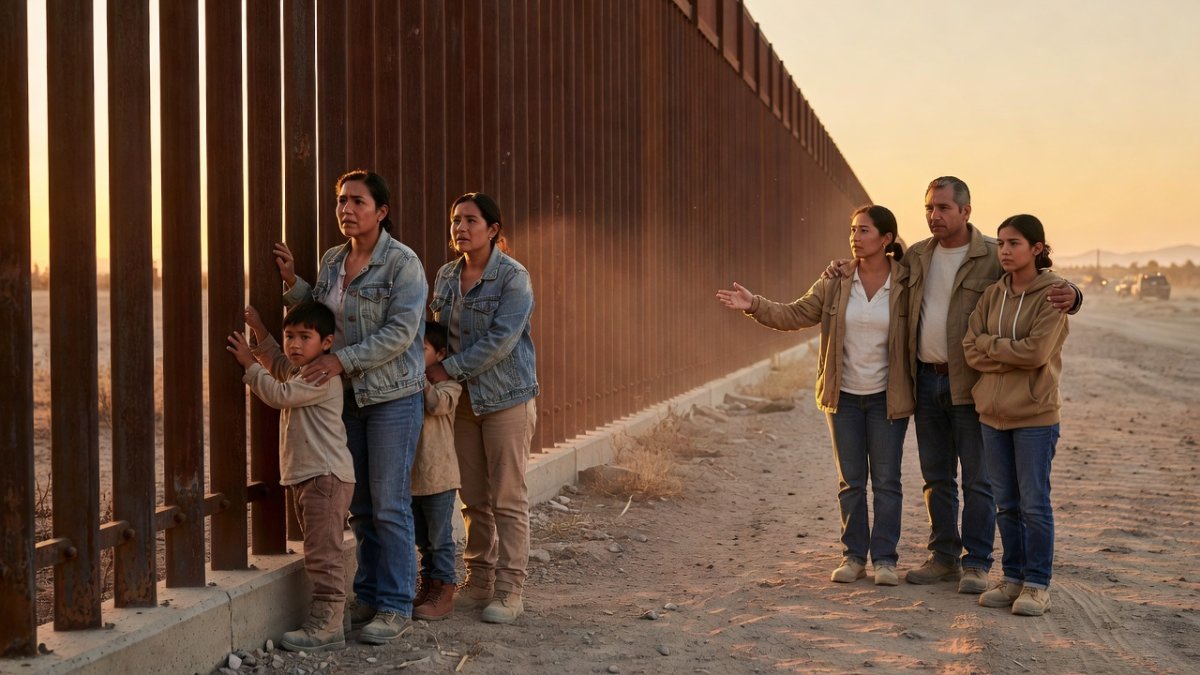
The phrase resonated especially in northern border communities where daily life already feels the weight of bilateral friction. In places like Ciudad Juárez and Nogales, residents recalled past episodes when external pressure led to sudden checkpoints or restricted movement that complicated everything from medical appointments at IMSS clinics to weekend visits with relatives across the line. Sheinbaum’s words framed sovereignty not as a slogan but as a shield for these routines that keep families connected and economies moving.
Sheinbaum denounced the alleged participation of CIA officers in an April 2026 drug raid in Chihuahua that lacked federal authorization. She also addressed a DOJ extradition request targeting Sinaloa Governor Rubén Rocha Moya and nine other officials, filed without public evidence. She described the request as unprecedented in the history of bilateral relations.
Local leaders in Chihuahua noted that unauthorized operations risk undermining trust built over years between state police and federal forces under SEDENA coordination. Community assemblies in the region have begun discussing how to strengthen oversight mechanisms so that future security actions respect both Mexican law and the practical needs of rural ejidos that depend on stable roads and markets.
For families living near the border, these statements resonated deeply. Many in northern colonias worry that unauthorized operations could disrupt daily routines, from school commutes to small business deliveries at local tianguis. The speech framed sovereignty as a practical concern for ordinary people rather than abstract diplomacy.
US Ambassador Warns Against Politicizing Security Cooperation
On Monday, US Ambassador Ronald Johnson posted a public message stating that the fight against cartels should unite both nations rather than divide them. He emphasized that people on both sides of the border want to live safely and in peace, free from intimidation, corruption, and fear. The post implied that sovereignty rhetoric risked politicizing ongoing security cooperation.
Border maquiladora workers in states like Baja California and Coahuila have watched similar exchanges before and understand how quickly diplomatic tension can translate into delayed shipments or canceled overtime shifts. Many families rely on these steady paychecks to cover school supplies and medicine, so the ambassador’s call for unity struck a chord even as it left open questions about how cooperation will actually proceed under heightened scrutiny.
Communities along the border, including maquiladora workers and small business owners who rely on cross-border trade, watched the exchange closely. Many expressed concern that strained relations could affect jobs and family remittances. Johnson's words highlighted shared goals but also underscored the delicate balance between cooperation and national dignity.
Sheinbaum Reinforces Sovereignty at Tuesday's Mañanera
At Tuesday's mañanera on June 3, President Sheinbaum directly addressed Ambassador Johnson. She reminded him that ambassadors should stay out of a host country's internal affairs. She noted that her own ambassadors do not comment on domestic politics in the countries where they are posted.
Teachers and public-sector employees who tune in each morning saw the exchange as a reminder that Mexican institutions must set the terms of engagement. In states far from the capital, such as Chiapas and Guerrero, community radio programs replayed clips of the mañanera so that indigenous groups and ejido assemblies could discuss how foreign officials should interact with local authorities under the framework of the Mexican Constitution.
This exchange drew attention from teachers and public sector workers who follow the daily briefings as part of their civic routine. The mañanera format allows direct communication with citizens, and Sheinbaum's response reinforced the principle that foreign agents must operate within Mexican law. Families in rural areas and indigenous communities saw this as a stand for respect in everyday interactions with international partners.
AMLO Breaks Silence With Five-Page Defense
On Wednesday, June 4, former President Andrés Manuel López Obrador issued his first statement since leaving office. The five-page document, posted on his personal website and titled "My unconditional support for President Claudia Sheinbaum Pardo and a Respectful Reflection on President Donald Trump," accused US officials of running an interventionist campaign to weaken Morena ahead of the 2027 elections.
AMLO’s reference to advisers steering policy toward what he called vile and sinister adventures prompted quiet conversations in state legislatures across Morena strongholds. Lawmakers in places like Michoacán and Veracruz began reviewing how state-federal coordination on security could be strengthened through existing mechanisms such as the National Guard deployments already supported by SEDENA and SEMAR, ensuring that external pressure does not fracture internal unity.
AMLO described today's Trump as different from the leader he negotiated with previously—less personally engaged and more influenced by resentful and fanatical advisers steering policy toward what he called vile and sinister adventures. He called for the return of the other Trump. President Sheinbaum thanked him during Thursday's mañanera.
In ejidos and farming communities, the statement sparked discussions about how political stability affects crop prices and access to government programs through institutions like SEDENA and SEMAR. Campesinos noted that steady bilateral ties help maintain markets for their produce.
US Investigations Target Morena Governors
Reports from the Los Angeles Times indicated that US authorities are investigating Sonora Governor Alfonso Durazo and Tamaulipas Governor Américo Villarreal Anaya over alleged organized crime ties and suspected fuel smuggling. Both governors reportedly had their US visas revoked. President Sheinbaum acknowledged the reports but stated that the governors must answer for themselves.
Residents in Hermosillo and Ciudad Victoria have started asking how any disruptions in state leadership might affect ongoing public works funded through federal partnerships. Local health clinics run by IMSS and ISSSTE, already stretched thin, could face delays in equipment deliveries if cross-border logistics slow down, a concern that has surfaced at recent town-hall meetings organized by municipal councils.
A New York federal judge ruled there was abundant evidence against a former Sinaloa security chief. These developments have prompted conversations in state capitals and border towns about how investigations affect local governance and public trust. Residents in affected regions worry about potential disruptions to state-funded services such as healthcare through IMSS and ISSSTE.
World Cup Festivities and Teachers' Protests Intersect
With the World Cup set to begin next week, the CNTE teachers' union has established a protest encampment in Mexico City's historic center near several match venues. Most participating teachers come from Oaxaca. The timing creates a complex backdrop as the country prepares to host international visitors.
Small vendors who normally set up near the Zócalo have begun mapping alternative routes for their carts so that both protest activities and tourist foot traffic can coexist. In Oaxaca itself, families of striking teachers are coordinating with local unions to ensure that classroom coverage continues for younger students even as the national spotlight turns to Mexico City, showing how one community’s demands ripple outward during a moment of global attention.
Small business owners near the venues, including taquería operators and vendors, are balancing excitement for tourism revenue with the practical effects of the encampment on daily foot traffic. Students and families in the capital are following both the sporting events and the teachers' demands for better working conditions.
What This Means for Ordinary Mexican Families
The week's events touch daily life in concrete ways. Border families monitor news of raids and extradition requests because they influence cross-border movement and local security. Teachers from Oaxaca see their protests intersecting with global attention during the World Cup, highlighting long-standing demands for education funding.
In states such as Nuevo León and Jalisco, parent-teacher associations have started informal surveys to gauge how families feel about the balance between security cooperation and respect for sovereignty. These grassroots conversations often circle back to practical questions: Will remittances continue arriving on time? Will school calendars remain stable? Will local markets keep receiving the produce that ejido farmers bring from the countryside?
In colonias across the country, conversations at family gatherings often turn to how sovereignty rhetoric might protect community autonomy while still allowing practical cooperation on issues like public health and trade. Small business owners hope steady relations will keep supply chains reliable. Rural communities connected to ejidos value predictable policies that support agriculture and local markets.
The Road Ahead for Mexico-US Relations
Regional analysts describe this as the most charged week of Sheinbaum's presidency so far, with her strongest sovereignty rhetoric to date. The central question remains whether US pressure reflects genuine anti-crime priorities or domestic electoral considerations ahead of US midterms.
Looking further ahead, members of the Congreso de la Unión have signaled they may convene special sessions to review bilateral security agreements and ensure that any future cooperation includes clear protocols for Mexican oversight. Community organizations in border states are already preparing position papers that they plan to submit, hoping their voices will help shape policies that safeguard both safety and dignity for the families who live these tensions every day.
Mexican institutions from the Congreso de la Unión to state governments will continue to shape the response. For ordinary citizens, the path forward involves staying informed through mañaneras and local assemblies while advocating for policies that protect both security and dignity. Families, teachers, and business owners across Mexico can engage with their municipal authorities and representatives to ensure community voices remain part of the dialogue.
Tags: Sheinbaum, AMLO, Mexico US relations, Morena, sovereignty, border communities, CNTE, World Cup 2026
By Rosa Martinez, Staff Writer
This article was produced with AI-assisted research and editorial support. Reporting is based on sources cited in the article.
What's Your Reaction?
 Like
0
Like
0
 Dislike
0
Dislike
0
 Love
0
Love
0
 Funny
0
Funny
0
 Wow
0
Wow
0
 Sad
0
Sad
0
 Angry
0
Angry
0
Latin America/Andes Correspondent at Global1.News. Based in Bogota, covering politics, environment, energy, and social movements across the Andean region. Passionate about environmental journalism and communities protecting their land.









Comments (0)