
Wall Street Bloodbath: Nasdaq Plunges 4% as AI Rally Collapses, Fed Rate Hike Fears Return
Breaking: The Worst Day in Over a Year Listen up, America — the markets just got gut-punched and it wasn't pretty. On Friday, June 5, the Nasdaq cratered 4.2 percent, its worst single-day drubbing since April 2025. The S&P 500 dropped 2.6 percent, snapping a ten-week winning streak, while the Dow Jones Industrial Average shed 695 points to close at 50,866. That bloodbath didn't
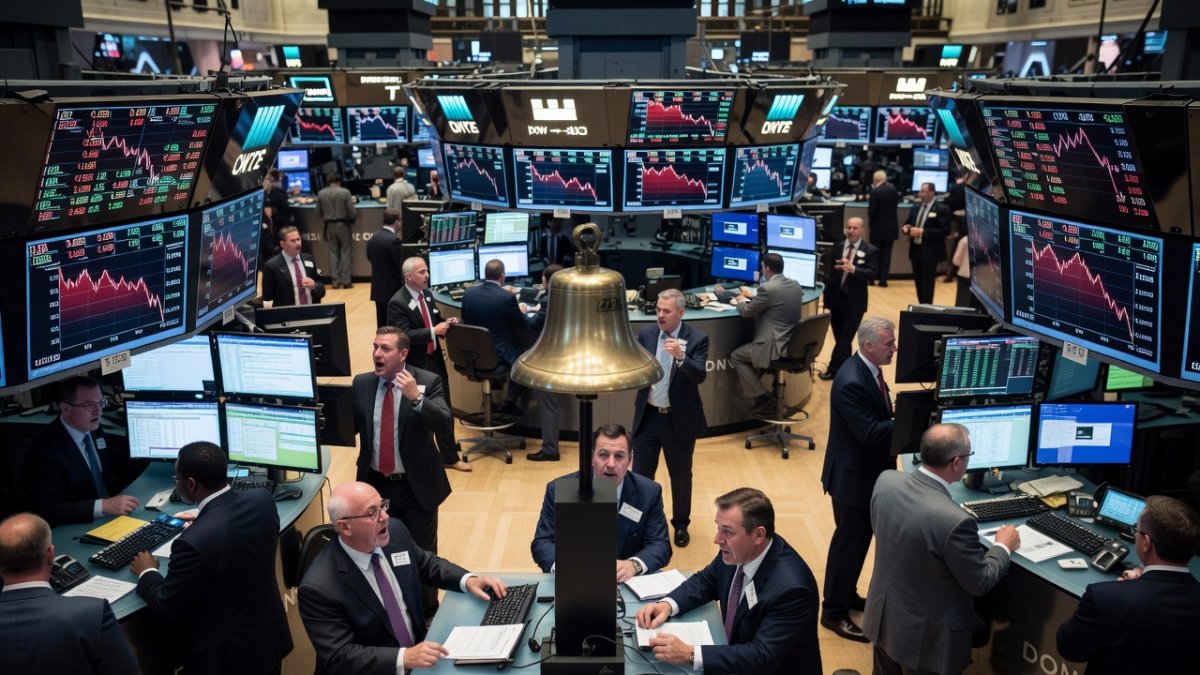
Breaking: The Worst Day in Over a Year
Listen up, America — the markets just got gut-punched and it wasn't pretty. On Friday, June 5, the Nasdaq cratered 4.2 percent, its worst single-day drubbing since April 2025. The S&P 500 dropped 2.6 percent, snapping a ten-week winning streak, while the Dow Jones Industrial Average shed 695 points to close at 50,866. That bloodbath didn't stay on Wall Street. By Monday, June 8, the selling spilled straight into Asia, with South Korea's KOSPI plunging more than 8 percent and triggering circuit breakers. Nvidia and Broadcom took the heaviest hits as investors fled anything tied to the once-unstoppable AI trade.
This wasn't a gentle rotation — it was a stampede. Bond yields surged as the market repriced every assumption about Federal Reserve policy. Neil Dutta of Renaissance Macro called it a "knee-jerk reaction as bond markets reprice," and he's not wrong. Gary Schlossberg at Wells Fargo summed it up bluntly: the economy is simply too strong for the easy-money crowd. For everyday Americans watching 401(k) balances, this means real money vanished in hours. Retirees counting on steady growth just saw their cushions shrink. Young families eyeing home purchases now face higher borrowing costs if yields keep climbing. The message is clear: the party is over until further notice, and Main Street is footing the bill while traders scramble for the exits.
What Caused the Panic?
The trigger was a jobs report that refused to cooperate with Wall Street's wishful thinking. The U.S. added 172,000 jobs in May — twice what economists had penciled in. That number crushed hopes for near-term rate cuts and sent bond yields screaming higher. Traders who had bet heavily on a dovish Fed suddenly faced a reality where the central bank might have to stay tighter for longer. The selloff wasn't just about one data point; it was the market realizing the soft-landing narrative was cracking under its own weight.
Tech stocks, which had led the rally on AI hype, were the first to get torched because they're the most sensitive to higher rates. Nvidia and Broadcom led the decline as algorithms dumped shares without mercy. Overseas, the pain spread fast — Asian markets opened sharply lower on Monday as the tech rout went global. For ordinary Americans, this isn't abstract. Higher yields mean costlier mortgages, car loans, and credit-card balances. Small businesses that rely on floating-rate debt just saw their interest expenses jump. The panic exposed how fragile the "everything is fine" story had become once the data refused to play along. Investors who ignored the warning signs are now paying the price, and the rest of the country gets dragged along for the ride.
The AI Bubble Question
The AI trade just got exposed as the overhyped story it always was for anyone paying attention. Friday's rout wasn't random — it was investors finally questioning whether the massive spending on chips and data centers will ever deliver real profits. Nvidia and Broadcom, the poster children of the rally, got hammered hardest because the market decided the valuations had run too far ahead of earnings. A rotation into defensive sectors followed immediately as money fled growth stocks for anything that can survive higher rates.
This isn't just about one sector; it's about whether the entire AI narrative was built on sand. Companies poured billions into infrastructure with little proof of payback, and now the bill is coming due. For everyday Americans, the fallout is direct. Tech-heavy retirement accounts took a beating. Workers in AI-adjacent industries face hiring freezes if capital spending gets reined in. Consumers who hoped cheaper AI tools would lower costs across the board may wait longer. The bubble question isn't theoretical anymore — it's showing up in portfolio statements and job postings. Wall Street's favorite growth story just hit a wall, and the damage is spreading beyond Silicon Valley.
Middle East Fire Meets Market Fire
While stocks were already on fire, the Middle East added gasoline. Iran and Israel traded strikes over the weekend, pushing oil prices up 2.9 percent to $95.79 a barrel. Hezbollah rejected any ceasefire, and reports indicated Iran had moved to close the Strait of Hormuz, threatening a major chokepoint for global energy. That geopolitical shock landed right on top of the jobs-driven selloff, creating a double-barreled threat to markets.
Higher oil prices feed straight into inflation, giving the Fed even less room to cut rates. Energy costs ripple through everything from gasoline at the pump to the price of goods on store shelves. For American families already squeezed by inflation, this is another gut punch. Commuters will pay more to fill up. Trucking companies will pass along higher diesel costs. Manufacturers reliant on imported components will see margins squeezed. The combination of a hot economy, sticky inflation, and fresh geopolitical risk has traders on edge. This isn't a temporary blip — it's a reminder that markets don't operate in a vacuum. When oil spikes and the Fed stays hawkish, the average household budget takes the hit first and hardest.
What This Means for Your Wallet
This isn't just numbers on a screen — it's your money. A 4.2 percent Nasdaq drop wipes out gains for millions of 401(k) holders who loaded up on tech funds. Higher bond yields translate directly into elevated mortgage rates, making the dream of homeownership more expensive for young families. Credit-card rates, already high, will climb further if the Fed holds the line. Retirees living off fixed-income investments now face a tougher environment as growth stocks falter.
Small-business owners who expanded on cheap money are staring at rising debt-service costs. The rotation out of AI names into defensives signals that the easy gains are gone, and consumers will feel it through slower hiring and cautious corporate spending. Everyday Americans didn't cause this mess, but they're the ones who will absorb the pain through higher borrowing costs, thinner retirement accounts, and pricier energy. The market's tantrum over strong jobs data proves how disconnected Wall Street expectations had become from Main Street reality. Brace for tighter budgets and delayed plans — that's the real cost of this bloodbath.
What Happens Next
The path forward is ugly and uncertain. Markets will keep repricing the odds of rate cuts lower as long as jobs data stays strong and oil prices remain elevated. More downside in tech is likely if AI profitability doubts grow. Global spillovers will intensify as Asian markets digest the rout. Policymakers face a bind: a resilient economy argues against easing, yet higher energy costs and market volatility could force their hand later.
For investors, the message is simple — stop chasing yesterday's winners and prepare for volatility. Everyday Americans should review their debt loads, because higher rates aren't going away soon. Expect continued pressure on growth stocks and a grind higher in defensive areas. The selloff that started on a hot jobs print and Middle East tension isn't finished yet. Trump's take — "Great jobs report… stocks should go up, not down… Growth does not mean inflation!" — highlights the political tension, but markets don't care about rhetoric when yields are surging. The next few weeks will separate those who prepared from those still hoping for the old AI gravy train to return. Stay sharp — this storm has more chapters.
By Jessica Ali, Lead Anchor — Global 1 News
This article was produced with AI-assisted research and editorial support. Reporting is based on sources cited in the article.
What's Your Reaction?
 Like
0
Like
0
 Dislike
0
Dislike
0
 Love
0
Love
0
 Funny
0
Funny
0
 Wow
0
Wow
0
 Sad
0
Sad
0
 Angry
0
Angry
0

Editor-in-Chief at Global1.News. Atlanta-based journalist who cuts through the BS and tells it like it is. Lead anchor, host, and the voice you hear when the spin stops and the truth starts.














Comments (0)