
Bafana Bafana Historic World Cup Knockout Run vs Canada
The roar that erupted across shebeens from Soweto to Durban when Bafana Bafana secured their place in the knockout stage still echoes through every township street. For the first time in history, South Africa have advanced beyond the group phase at a World Cup. The nation that hosted the tournament in 2010 finally has a team that refuses to exit early, setting up a last-32 clas
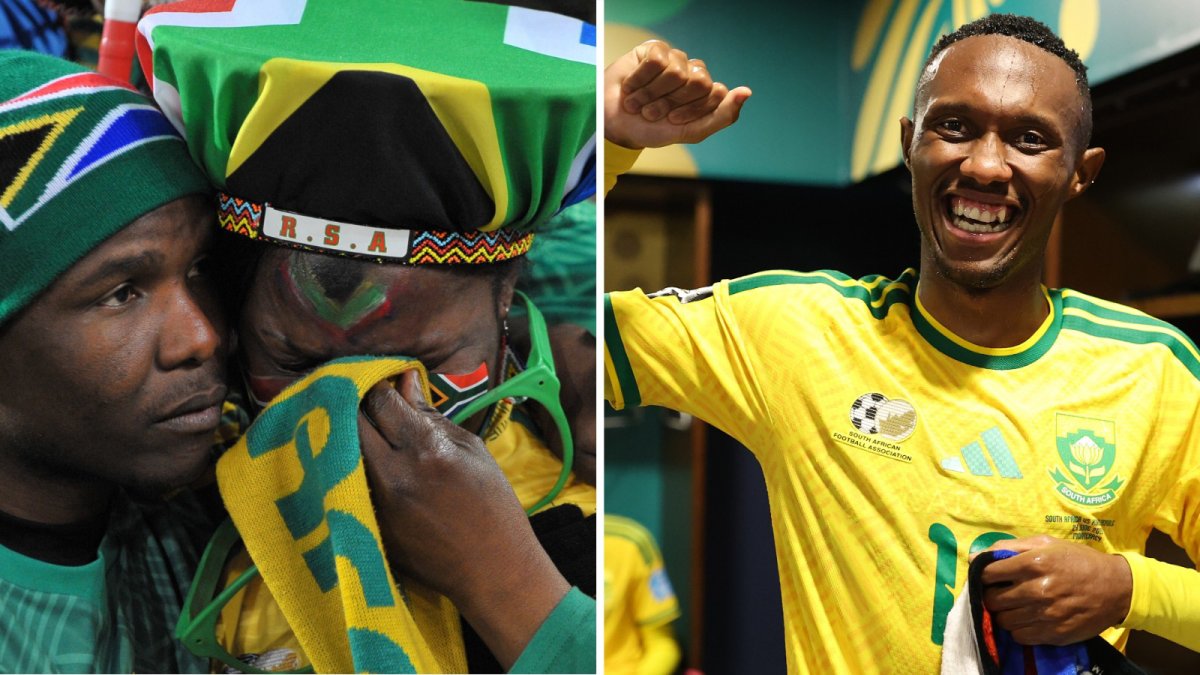
The roar that erupted across shebeens from Soweto to Durban when Bafana Bafana secured their place in the knockout stage still echoes through every township street. For the first time in history, South Africa have advanced beyond the group phase at a World Cup. The nation that hosted the tournament in 2010 finally has a team that refuses to exit early, setting up a last-32 clash with Canada on June 29.
Source: BBC Sport Africa — reporting by Mark Gleeson and BBC Sport Africa staff. Additional context by Global1 News sports desk.
The Historic Breakthrough: Bafana's First Knockout Stage Roar
South Africa have made history by reaching the knockout stage of the World Cup for the first time. This is the first time Bafana Bafana have progressed beyond the World Cup group stage, having also suffered early exits in 1998 and 2002. The achievement carries extra weight because it arrives after years of near-misses and painful absences that left fans wondering whether the class of 2010 would remain an isolated peak.
Across the country, the reaction has been pure electricity. In township football fields where kids still mimic the heroes of yesteryear, the news spread faster than a Springbok counter-attack. Shebeens that normally buzz with club debates fell silent for a moment before erupting into song. This is not just a sporting milestone; it is a cultural reset that reconnects the national team with the people who fill the stands and the streets.
The significance stretches beyond the pitch. South African fan culture thrives on collective pride, and this qualification has given every supporter a fresh reason to believe the beautiful game can once again unite a divided nation. The atmosphere at future qualifiers will carry the same intensity that once defined the 2010 buildup, only this time the hope feels earned rather than borrowed.
Echoes of 2010: Ghosts, False Dawns and Dormant Dreams
When Siphiwe Tshabalala put Bafana Bafana ahead in the opening game against Mexico 16 years ago his strike was famously lauded as a "goal for all of Africa" by one TV commentator. It proved to be a false dawn, with the team eliminated on goal difference despite that 1-1 draw and beating France in their final outing. They became the first World Cup hosts to fail to make it out of their group. That moment still stings for a generation that believed the tournament would launch a golden era.
Cape Town-based sports journalist Mark Gleeson described domestic football as "a little bit dormant" since 2010. "There was much excitement in the build-up to, and obviously around, 2010, but then it all went a little bit dead, combined with an economic downturn," he told the BBC World Service. South Africa finally returned to the World Cup this year, with the national side having also missed out on the Africa Cup of Nations (Afcon) in 2012, 2017 and 2021. The long drought tested the patience of even the most loyal supporters who once packed stadiums with vuvuzelas and hope.
Yet the cultural thread never fully snapped. Township football kept producing talent, and the memory of Tshabalala’s strike remained a rallying point. The current qualification feels like the proper sequel that 2010 promised but could not deliver. Fans now speak of redemption rather than nostalgia, and the energy in local bars carries the same feverish excitement that marked the original World Cup summer.
Hugo Broos' Masterful Rebuild: From Afcon Heartbreak to World Cup Glory
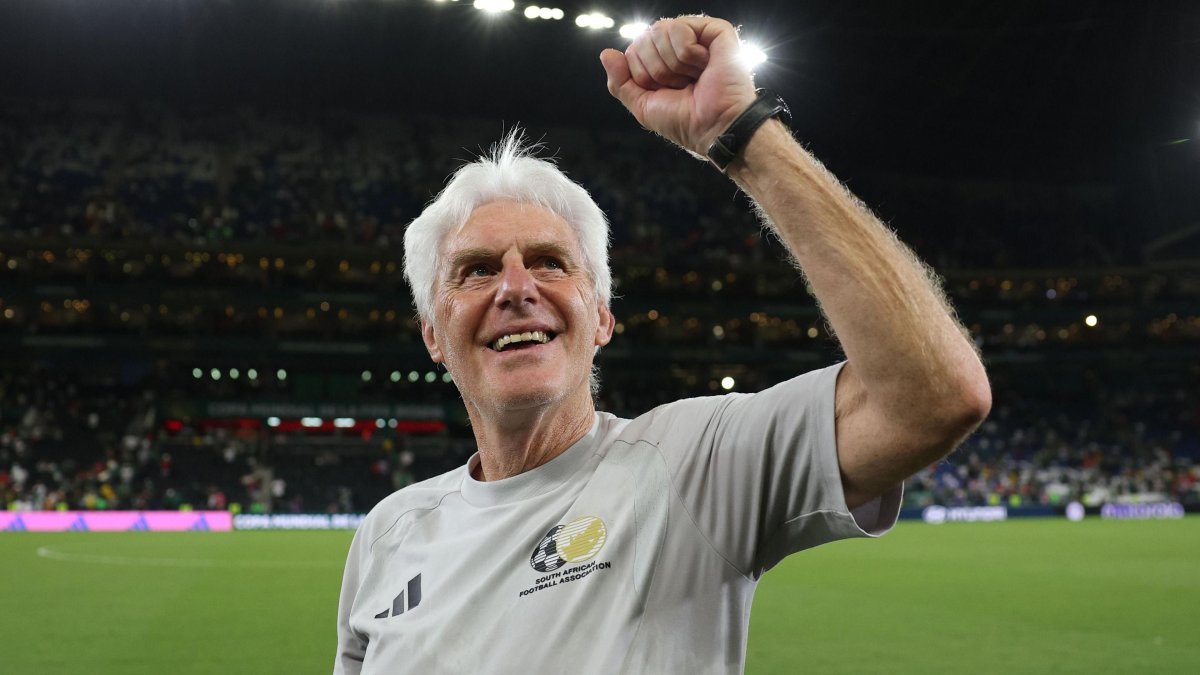
Hugo Broos, 74, had led Cameroon to the continental title in 2017. After the failure to reach Afcon 2021, South Africa sacked Molefi Ntseki and turned to Broos. He rebuilt the squad and guided Bafana Bafana to a third-placed finish at Afcon 2023 before securing qualification for the 2026 World Cup ahead of Nigeria. The Belgian coach brought a calm authority that steadied a squad desperate for direction after years of instability.
He was criticised for his conservative tactical approach in their opener against Mexico which they lost 2-0 after having two men sent off. After coming from behind to draw with Czech Republic and defeating South Korea to claim second spot in Group A, Broos said his team had shut up the "big mouths" who had called for changes. That response revealed the steel beneath his measured exterior and showed how he shields his players from external noise.
Broos has woven a tactical identity that blends defensive discipline with sudden attacking bursts, a style that echoes the counter-attacking flair once seen in township leagues. His willingness to blood young players while maintaining structure has created a unit that feels both modern and rooted in South African resilience. The journey from Afcon disappointment to World Cup last 32 stands as proof that patient rebuilding can still triumph in African football.
Voices of Belief: Ronwen Williams and Dean Furman Speak Out
"He deserves a statue," added captain and goalkeeper Ronwen Williams. "He deserves the highest recognition for the belief he has shown in this team. When our backs are against the wall [and] people don't believe in us, he is always there." Williams’ words capture the emotional core of this squad. His leadership between the posts has become the heartbeat of a side that refuses to fold under pressure.
Former national team captain Dean Furman, one of the players discarded by Broos, backed his decision. "The first thing he did was get rid of the older players of the group and develop a younger team. I never got the chance to work with him, disappointingly. But in hindsight, it was the best decision. What he's done with the team, to go third place in the Afcon, qualify for the World Cup [and] get to the knockouts, I think he's done a phenomenal job." Furman’s honest reflection adds depth to the narrative of renewal.
These voices resonate deeply within South African sporting culture. They remind fans that individual sacrifice often fuels collective success, much like the Springboks have shown in their own eras of transition. The respect shown by discarded players speaks volumes about the culture Broos has created inside the camp.
The Sundowns Synergy: Club and Country Igniting a New Era
Mamelodi Sundowns became African club champions in 2016 and claimed their second continental crown in May after finishing as runners-up last year. The timing of their latest triumph has created a powerful synergy with the national team’s World Cup run. When the country’s biggest club lifts continental silverware, the ripple effect lifts every level of the domestic game.
"The national team qualifying for the World Cup [and] Sundowns winning the African Champions League has been a huge boost for the country," added Gleeson. "Hopefully this is the start of a new era for South Africa, maybe 16 years too late. This is how things should have been in 2010." The alignment between club and country success offers a blueprint for sustained growth that South African football has long craved.
Supporters now see a clearer pathway from township pitches to continental glory and international tournaments. The shared momentum between Sundowns and Bafana has re-energised grassroots structures and given young players tangible dreams to chase. This partnership feels like the foundation of the new era Gleeson described.
Eyes on Canada: Tactical Battles in the Last 32
South Africa face Canada in the last 32 on Monday, June 29, 2026. The match represents the biggest test yet for Broos’ rebuilt side. Fans expect the same defensive organisation that carried the team through the group, combined with the quick transitions that have defined their better performances.
Broos will likely lean on the conservative structure that frustrated critics in the Mexico opener while trusting his goalkeeper and backline to remain compact. The midfield must control tempo and protect against Canada’s wide threats, allowing the forward line moments to exploit spaces on the break. Every tactical adjustment will be scrutinised under the weight of national expectation.
Supporters across the country will gather in shebeens and stadiums to watch history continue unfolding. The atmosphere promises to blend the passion of township football with the pride of a nation finally tasting knockout football. This clash carries the hopes of an entire sporting culture desperate for further progress.
Unity Beyond the Pitch: Protests, Pride and the African Spirit
Anti-migrant protests and violence in South Africa have prompted several other African nations to repatriate some of their citizens. Williams has called on African fans to unite. Furman echoed: "We're always proud of our African counterparts Senegal, Nigeria, Ghana when they've gone on to do incredible things [at the] World Cup. Despite the political unrest in the country I'm hoping that Bafana, on the football pitch, have given the continent a team to be proud of."
The national team’s success offers a rare moment of continental solidarity amid difficult times. Comparisons to the Springboks are inevitable; both teams have shown how sport can bridge divides and restore pride when political tensions run high. Bafana’s presence in the knockout stage gives the broader African football family a focal point for celebration.
At grassroots level, the impact could last generations. Young players in every province now see a direct line from local fields to World Cup knockouts. The transformation of the national team under Broos has already begun reshaping how South Africa views its place in African and global football. This run is about more than results; it is about restoring belief in what the nation can achieve together.
Tags: Bafana Bafana, World Cup 2026, Hugo Broos, Ronwen Williams, Dean Furman, Mark Gleeson, Mamelodi Sundowns
By Dante Williams, Staff Writer
This article was produced with AI-assisted research and editorial support. Reporting is based on sources cited in the article.
What's Your Reaction?
 Like
0
Like
0
 Dislike
0
Dislike
0
 Love
0
Love
0
 Funny
0
Funny
0
 Wow
0
Wow
0
 Sad
0
Sad
0
 Angry
0
Angry
0

West Africa/Sahel Correspondent at Global1.News. Dakar-based journalist covering politics, security, climate, and development across Francophone and Anglophone West Africa. Tells the stories of a region undergoing profound transformation.









Comments (0)