
Mexico Airport Renovations 2026: Billions in Hub Upgrades
**Keywords:** Mexico airports, AICM renovation, Monterrey airport upgrade, Guadalajara Terminal 2, Del Bajio expansion, Puebla airport, GAP airports, World Cup 2026, nearshoring Mexico, Mexican families travel, airport modernization Mexico's Airport Renovation Boom of 2026: Record Upgrades Across the Country Mexico is in the middle of an airport building boom unlike anything th
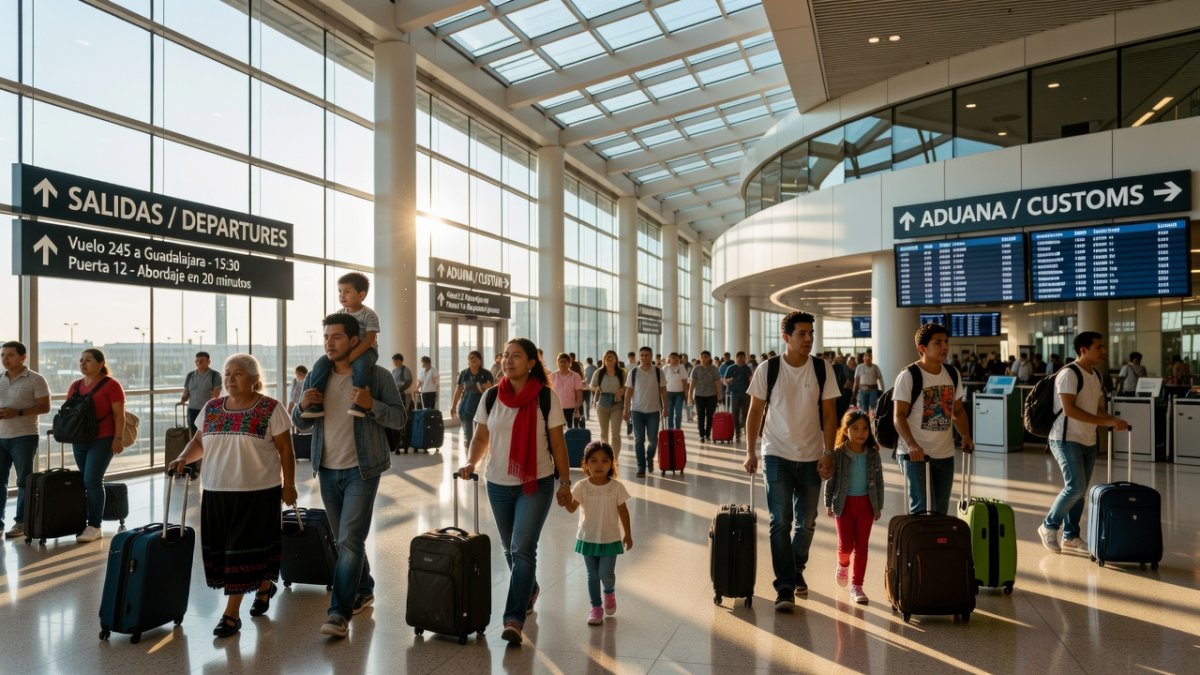
Mexico's Airport Renovation Boom of 2026: Record Upgrades Across the Country
Mexico is in the middle of an airport building boom unlike anything the country has seen in recent memory. The FIFA World Cup accelerated modernization at airports serving host cities including Mexico City, Guadalajara and Monterrey, yet the surge extends well beyond the tournament. Across the country more than a dozen regional hubs are expanding capacity, upgrading terminals and improving connectivity for everyday travelers.
These improvements reach ordinary Mexican families who rely on airports to visit loved ones or seek work opportunities in other regions. When terminals gain better lighting and faster Wi-Fi, parents can keep in touch with children studying abroad while communities gain easier access to medical flights or business trips. The changes create a ripple effect that touches small towns connected by these hubs.
Regional airports play a vital role in linking rural families to urban centers where jobs in manufacturing and services are growing. Upgrades mean shorter waits and smoother journeys for workers who return home on weekends. This boom supports the daily rhythms of Mexican life by making travel more reliable and less stressful for households across the nation.
Officials note that the investments go far beyond host cities and touch places where families have long depended on limited flight options. Enhanced connectivity helps young people pursue education without losing ties to their hometowns. In this way the airport projects strengthen the social fabric that holds communities together.
AICM: A Six-and-a-Half-Billion-Peso Overhaul That Never Closed
Phase one of the 6.5 billion peso renovation at Mexico City International Airport wrapped on schedule. The work delivered new terminal facades, remodeled public halls, upgraded boarding areas and waiting rooms, refreshed restrooms, improved signage, modern electrical and lighting systems and faster Wi-Fi. Later this year AICM could add a third terminal and redesign surrounding streets while operations continued without interruption.
Families in the capital and surrounding states benefit directly because the airport never closed during construction. Parents traveling with children for medical appointments or school events faced fewer disruptions. The refreshed spaces make long layovers more comfortable for grandparents visiting grandchildren in other cities.
Communities near the airport notice cleaner public areas and better lighting that improves safety during evening arrivals. Faster Wi-Fi allows students to study while waiting for flights that connect them to universities nationwide. These practical upgrades ease the daily pressures on households that depend on reliable air travel.
The ongoing work shows how large infrastructure projects can respect the needs of ordinary people. Street redesigns around the terminal will help local vendors and taxi drivers who serve airport users. In this manner the AICM overhaul supports both economic activity and family routines in Mexico City.
Monterrey's 400 Million Dollar Transformation and Nearshoring Connection
The US $400 million transformation of General Mariano Escobedo International Airport in Monterrey merged and modernized Terminals A and C. Governor Samuel Garcia said the investment will be noticeable during the World Cup because of automatic migration services. These changes prepare the facility for increased traffic tied to nearshoring industries.
Families in Nuevo Leon and neighboring states gain from smoother immigration processes when relatives return from work in the United States. Automatic services reduce waiting times so workers can spend more hours with their children instead of standing in lines. The upgraded terminals create a welcoming environment for families reuniting after months apart.
Communities benefit as nearshoring brings new jobs that often require travel between Monterrey and other industrial zones. Better airport facilities support these workers who fly home regularly. The modernization therefore strengthens household stability by easing the movement of people and ideas.
Local businesses near the airport see more customers thanks to improved passenger flow. Families who own small shops or provide transportation services experience steadier income. Governor Garcia's comments highlight how these upgrades serve both international events and the everyday needs of Mexican households.
Guadalajara and the GAP Network: Beyond the World Cup
Guadalajara International Airport is building a new Terminal 2 as part of preparations that extend past the World Cup. The state widened the Guadalajara-Chapala highway with additional lanes, bike paths, sidewalks and lighting. A new Line 5 electric BRT now links the airport to Estadio Akron for easier public transit access.
Families in Jalisco appreciate the improved highway because it shortens drives to the airport when visiting relatives in nearby towns. Bike paths encourage healthier travel options for young people heading to flights. The BRT connection helps students and workers reach the terminal without relying solely on cars.
Grupo Aeroportuario del Pacifico oversees twelve airports including Vallarta, Los Cabos and Tijuana, spreading these benefits across western Mexico. Communities served by these airports gain better links for tourism jobs and family visits. The network approach ensures that upgrades do not remain limited to one city.
Residents notice how the electric BRT reduces traffic congestion around the airport, making daily commutes smoother for airport employees who support their families. These infrastructure ties strengthen community bonds by making travel more accessible and affordable for ordinary households.
Guanajuato's Industrial Ambition: Del Bajio's 2.88 Billion Peso Modernization
Del Bajio International Airport in Silao, Guanajuato, is undergoing a 2.88 billion peso four-year expansion driven by automotive and aerospace manufacturing. The project includes 222 million pesos for expanded gates, larger aprons, improved baggage claim and streamlined immigration. Governor Libia Dennise Garcia called it the most important modernization phase of the last two decades.
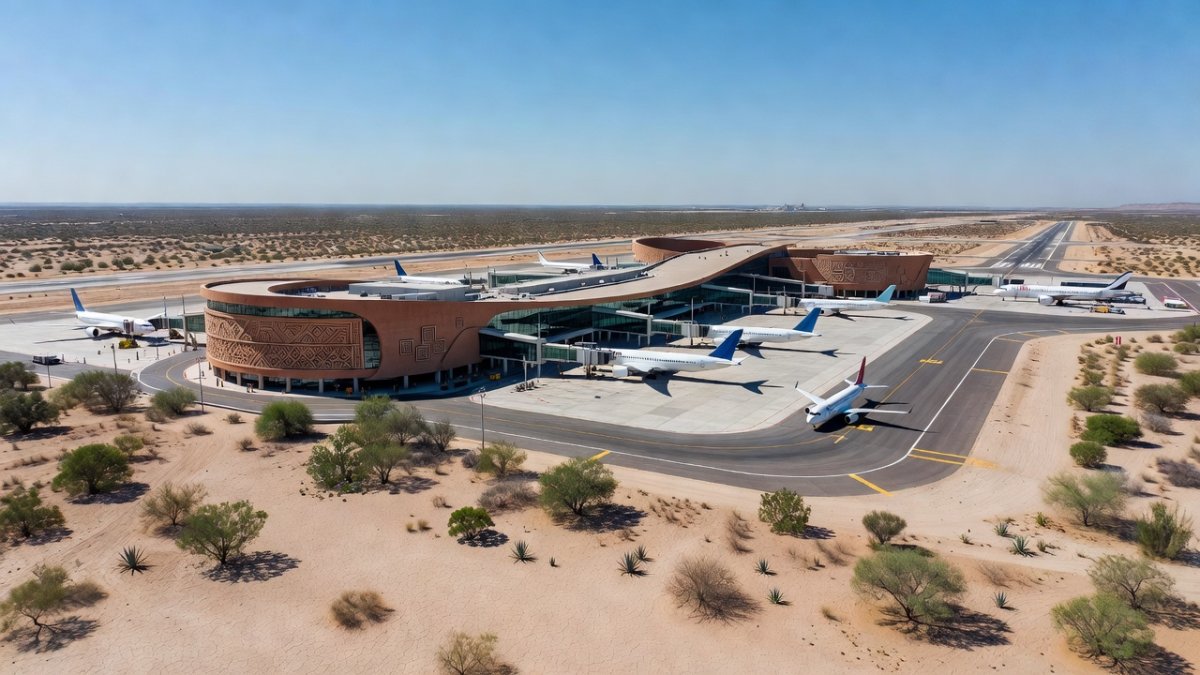
Families in the Bajio region rely on these improvements because many members work in the factories that attract international flights. Streamlined immigration helps workers return home faster after business trips. Expanded gates mean fewer delays for parents traveling with children during school holidays.
Communities around Silao see economic activity increase as the airport handles more cargo and passengers tied to industry. Local vendors and service providers gain customers from the growing passenger numbers. Governor Garcia's description underscores how the project supports both industry and household livelihoods.
The four-year timeline allows families to plan around construction while enjoying gradual improvements in service quality. Better baggage claim areas reduce stress for travelers carrying gifts or supplies back to rural homes. In this way the Del Bajio upgrades connect industrial growth directly to the well-being of Mexican families.
Puebla: A 420 Million Peso Gateway to Central Mexico and China
Puebla International Airport is receiving a 420 million peso upgrade aimed at positioning it as an alternative gateway to Central Mexico. The project supports twelve or more new domestic and international routes including service to China. Sedetra Minister Victor Gabriel Chedraui said the work will reinforce airport infrastructure including runway expansion.
Families in Puebla and surrounding states benefit from new routes that could bring relatives visiting from Asia or allow easier business travel. Runway expansion improves flight reliability so workers miss fewer days with their families. The investment opens doors for young people seeking opportunities tied to international trade.
Communities gain as the airport becomes a hub for cultural exchange and economic links with China. Local artisans and small exporters may find new markets through the added connectivity. Minister Chedraui's remarks highlight the infrastructure focus that directly aids passenger comfort and safety.
Residents notice how the upgrades create jobs during construction and later in airport operations. These positions help households maintain stability while the region grows. The Puebla project therefore serves as a bridge between local families and broader global connections.
What This Means for Mexican Families and Communities
The collective airport upgrades across Mexico touch the daily lives of families who use these facilities for visits, work and education. From the 6.5 billion peso work at AICM to the 420 million peso project in Puebla, each improvement reduces travel friction that once separated loved ones. Communities gain when airports function more smoothly and connect them to opportunities nationwide.
Officials such as Governor Samuel Garcia, Governor Libia Dennise Garcia and Minister Victor Gabriel Chedraui have emphasized how these projects serve both major events and ordinary needs. Families experience the results through shorter lines, better facilities and new routes that make reunions easier. The investments reflect a commitment to infrastructure that respects the rhythms of Mexican household life.
Regional networks like those managed by Grupo Aeroportuario del Pacifico extend benefits to places far from the largest cities. Workers in automotive plants near Del Bajio or artisans in Puebla now enjoy improved access that supports their livelihoods. These changes strengthen community ties by making air travel a reliable part of family planning.
Ultimately the boom creates lasting value for Mexican society by linking people across distances while honoring local realities. As terminals modernize and highways improve, households find new ways to stay connected and pursue dreams without losing their roots. The upgrades stand as a testament to how public investment can nurture both economic progress and the warmth of family life.
By Rosa Martinez, Staff Writer
This article was produced with AI-assisted research and editorial support. Reporting is based on sources cited in the article.
What's Your Reaction?
 Like
0
Like
0
 Dislike
0
Dislike
0
 Love
0
Love
0
 Funny
0
Funny
0
 Wow
0
Wow
0
 Sad
0
Sad
0
 Angry
0
Angry
0

Latin America/Andes Correspondent at Global1.News. Based in Bogota, covering politics, environment, energy, and social movements across the Andean region. Passionate about environmental journalism and communities protecting their land.












Comments (0)