
Meta Presses Contempt Charges Against NSO Group Over Alleged WhatsApp Violations
The New Contempt Filing and What It Alleges Meta announced this week that it intends to file a contempt complaint in a United States court against the Israeli firm NSO Group. The filing centers on allegations that NSO has continued to target WhatsApp users despite a prior court order that explicitly barred such activity. According to the complaint, NSO has conducted a phishing
The New Contempt Filing and What It Alleges
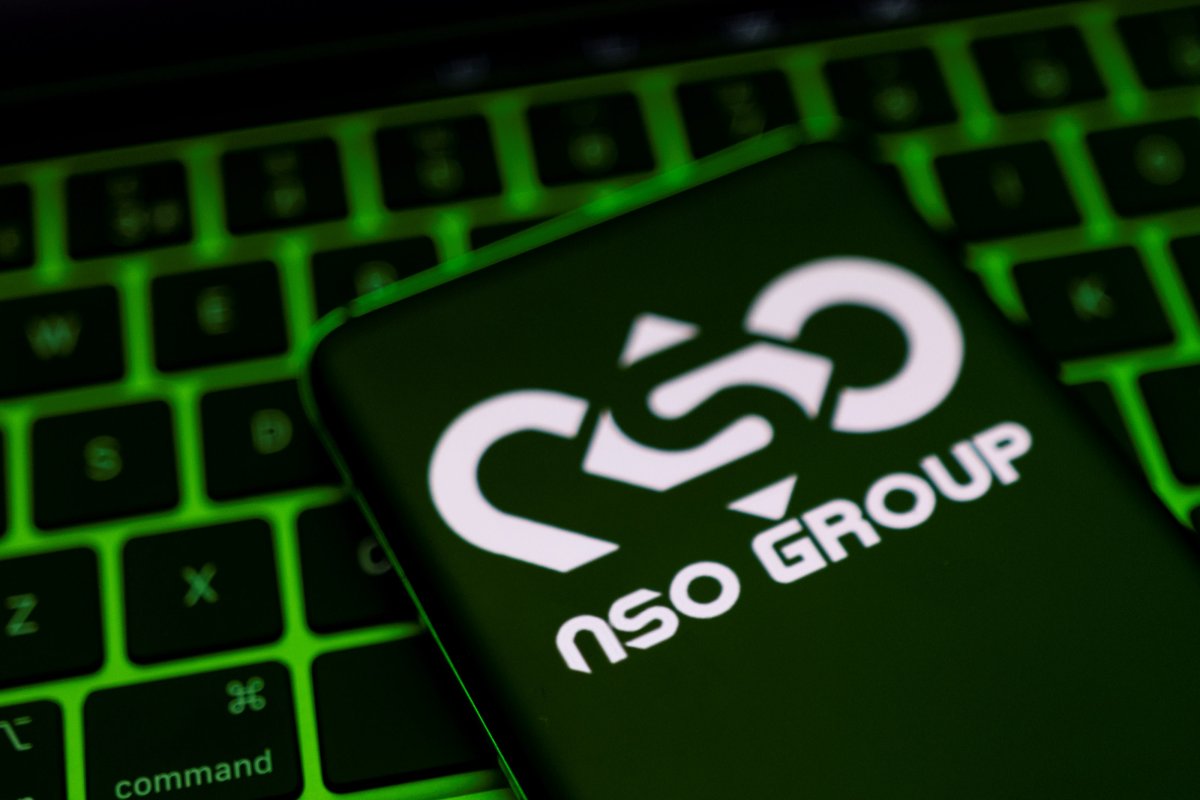
Meta announced this week that it intends to file a contempt complaint in a United States court against the Israeli firm NSO Group. The filing centers on allegations that NSO has continued to target WhatsApp users despite a prior court order that explicitly barred such activity. According to the complaint, NSO has conducted a phishing campaign designed to lure individuals into clicking malicious links that could install surveillance tools on their devices.
The complaint further states that NSO has tested its products directly on WhatsApp accounts and groups. Meta argues that these actions constitute a clear violation of the earlier judicial directive. The company is asking the United States justice system to hold NSO in contempt, a step that could trigger additional sanctions or enforcement measures.
Meta emphasized that users personal messages and calls remain protected through default end-to-end encryption on the platform. This technical safeguard continues to limit the ability of third parties to access content even when other vectors are attempted. The filing reflects ongoing efforts by Meta to defend its infrastructure against repeated attempts at intrusion from commercial surveillance vendors.
Background of the Legal Dispute Since 2019
The current contempt action builds on a case that first surfaced in 2019 when Meta engineers identified an attack linked to NSO. That operation involved the Pegasus spyware and affected more than one thousand WhatsApp users across multiple countries. The discovery prompted Meta to initiate legal proceedings in United States federal court seeking to restrain NSO from further exploitation of the platform.
The six-year legal battle concluded last year when NSO agreed to pay 167 million dollars in damages. As part of the resolution, the United States government placed NSO on its entity list, restricting American companies from doing business with the firm without special licenses. This blacklisting marked a significant escalation in regulatory pressure on the Israeli company.
Throughout the dispute, courts examined evidence of how NSO tools were allegedly deployed against journalists, human rights defenders, and government officials. The 2019 detection of the WhatsApp campaign served as the foundation for the original injunction that NSO is now accused of disregarding. The new filing signals that Meta believes compliance has not been achieved despite the earlier settlement.
NSO's Position and the Israeli Tech Sector Perspective
NSO has long maintained that its products are sold exclusively to government agencies for the purpose of combating terrorism and serious crime. From the perspective of many Israeli technology executives, firms like NSO operate in a narrow space where national security imperatives intersect with commercial innovation. The company is headquartered in Herzliya, a hub for Israels cybersecurity industry that employs thousands of engineers with experience from military intelligence units.
Israeli officials have repeatedly stressed the importance of export controls administered by the Defense Ministry. These controls require case-by-case approval for sales of cyber tools, with particular attention to end-user vetting. Within the sector, there is concern that prolonged litigation in foreign courts could affect the broader reputation of Israeli technology exports even when companies adhere to domestic licensing rules.
At the same time, the episode highlights tensions between commercial surveillance providers and global technology platforms. Israeli firms argue that their tools fill gaps left by state intelligence agencies that lack certain technical capabilities. The debate in Tel Aviv and Jerusalem often centers on how to balance these capabilities with the need to maintain strong diplomatic and commercial ties with the United States.
The Technical Aspects of Pegasus and Zero-Day Exploits
Pegasus is designed to exploit zero-day vulnerabilities in mobile operating systems before patches become available. Once installed, the spyware can extract messages, contacts, location data, and microphone recordings without the users knowledge. The 2019 WhatsApp campaign relied on a vulnerability that allowed malicious links to trigger installation even when users did not fully interact with the message.
Meta engineers described how the attack vector bypassed normal security checks by exploiting weaknesses in the applications handling of certain file types. NSO has been accused of refining these techniques over time, including the use of phishing pages that mimic legitimate services. Such methods require continuous research into unpatched flaws across Android and iOS environments.
Israeli cybersecurity researchers note that zero-day exploits remain a contested domain because they can be used for both defensive and offensive purposes. The technical sophistication involved demands substantial investment, which explains why only a handful of companies worldwide maintain active capabilities in this area. The current contempt filing underscores the difficulty platforms face in permanently closing these attack surfaces.
Implications for US-Israel Relations and Israeli Export Controls
The contempt complaint arrives at a moment when United States and Israeli officials are already coordinating closely on regional security matters. Washington has historically viewed Israels technology sector as a strategic asset, yet the blacklisting of NSO last year demonstrated that commercial activities can trigger regulatory consequences when they conflict with American platform policies. Israeli diplomats in Washington have worked to clarify the distinction between licensed government use and unauthorized targeting.
Israels export control regime, overseen by the Ministry of Defense, requires companies to obtain permits before selling cyber tools abroad. Recent adjustments to these procedures have aimed to address concerns raised by the United States and European partners. The NSO case has prompted additional internal reviews in Jerusalem about how to monitor compliance after sales are approved.
Analysts in both capitals suggest that the legal friction could influence future licensing decisions and joint research initiatives. Israeli officials continue to emphasize that strong bilateral intelligence cooperation remains intact despite the commercial dispute. The episode illustrates how private-sector litigation can intersect with state-to-state technology policy.
The Broader Middle East Cybersecurity Landscape
Across the Middle East, state and non-state actors have invested heavily in surveillance and counter-surveillance capabilities. Countries such as Iran and Hezbollah maintain their own cyber units that target Israeli infrastructure and diaspora communities. In this environment, Israeli firms have positioned themselves as providers of tools that help governments monitor threats emanating from Gaza, Lebanon, and the West Bank.
Regional dynamics also include competition among Gulf states that have acquired similar technologies. The presence of multiple vendors has created a marketplace where legal boundaries are frequently tested. Israeli companies operate under tighter domestic oversight than some competitors, yet they still face accusations of misuse by end clients.
Daily life in Israel reflects these tensions, with citizens and journalists aware that their devices may be targeted during periods of heightened conflict. The NSO litigation therefore resonates beyond corporate boardrooms and touches on questions of privacy that affect communities from Tel Aviv to the settlements in the West Bank.
What This Means Going Forward
The contempt filing is expected to trigger further court proceedings that could extend into the coming months. Meta will likely present additional technical evidence of continued activity, while NSO may argue that any testing occurred within permitted parameters or involved different products. The outcome could set precedents for how injunctions against surveillance vendors are enforced across jurisdictions.
Israeli policymakers are watching the case for signals about future United States export policy and potential secondary sanctions. Technology companies in Herzliya and Beersheba are already adjusting compliance teams and seeking clearer guidance from the Defense Ministry. The episode may accelerate efforts to diversify product lines away from platforms that have proven legally challenging.
Ultimately, the dispute underscores the evolving relationship between global technology platforms and national security firms based in Israel. As encryption standards improve and legal scrutiny intensifies, both sides will need to adapt their approaches to maintain operational effectiveness while respecting court orders. The coming period will test whether existing frameworks can accommodate these competing priorities.
By Hannah Berg, Staff WriterThis article was produced with AI-assisted research and editorial support. Reporting is based on sources cited in the article.
What's Your Reaction?
 Like
0
Like
0
 Dislike
0
Dislike
0
 Love
0
Love
0
 Funny
0
Funny
0
 Wow
0
Wow
0
 Sad
0
Sad
0
 Angry
0
Angry
0

Israel Correspondent at Global1.News. Based in Tel Aviv, covering Israeli politics, security, technology, and society. Provides balanced, deeply-sourced reporting on one of the most closely-watched regions in the world.















Comments (0)