
Will Iran Sacrifice Anything for Survival? Tehran's Nuclear Calculus as US Deal Nears Signing
The June 2026 US-Iran Agreement Announcement President Trump declared on June 13, 2026, that a US-Iran agreement is scheduled to get signed on June 14. The proposed 60-day memorandum of understanding would extend the existing ceasefire and launch formal nuclear negotiations. This development follows 101 days of Strait of Hormuz closure that severely disrupted global energy supp
The June 2026 US-Iran Agreement Announcement
President Trump declared on June 13, 2026, that a US-Iran agreement is scheduled to get signed on June 14. The proposed 60-day memorandum of understanding would extend the existing ceasefire and launch formal nuclear negotiations. This development follows 101 days of Strait of Hormuz closure that severely disrupted global energy supplies.
Iran's foreign ministry immediately signaled that a deal remains unlikely on Sunday, injecting confusion into the timeline. The core terms include Iran delivering 400 kg of enriched uranium up to 60 percent purity to the United States while retaining only one operational nuclear facility. Sanctions relief on oil sales and international banking forms a central incentive for Tehran.
Regional actors have watched these developments closely because the agreement also addresses ballistic missile program talks and restrictions on support for armed groups including Hezbollah, Ansar Allah, and Iraqi militias. Oman played a pivotal mediation role in the indirect talks that produced this framework.
Tehran's Nuclear Red Lines Under Pressure
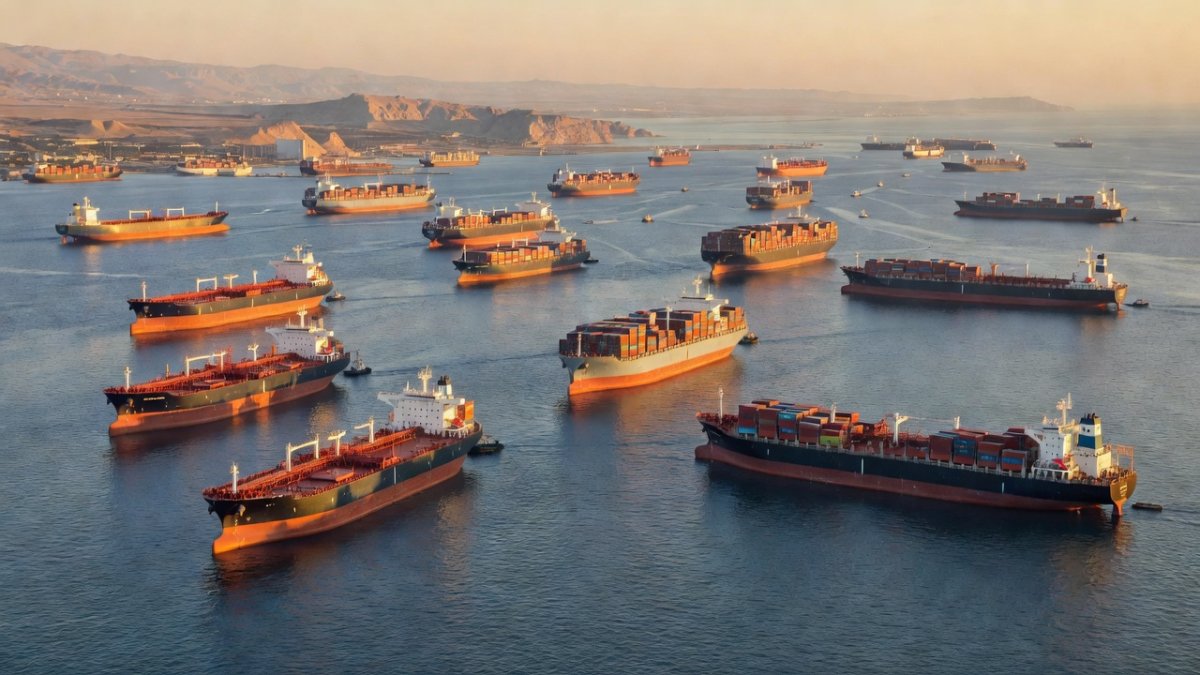
Supreme Leader Khamenei has consistently maintained that enriched uranium must remain inside Iran as a fundamental red line. The proposed transfer of 400 kg of material up to 60 percent purity directly challenges this position and tests whether survival imperatives can override ideological commitments. Iranian officials have historically framed any uranium export as unacceptable capitulation.
The requirement to maintain only one operational nuclear facility further narrows Tehran's options. This limitation would dismantle much of the infrastructure built over the past decade across multiple sites. Strategic calculus in Tehran now weighs the value of preserving a minimal nuclear deterrent against the immediate need for sanctions relief to stabilize the domestic economy.
Confirmed reports indicate that inflation and unemployment have reached critical levels under existing sanctions. Iranian leadership must decide whether partial nuclear concessions can deliver enough economic breathing room to prevent internal instability from escalating further.
Economic Survival and Sanctions Relief Calculations
Iran's economy has contracted sharply during the 101-day Strait closure, with oil export revenues plummeting and domestic prices soaring. The proposed sanctions relief on oil sales and international banking access represents the most tangible short-term benefit in the 60-day MOU. Tehran views this relief as essential to preventing further currency devaluation and social unrest.
Officials in Tehran recognize that prolonged isolation has weakened their negotiating position over time. The decision to engage in indirect talks mediated by Oman reflects a pragmatic assessment that economic collapse poses a greater threat than controlled nuclear concessions. This calculus prioritizes regime stability above maximalist nuclear ambitions.
Concrete figures from recent months show unemployment rates climbing above 20 percent in major cities while inflation exceeds 40 percent annually. These pressures have forced Iranian decision-makers to consider whether limited uranium transfers and facility reductions can unlock sufficient relief to stabilize the rial and restore basic economic functions.
Reopening the Strait of Hormuz and Energy Market Impact
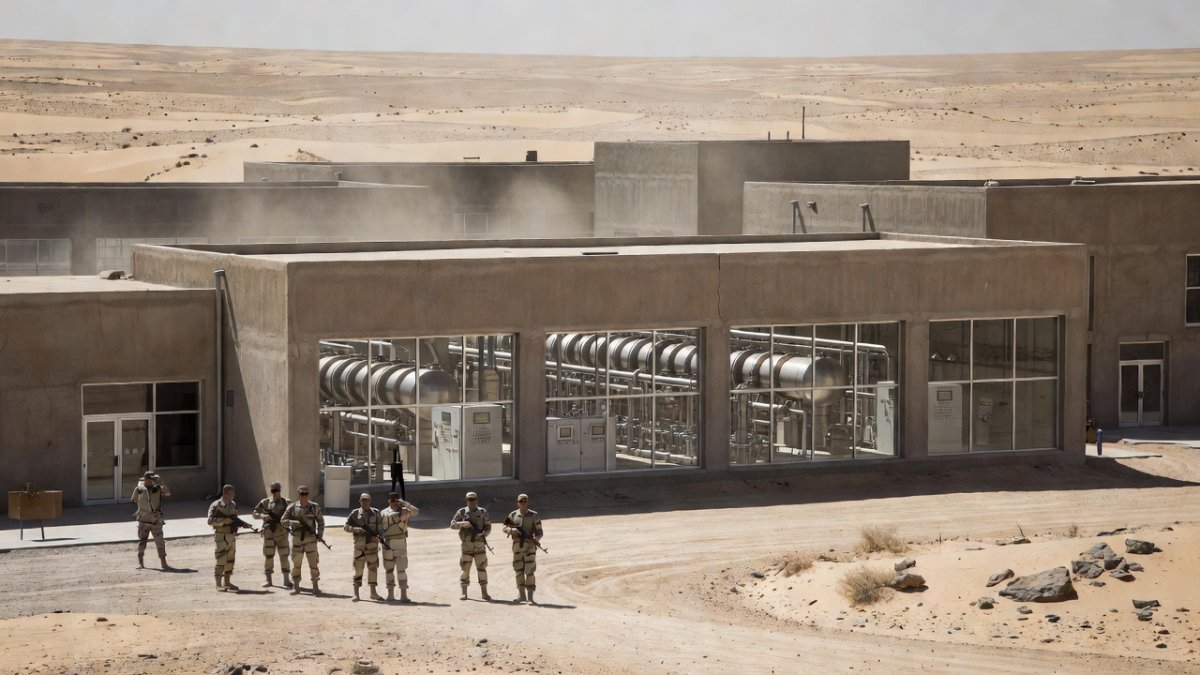
The immediate reopening of the Strait of Hormuz to all vessels upon signing would end the 101-day disruption that caused oil prices to spike dramatically. Gulf states including Saudi Arabia, the UAE, and Qatar suffered significant revenue losses during the closure period. Reopening the waterway would restore normal tanker traffic and ease pressure on global energy markets.
Iran has used the Strait closure as leverage throughout the crisis, demonstrating its ability to disrupt critical energy routes. The agreement's requirement for immediate reopening signals Tehran's willingness to relinquish this tool in exchange for sanctions relief. This trade-off highlights how economic survival concerns have overtaken tactical advantages in the current environment.
Energy analysts note that sustained closure beyond 101 days would have triggered deeper global supply shortages. Iran's agreement to reopen the Strait therefore serves both its own economic interests and broader regional stability goals, though it simultaneously reduces one of Tehran's most effective pressure points against Gulf rivals.
Constraints on Proxy Networks Across the Region
The proposed restrictions on support for armed groups such as Hezbollah in Lebanon, Ansar Allah in Yemen, and Iraqi militias represent another major concession area. These networks have formed the backbone of Iran's regional influence strategy for decades. Limiting material and financial support would significantly degrade Tehran's ability to project power through proxies.
Lebanon, Yemen, Iraq, and Syria have all hosted Iranian-backed operations that advanced Tehran's strategic objectives. The 60-day MOU framework would require Tehran to scale back these activities in exchange for sanctions relief. Iranian leadership must calculate whether preserving these networks justifies continued economic isolation or whether survival demands temporary restraint.
Dr. Elie Al Hindy has described the MOU as a very limited agreement that does not address the full scope of Iran's regional activities. This assessment suggests Tehran may seek to maintain core proxy relationships while offering symbolic reductions to secure the deal. The long-term durability of any such constraints remains uncertain given Iran's history of using proxies to circumvent direct confrontation.
Gulf States' Strategic Responses and Oman Mediation
Saudi Arabia, the UAE, and Qatar have endured direct economic damage from the Strait closure and now face uncertainty over whether the agreement will genuinely constrain Iranian behavior. These states have coordinated closely with the United States throughout the crisis and will monitor compliance with proxy restrictions and nuclear limits. Their strategic calculus centers on preventing Iran from regaining economic strength without meaningful behavioral change.
Oman's role as mediator proved decisive in facilitating indirect talks between Washington and Tehran. The Sultanate's neutral position allowed both sides to explore terms without immediate public commitments. Omani officials have emphasized that the 60-day MOU serves as a starting point rather than a comprehensive settlement.
Regional dynamics suggest that Gulf states will demand rigorous verification mechanisms before accepting the agreement's benefits for Iran. Any perceived weakness in enforcement could prompt these countries to pursue independent security arrangements that further isolate Tehran over the longer term.
Israel's Monitoring of the Nuclear Dimension
Israel has maintained close surveillance of the nuclear aspects of the proposed agreement, particularly the retention of one operational facility and the transfer of 400 kg of enriched uranium. Israeli officials have expressed concern that even limited concessions could allow Iran to preserve breakout capacity. The ballistic missile program talks included in the MOU also raise alarms in Jerusalem regarding future threats.
Israeli strategic assessments emphasize that Iran has historically used negotiations to buy time for advancing its nuclear capabilities. The requirement for Iran to maintain only one facility represents progress from Israel's perspective, yet verification remains the critical variable. Any agreement must include robust monitoring to prevent covert activities at undeclared sites.
Jerusalem continues to coordinate with Washington on implementation details while preparing contingency options should the deal fail to constrain Iran's nuclear trajectory. The 60-day timeline provides a narrow window for assessing whether Tehran intends genuine compliance or tactical delay.
Expert Assessments of Tehran's Long Game
Dr. Elie Al Hindy has characterized the MOU as a very limited agreement that reflects Tehran's immediate survival priorities rather than a fundamental shift in strategy. His analysis highlights how economic pressures have compelled Iranian leaders to accept terms they previously rejected outright. The focus remains on securing sanctions relief while preserving core elements of the nuclear program and proxy infrastructure.
Adolfo Franco has stated that Iran only understands strength and is playing the long game despite current concessions. This perspective suggests Tehran views the 60-day MOU as a temporary measure to stabilize its economy before resuming more assertive policies. Iranian officials have demonstrated willingness to accept short-term limitations when regime survival is at stake.
Both experts agree that the agreement tests whether Iran will sacrifice meaningful capabilities for economic relief. The coming weeks will reveal whether the calculus in Tehran prioritizes immediate survival or maintains long-term ambitions across nuclear, missile, and regional domains. Confirmed developments through June 14, 2026, will determine if this limited framework can hold.
By Malik Hassan, Staff WriterThis article was produced with AI-assisted research and editorial support. Reporting is based on sources cited in the article.
What's Your Reaction?
 Like
0
Like
0
 Dislike
0
Dislike
0
 Love
0
Love
0
 Funny
0
Funny
0
 Wow
0
Wow
0
 Sad
0
Sad
0
 Angry
0
Angry
0
Middle East Correspondent at Global1.News. Based in Beirut, covering politics, conflict, energy, and society across the Middle East. Brings context and depth to a region often reduced to headlines.













Comments (0)