
Meji Alabi: From Beyoncé Videos to Nigeria Civil War Doc
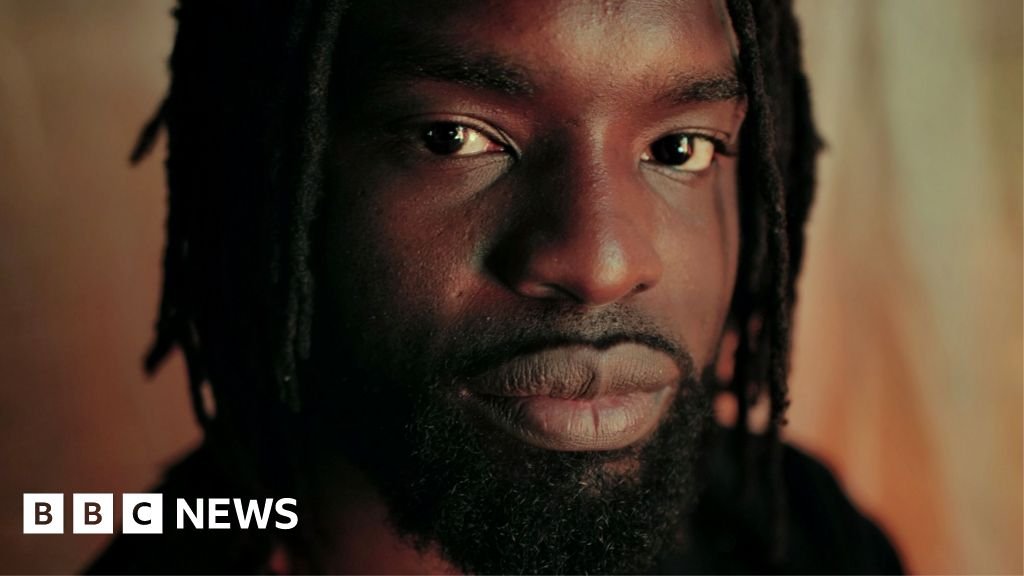
Meji Alabi Steps Beyond Music Videos to Confront Nigeria's Civil War Meji Alabi, the 37-year-old director born in London to Nigerian parents, has built a career shaping visuals for artists such as Beyoncé, Burna Boy, Davido and Stormzy. His Grammy win came from co-directing the video for Beyoncé's "Brown Skin Girl". Now he has turned his lens toward a subject long treated with
Meji Alabi Steps Beyond Music Videos to Confront Nigeria's Civil War
Meji Alabi, the 37-year-old director born in London to Nigerian parents, has built a career shaping visuals for artists such as Beyoncé, Burna Boy, Davido and Stormzy. His Grammy win came from co-directing the video for Beyoncé's "Brown Skin Girl". Now he has turned his lens toward a subject long treated with caution across West Africa. Working with his uncle Leke Alabi-Isama, 44, Alabi co-directed the BBC Africa Eye documentary "Surviving Biafra: Voices from the Nigerian Civil War". The film draws on previously unseen frontline footage and survivor accounts from the 1967-1970 conflict that claimed between 500,000 and three million lives.
A Family Legacy on the Federal Side
The project carries personal weight. Leke Alabi-Isama's father, Godwin Alabi-Isama, served as chief of staff to Brigadier Benjamin Adekunle in the federal army's 3 Marine Commando division. Meji therefore approaches the story through a grandfather who fought on the side accused of executing civilians during the war. Leke grew up with 23 siblings, and the two men have spoken about the difficulty of discussing events their elders rarely addressed openly. Their Lagos-based company, PriorGold Pictures, supported the production that pairs Meji's visual experience with Leke's family knowledge.
Recovering Stories Long Whispered
Meji and Leke have explained that the Biafran war remained a topic people whispered about rather than confronted directly. The documentary includes interviews with Igbo historians and draws on expertise from the BBC Igbo service. It also features former female soldiers who fought on opposite sides and records the testimony of aid worker and former BBC correspondent Martin Bell, who criticises the international response at the time. Ghanaian composer Ray Michael Djan Jr, known for work on the Black Panther: Wakanda Forever soundtrack, composed the score. These elements combine to present voices that official narratives often sidelined.
The War's Lasting Humanitarian Shadow
The 1967-1970 conflict marked the first televised humanitarian disaster, with images of starving children reaching living rooms worldwide. The federal blockade of Biafra contributed to widespread famine. The 3 Marine Commando division faced allegations of war crimes, including the execution of civilians. While the Nigerian government has stated that the documentary may remind citizens how far the country has come and the value of dialogue and reconciliation, the film does not shy away from these painful chapters. For many families across Nigeria, the events still shape conversations about belonging and trust between regions.
Education and the Gaps in National Memory
Formal teaching of the civil war was absent from Nigerian school curricula for more than a decade until its reintroduction in September 2025. This absence left younger generations to piece together stories from family conversations or scattered media. The documentary arrives at a moment when renewed curriculum attention may encourage classrooms to examine the period more fully. Similar silences around difficult histories appear in other African countries where post-independence conflicts receive limited classroom time, leaving artists and filmmakers to fill the space.
A New Generation's Approach to African Storytelling
Across the continent, younger creatives increasingly use film and music to examine events their parents' generation often left unspoken. Meji Alabi's move from music videos to documentary work reflects this shift. By pairing his international profile with Leke's personal stake, the project brings resources and visibility to a story rooted in one family's experience yet relevant to broader questions of reconciliation. In Senegal, where memories of regional conflicts and colonial legacies also surface in literature and oral histories, such efforts resonate with ongoing efforts to document the past without waiting for official permission.
Reconciliation Through Shared Testimony
The inclusion of voices from both sides of the conflict, alongside commentary from international observers, offers viewers a chance to consider how external powers and internal decisions shaped outcomes. Martin Bell's reflections on the global response sit alongside accounts from Nigerian participants. This layered approach avoids simple blame and instead highlights the human cost. For communities still affected by questions of resource distribution and regional identity, the film provides material for discussion rather than closure.
Looking Forward from Lagos and Beyond
PriorGold Pictures' involvement signals a growing capacity among African production houses to handle complex historical subjects with international partners such as BBC Africa Eye. Meji and Leke have noted their desire to address the topic head-on rather than leave it to future generations. As Nigeria continues to navigate questions of unity and development, the documentary contributes one record among many that younger Africans are assembling. Its release invites audiences from Dakar to Lagos to consider how personal and national stories intersect when long-silenced histories finally receive sustained attention.
By Amara Diop, Staff WriterThis article was produced with AI-assisted research and editorial support. Reporting is based on sources cited in the article.
What's Your Reaction?
 Like
0
Like
0
 Dislike
0
Dislike
0
 Love
0
Love
0
 Funny
0
Funny
0
 Wow
0
Wow
0
 Sad
0
Sad
0
 Angry
0
Angry
0
West Africa/Sahel Correspondent at Global1.News. Dakar-based journalist covering politics, security, climate, and development across Francophone and Anglophone West Africa. Tells the stories of a region undergoing profound transformation.












Comments (0)