
Marcos Secures Release of 24 Detained Filipinos in Russia
Marcos Secures Release of 24 Detained Filipinos in Russia President Ferdinand Marcos Jr. brought a sense of relief to many Filipino families when he announced on June 19 that Russia would deport 24 Filipinos who had been held for nine months. Speaking to reporters in Kazan after his bilateral meeting with President Vladimir Putin, Marcos shared that the detainees could be relea
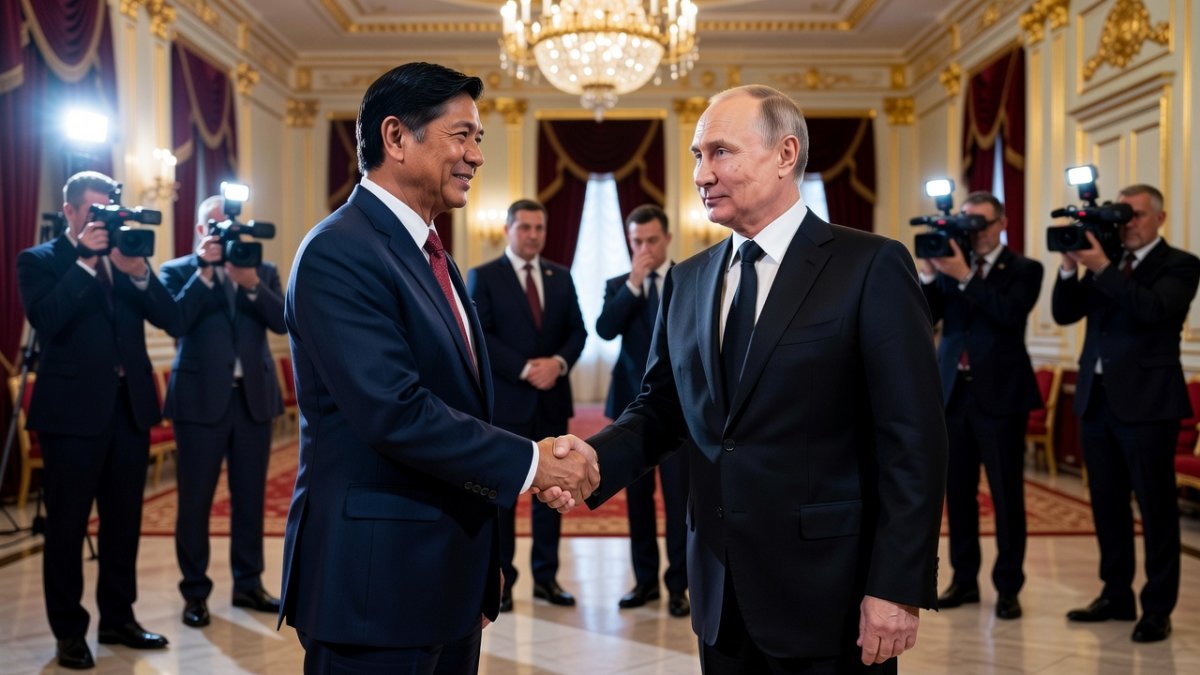
Marcos Secures Release of 24 Detained Filipinos in Russia
President Ferdinand Marcos Jr. brought a sense of relief to many Filipino families when he announced on June 19 that Russia would deport 24 Filipinos who had been held for nine months. Speaking to reporters in Kazan after his bilateral meeting with President Vladimir Putin, Marcos shared that the detainees could be released as soon as the following day. He emphasized that the group would be home by 5 p.m., returning to their loved ones in the Philippines.
The president explained that he had raised the matter directly during his talks with Putin. Initially, Putin was unaware of the case, but once informed, he questioned why the Filipinos remained in custody without formal charges. Marcos noted that Putin gave his assurance over dinner that the situation would be resolved promptly, leading to the authorization for deportation and repatriation.
In a Facebook statement following the meeting, Marcos expressed gratitude to both Putin and the Russian Federation. He highlighted their cooperation in reaching a positive outcome for the 24 individuals. This personal intervention during the two-day working visit, which included ASEAN engagements, underscored the president's commitment to protecting Filipinos abroad.
The news spread quickly among overseas Filipino worker communities, reminding everyone of the power of direct diplomacy in addressing long-standing concerns. Marcos' approach in Kazan showed how leaders can cut through bureaucratic delays when they prioritize the welfare of their citizens.
The Everyday Realities of Overseas Filipino Workers
Overseas Filipino workers form the backbone of many households across the Philippines, sending remittances that support education, healthcare, and local economies. The 24 individuals detained in Russia represent just a fraction of the millions who leave home each year seeking better opportunities. Their nine-month detention highlights the vulnerabilities that can arise when legal processes move slowly in foreign lands.
These workers often take on roles in various sectors, from construction to services, far from the comfort of family and familiar surroundings. When issues like detention occur without clear charges, the impact ripples through entire communities back home. Marcos' decision to raise their case personally with Putin reflects an understanding of how deeply these situations affect ordinary Filipino lives.
The scheduled deportation by 5 p.m. the next day offers a concrete timeline that families can hold onto. It demonstrates that even after months of uncertainty, resolution remains possible through sustained diplomatic effort. This case also serves as a reminder of the need for stronger support systems for workers who find themselves in similar predicaments abroad.
Community organizations in the Philippines frequently organize around such stories, providing emotional and practical assistance to affected families. The focus remains on ensuring that no Filipino worker feels forgotten when challenges arise in distant countries.

Families United Once More Through Diplomatic Resolve
Behind every detained worker stands a family waiting anxiously for news, managing daily life without the steady support that remittances provide. The nine months of detention created prolonged hardship for these households, from covering basic expenses to dealing with emotional strain. Marcos' update on June 19 brought renewed hope that reunions would soon take place.
Children who have grown accustomed to video calls and delayed plans can now look forward to having their parents or siblings home. Spouses who have shouldered extra responsibilities will finally share the load again. This human dimension drives the urgency behind every diplomatic conversation, turning abstract negotiations into stories of real people returning to their communities.
The assurance from Putin, conveyed after dinner discussions in Kazan, translated into actionable steps for release. Families across the Philippines can now begin preparations for the arrivals, organizing welcome gatherings that celebrate both the workers' resilience and the success of bilateral cooperation.
Such moments reinforce the cultural value placed on family unity in Philippine society. The return of these 24 individuals will strengthen not just individual households but the broader social fabric that relies on the safe return of those who work overseas.
Philippine Diplomacy at Work During the Kazan Visit
Marcos arrived in Kazan on June 17 for a focused two-day working visit that balanced ASEAN meetings with important bilateral talks. Raising the detention case during these discussions showed a deliberate strategy of addressing citizen concerns at the highest levels. The initial lack of awareness on Putin's part gave way to quick action once the details were presented.
This approach reflects the Philippines' tradition of active diplomacy that prioritizes people-centered outcomes. By engaging directly rather than through lengthy channels alone, Marcos secured a clear path forward for the 24 Filipinos. The dinner conversation proved pivotal, turning an overlooked issue into a resolved matter within a short timeframe.
Analysis of such engagements reveals how personal rapport between leaders can accelerate solutions. The Facebook statement of thanks further cemented the positive tone of the interaction, signaling mutual respect between the two nations. This method of diplomacy aligns with the community's expectation that leaders advocate vigorously for Filipinos wherever they may be.
Officials in Manila will likely review the process to identify ways to prevent similar extended detentions in the future. The success in Kazan provides a model for handling comparable cases with other partners through timely and direct communication.
Building Stronger Philippines-Russia Relations
The resolution of the detention case opens doors for enhanced cooperation between the Philippines and Russia. Marcos' visit to Kazan, combining ASEAN engagements with one-on-one talks, laid groundwork for continued dialogue on multiple fronts. The positive handling of this matter demonstrates that both countries can address sensitive issues constructively.
Putin's assurance and subsequent authorization for deportation by 5 p.m. the following day illustrate a willingness to respond to concerns raised at the leadership level. This outcome strengthens trust and sets a precedent for future interactions. Philippine communities view such developments as steps toward more reliable protections for workers in Russian territories.
Cultural and economic exchanges stand to benefit from this improved atmosphere. Families who receive their loved ones back will share stories that humanize the relationship between the two nations. Over time, these personal connections contribute to broader goodwill that supports trade, education, and tourism initiatives.
Observers note that consistent follow-through on promises like the one made in Kazan helps sustain momentum in bilateral ties. The Philippines continues to seek partnerships that safeguard its citizens while fostering mutual growth and understanding.
Hope and Community Support for Returning Workers
As the 24 Filipinos prepare for their journey home, community networks in the Philippines stand ready to assist with reintegration. Local groups often provide counseling, job placement help, and family mediation to ease the transition after months away. This collective effort embodies the bayanihan spirit that defines Filipino responses to challenges.
The timeline set for release by 5 p.m. allows families to plan meaningful welcomes that honor the workers' endurance. Stories of resilience will circulate in barangays, inspiring others who face their own uncertainties abroad. Marcos' public acknowledgment of the situation keeps the focus on accountability and care.
Longer-term lessons from this episode may influence how the government prepares workers before they depart and monitors their welfare overseas. The involvement of the highest office in resolving the case sends a clear message that no Filipino is overlooked.
Ultimately, the return of these individuals reinforces faith in diplomacy that places people first. As they step off planes and into the arms of waiting families, the warmth of community embrace will mark the true success of the efforts begun in Kazan.
By Bella Reyes, Staff WriterThis article was produced with AI-assisted research and editorial support. Reporting is based on sources cited in the article.
What's Your Reaction?
 Like
0
Like
0
 Dislike
0
Dislike
0
 Love
0
Love
0
 Funny
0
Funny
0
 Wow
0
Wow
0
 Sad
0
Sad
0
 Angry
0
Angry
0

Philippines/Southeast Asia Correspondent at Global1.News. Manila-based journalist covering Philippine politics, environment, maritime security, and social issues. Passionate about marine conservation and the communities protecting the Philippines' natural heritage.














Comments (0)