
Shinkansen Supreme Class: Luxury Cabins Debut October 2026
Supreme Class: Japan's New Premium Shinkansen Offering JR Central (JR Tokai) and JR West announced on June 17, 2026, the introduction of Supreme Class luxury private compartments on the Tokaido and Sanyo Shinkansen. Positioned above the existing Green Car, these compartments represent the first private accommodations on the Tokaido Shinkansen in 23 years. The service will opera
Supreme Class: Japan's New Premium Shinkansen Offering
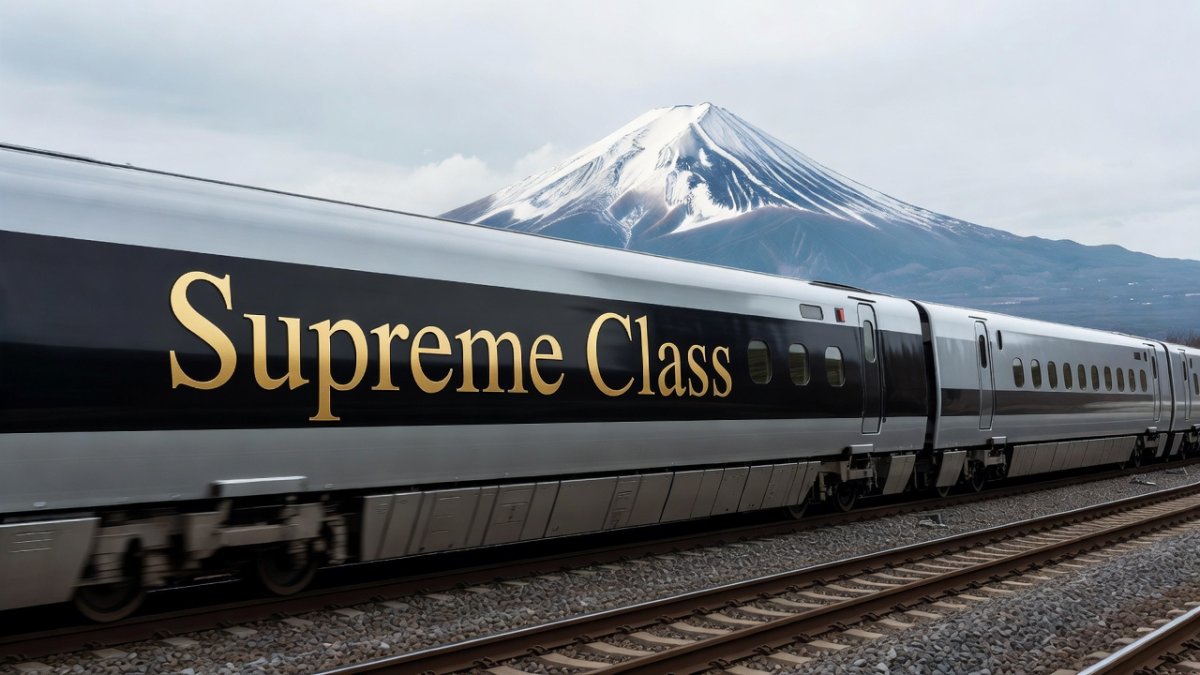
JR Central (JR Tokai) and JR West announced on June 17, 2026, the introduction of Supreme Class luxury private compartments on the Tokaido and Sanyo Shinkansen. Positioned above the existing Green Car, these compartments represent the first private accommodations on the Tokaido Shinkansen in 23 years. The service will operate on Nozomi, Hikari, and Kodama trains between Tokyo and Hakata, utilizing N700S rolling stock with dedicated two-person cabins in Car 7 and single-person cabins in Car 10.
Corporate Japan continues to refine its high-speed rail offerings in line with evolving traveler expectations following the COVID-19 pandemic. JR Tokai President Shunsuke Niwa stated: "Since the COVID-19 pandemic, travelers' needs have diversified. We aim to respond to the demand for privacy, allowing passengers to relax without concern for others around them." This initiative aligns with broader national strategies, including the Digital Agency's push for seamless digital services and METI's emphasis on premium mobility experiences that support Green Transformation goals through optimized rail capacity.
Pricing and Booking Details
Supreme Class fares reflect the substantial premium over standard Green Car travel. For Tokyo to Shin-Osaka, the two-person cabin is priced at ¥60,790 per person while the single-person cabin costs ¥42,100, both available exclusively through the EX Reservation system. These rates incorporate the base Green Car fare of ¥19,390 plus a Supreme premium of ¥41,400. The pricing structure positions the product as a distinct tier for passengers seeking enhanced privacy and dedicated amenities.
Booking occurs entirely through the smartEX app, enabling ticketless travel via IC card or QR code. This approach supports the Digital Agency's objectives for contactless services and reduces physical ticketing infrastructure. Initially limited to approximately 12 trains per day covering six round trips, the system will scale as more N700S sets receive the modifications, ensuring consistent availability across the Tokyo-Hakata corridor.
Design and Technology Features
Each Supreme Class compartment includes electronic lockable doors, reclining seats with leg rests, dedicated Wi-Fi, in-seat tablets for controlling lighting and air conditioning, built-in speakers, and complimentary beverages and snacks. The design draws from traditional Japanese aesthetics, with the logo incorporating the "S" from Supreme and N700S, rendered in colors inspired by black lacquer and gold makie while evoking motifs of Mount Fuji and the ocean. These elements create a refined environment suited to both domestic business travelers and international visitors.
Integration with Society 5.0 principles is evident in the digital controls and connectivity features that allow passengers to personalize their journey without staff intervention. The emphasis on privacy and comfort directly addresses post-pandemic preferences while supporting corporate Japan's broader mobility ecosystem. Such technological layering enhances the overall rail experience without requiring additional onboard personnel.

Rollout Timeline and Expansion Plans
Supreme Class service is scheduled to commence on October 1, 2026, beginning with roughly 12 daily trains. JR Central and JR West plan to increase this to approximately 30 trains per day by the end of fiscal 2026. Further expansion targets coverage of about 30 percent of all Tokaido Shinkansen services by fiscal 2028. A semi-private "Seat" type variant is also planned for introduction in fiscal 2027 to broaden the premium offering.
The phased approach allows operational refinement and demand assessment before wider deployment. This measured timeline reflects standard practice for major rolling stock modifications and ensures that infrastructure upgrades at key stations align with service growth. Expansion will prioritize high-demand slots while maintaining schedule reliability across the full Tokyo-Hakata route.
Historical Context: Return of Private Compartments
The Supreme Class marks the return of private compartments to the Tokaido Shinkansen after the retirement of the Series 100 trains 23 years ago. Earlier generations of Shinkansen offered such accommodations, but subsequent designs prioritized higher capacity open-plan cars. The reintroduction responds to contemporary market signals rather than a simple revival of past configurations.
JR Tokai's decision underscores a strategic reassessment of passenger segmentation. By restoring private space options on the country's busiest high-speed corridor, the operator acknowledges that diversified needs now include greater seclusion alongside traditional speed and punctuality advantages. This evolution maintains continuity with Japan's long-standing rail heritage while adapting to present-day requirements.

Implications for Japan's Rail Tourism Industry
The Supreme Class introduction supports METI's tourism growth objectives by offering a differentiated product for inbound visitors seeking premium experiences. Enhanced privacy features align with expectations from international travelers who value personal space during long-distance journeys. Integration with smartEX further streamlines access for foreign users already familiar with digital payment systems.
Competition with domestic air services receives indirect attention through this premium rail tier. By elevating comfort levels on the Tokaido and Sanyo corridors, JR Central and JR West aim to retain time-sensitive passengers who might otherwise consider short-haul flights. The initiative complements MOFA's broader promotion of sustainable travel options within Japan's transport network.
Asia Pacific Implications and Market Positioning
Within the Asia Pacific region, Japan's Shinkansen network faces comparison with China's extensive high-speed rail system, South Korea's KTX, and Taiwan's HSR. While those networks emphasize capacity and network reach, Supreme Class highlights Japan's focus on service quality and privacy differentiation. This positioning allows the Tokaido and Sanyo corridors to maintain a distinct identity centered on refined passenger experience rather than pure volume.
Corporate Japan benefits from this premium offering as it reinforces the country's reputation for meticulous attention to detail in transportation. The cautious, phased rollout contrasts with more rapid capacity expansions seen elsewhere in the region, reflecting different market priorities and regulatory environments. Observers note that such targeted enhancements may influence future premium product development on other Asian high-speed lines.
What to Watch For
Attention will center on initial occupancy rates following the October 2026 launch and the subsequent ramp-up to 30 daily trains. Performance metrics will inform decisions regarding the fiscal 2027 semi-private Seat type and the fiscal 2028 coverage target. Any adjustments to pricing or amenity packages will also signal responsiveness to early user feedback.
Further developments may include integration with wider tourism packages promoted by METI or enhanced digital features aligned with Digital Agency roadmaps. The long-term success of Supreme Class will depend on sustained demand for privacy-focused travel within both domestic and inbound segments, shaping future investment decisions across Japan's high-speed rail operators.
By Kenji Tanaka, Staff Writer
This article was produced with AI-assisted research and editorial support. Reporting is based on sources cited in the article.
What's Your Reaction?
 Like
0
Like
0
 Dislike
0
Dislike
0
 Love
0
Love
0
 Funny
0
Funny
0
 Wow
0
Wow
0
 Sad
0
Sad
0
 Angry
0
Angry
0

Japan Correspondent at Global1.News. Tokyo-based voice covering Japanese politics, technology, economy, and culture. Tracks the intersection of tradition and innovation in one of the world's most dynamic societies.














Comments (0)