
Mahmood to Amend Law to Deport Rochdale Grooming Ringleader
The Rochdale grooming scandal has once again collided with national politics, as the release of convicted ringleader Shabir Ahmed exposes a 55-year-old loophole in the 1971 Immigration Act that Greater Manchester Police and the Home Office now struggle to close. With Ahmed, 73, freed on licence on 2 July 2026 after serving 14 years of a 22-year sentence, ministers face mounting
The Rochdale grooming scandal has once again collided with national politics, as the release of convicted ringleader Shabir Ahmed exposes a 55-year-old loophole in the 1971 Immigration Act that Greater Manchester Police and the Home Office now struggle to close. With Ahmed, 73, freed on licence on 2 July 2026 after serving 14 years of a 22-year sentence, ministers face mounting pressure to amend legislation that protects certain pre-1973 Commonwealth arrivals from deportation despite the stripping of their British citizenship.
Home Secretary to Amend 1971 Immigration Act to Deport Rochdale Grooming Ringleader
Manchester, UK – 9 July 2026 — Home Secretary Shabana Mahmood will outline plans on Monday 13 July to close the loophole in the 1971 Immigration Act that currently blocks the deportation of Shabir Ahmed, the 73-year-old ringleader of the Rochdale grooming gang. The move follows Ahmed’s release from prison on 2 July 2026 after serving 14 years of a 22-year sentence handed down at Liverpool Crown Court in August 2012 for 30 counts of child rape and sexual offences. Greater Manchester Police have flagged ongoing public protection concerns, while Downing Street confirmed the issue has been raised directly with Islamabad amid a developing diplomatic row.
Operation Doublet and the Rochdale Abuse Network
Shabir Ahmed, known to his victims as “Daddy”, led a grooming gang that operated from two takeaway restaurants in the Heywood area of Rochdale as part of Greater Manchester Police’s Operation Doublet. The investigation resulted in the conviction of nine men for systematic sexual exploitation of girls as young as 12, with Ahmed himself found guilty in August 2012 at Liverpool Crown Court on 30 counts of child rape and sexual offences. He received a 22-year sentence and served 14 years before release on licence on 2 July 2026. The gang’s activities formed part of a wider pattern of abuse across Rochdale and surrounding areas, where vulnerable children were targeted, groomed and repeatedly raped. Analysis by the Maggie Oliver Foundation shows the scale of institutional failure that allowed the network to persist for years, with Greater Manchester Police later acknowledging missed opportunities to intervene earlier. Ahmed’s dual British-Pakistani citizenship was stripped following his conviction, yet the 1971 Immigration Act continues to shield him from removal. The case remains a benchmark for how organised child sexual exploitation operated through seemingly ordinary commercial premises in northern England, with nine convictions providing only partial accountability for the hundreds of victims identified in subsequent reviews.
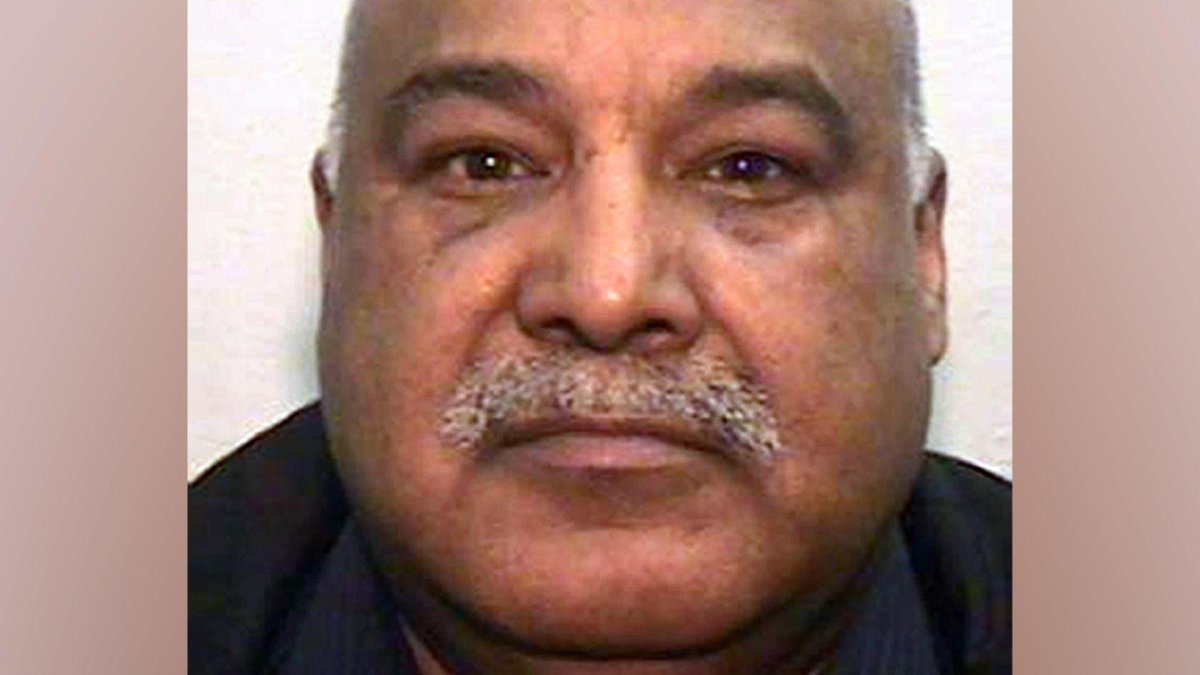
The 1971 Immigration Act Loophole
The 1971 Immigration Act contains a provision that bars deportation of Commonwealth citizens who arrived in the UK before 1973 and have lived here for five or more years, creating a narrow but durable protection for a small cohort of long-term residents. Shabir Ahmed qualifies under this clause despite the Home Office stripping his British citizenship after his 2012 conviction at Liverpool Crown Court. Legal experts note the irony that denaturalisation, intended to facilitate removal, instead rendered Ahmed stateless in a manner that Pakistan now cites to refuse his return. The 55-year-old law has survived multiple immigration reforms without amendment, leaving the Home Office reliant on diplomatic channels rather than straightforward enforcement. Greater Manchester Police have highlighted the public protection risks posed by Ahmed’s presence in 24-hour staffed accommodation under GPS electronic tagging, strict licence conditions, exclusion zones, curfew and registration on the sex offenders register. Any breach would trigger immediate recall to prison, yet victims and campaigners argue these measures cannot substitute for deportation. The provision’s survival reflects earlier assumptions about Commonwealth migration that no longer align with contemporary public safety priorities following high-profile grooming gang cases across northern England.
Shabana Mahmood's Proposed Law Change
Home Secretary Shabana Mahmood is scheduled to set out proposals on Monday 13 July to amend the 1971 Immigration Act, either through fast-tracked primary legislation or an amendment to the Immigration and Asylum Bill currently before the Commons. Government sources indicate that full implementation could take up to a year, prompting Shadow Home Secretary Chris Philp to urge immediate support for his own amendment. Home Office minister Alex Norris told MPs that “all options on the table” and that the government “won’t give up” on removing Ahmed. The legislative timetable is complicated by the need to navigate both domestic legal challenges and the diplomatic standoff with Pakistan. Analysis within the Home Office suggests that targeted changes could close the pre-1973 protection without affecting wider Commonwealth rights, though parliamentary scrutiny may extend the process. Rochdale Labour MP Paul Waugh has called for swift action, describing Ahmed as a “vile child rapist” who must be “booted out of Britain”. The proposals represent the first explicit attempt to modernise this aspect of the 1971 Act in response to grooming gang convictions, with ministers aware that further cases involving similar immigration status could emerge across northern England.

Victims Speak Out: 'I'm Scared for My Safety'
Victim “Ruby”, supported by the Maggie Oliver Foundation, has stated she is “scared for my safety and my kids’ safety” following Shabir Ahmed’s release on 2 July 2026. She described being given “false promises” by authorities and left to “fend for themselves” with no meaningful ongoing support. The Foundation, led by former Greater Manchester Police detective Maggie Oliver who turned whistleblower on grooming gang failures, has documented how survivors across Rochdale and Lancashire continue to experience inadequate protection despite licence conditions including GPS tagging, curfews and exclusion zones. Oliver’s earlier evidence to inquiries highlighted systemic shortcomings within Greater Manchester Police that allowed the gang to operate unchecked for years. Ruby’s testimony underscores the gap between formal risk management measures and the lived reality of victims who fear Ahmed’s proximity in 24-hour staffed accommodation. The Foundation argues that electronic monitoring and sex offenders register requirements, while necessary, cannot address the psychological impact on survivors or prevent potential community tensions in Greater Manchester. Calls for deportation have intensified precisely because licence conditions alone fail to restore confidence among those most directly affected by the original Operation Doublet investigation.
The Pakistan Diplomatic Challenge
Pakistan has refused to accept Shabir Ahmed’s return, arguing that he renounced citizenship and therefore has “no stake” in the country. Downing Street confirmed the matter has been raised at the highest levels with Islamabad, while the Foreign, Commonwealth and Development Office continues to press through formal diplomatic channels. The standoff has created a developing row that could affect broader UK-Pakistan relations, particularly around migration and security cooperation. Ahmed’s dual British-Pakistani citizenship was revoked after his 2012 conviction, yet the 1971 Immigration Act’s protections have left the Home Office without a straightforward removal route. Officials in Islamabad maintain that Ahmed’s long residence in Britain and renunciation of Pakistani citizenship absolve them of responsibility. The Foreign Office is exploring whether other legal avenues or international agreements might apply, though no breakthrough has been reported. This case is being watched closely by campaigners who fear similar refusals could arise in other grooming gang deportations involving pre-1973 Commonwealth arrivals. The diplomatic impasse illustrates how individual criminal cases can escalate into bilateral tensions when domestic legislation and foreign policy priorities collide.
Political Cross-Party Response
Shadow Home Secretary Chris Philp has urged the government to back his amendment to close the 1971 Act loophole, while Rochdale Labour MP Paul Waugh has demanded ministers “act quickly” to remove Ahmed. Home Office minister Alex Norris told the Commons that “all options on the table” and the government “won’t give up”. Cross-party consensus is emerging on the need to amend the 55-year-old provision, with northern MPs highlighting the wider implications for other convicted groomers holding similar immigration status. Greater Manchester Police have reiterated public protection concerns, noting Ahmed’s strict licence conditions including 24-hour staffing, GPS tagging and exclusion zones. Paul Waugh described Ahmed as a “vile child rapist” who must be “booted out of Britain”, reflecting constituent anger in Rochdale. The political pressure extends beyond one case, as campaigners warn that failure to act could embolden further legal challenges in comparable grooming gang deportations across Lancashire and Yorkshire. Ministers are balancing the need for rapid legislative change against the risk of judicial review, with parliamentary time already allocated for the Immigration and Asylum Bill debate on Monday 13 July.
The Bottom Line — What Comes Next
Monday’s statement by Home Secretary Shabana Mahmood marks the first formal step toward amending the 1971 Immigration Act, yet the legislative timeline could stretch to a year according to government sources. The diplomatic hurdle with Pakistan remains unresolved, with Islamabad continuing to reject Ahmed’s return despite representations from Downing Street and the Foreign Office. This case is likely to serve as a test for future deportation legislation involving other convicted groomers with pre-1973 Commonwealth status across northern England. Greater Manchester Police will maintain close monitoring of Ahmed’s licence conditions, including GPS tagging and curfew, while victims supported by the Maggie Oliver Foundation continue to press for removal. The outcome will determine whether the 55-year-old protection can be narrowed without broader disruption to immigration law, and whether diplomatic pressure can overcome Pakistan’s refusal. Community impact in Rochdale and surrounding areas will depend on swift resolution, with survivors demanding that public protection concerns finally translate into Ahmed’s departure from Britain.
By Erica Thornton, Staff Writer
This article was produced with AI-assisted research and editorial support. Reporting is based on sources cited in the article.
What's Your Reaction?
 Like
0
Like
0
 Dislike
0
Dislike
0
 Love
0
Love
0
 Funny
0
Funny
0
 Wow
0
Wow
0
 Sad
0
Sad
0
 Angry
0
Angry
0

US Politics and Policy Correspondent at Global1.News. Based in Washington DC, covering American politics, policy, elections, and the courts. Knows how the system works and tells you what it actually means.















Comments (0)