
Bangkok Post Pride Dialogue 2026 Highlights Thailand's Pink Economy Growth
Bangkok Post Pride Dialogue 2026 Opens at EMSPHERE On Friday, June 26, 2026, the Bangkok Post Pride Dialogue 2026 brought together business leaders, diplomats, and community advocates at EM WONDER on the 5th Floor of EMSPHERE in Bangkok, marking a significant moment in Thailand's evolving Pink Economy landscape. The event, held from 5pm to 10pm, celebrated real stories of LGBTQ
Bangkok Post Pride Dialogue 2026 Opens at EMSPHERE
On Friday, June 26, 2026, the Bangkok Post Pride Dialogue 2026 brought together business leaders, diplomats, and community advocates at EM WONDER on the 5th Floor of EMSPHERE in Bangkok, marking a significant moment in Thailand's evolving Pink Economy landscape. The event, held from 5pm to 10pm, celebrated real stories of LGBTQ+ individuals across various industries while showcasing the challenges they face, the achievements they have earned, the support systems that sustain them, and the talents that allow them to thrive in an increasingly inclusive Thailand.
The timing of the dialogue was deliberate. It came just days after the Marriage Equality Act had taken full effect, and it coincided with Pride Show 2026, Asia's first LGBTIQ+ business expo, which ran on June 26-27 across multiple venues in Bangkok. Together, these events signalled to investors, travelers, and regional neighbours that Thailand is not merely a tolerant society — it is one that recognises economic opportunity in inclusion. The Tourism Authority of Thailand has been actively promoting LGBTQ+ travel and wedding tourism as part of a broader strategy to capture a greater share of the global Pink Economy, which is valued at an estimated $4.7 trillion worldwide.
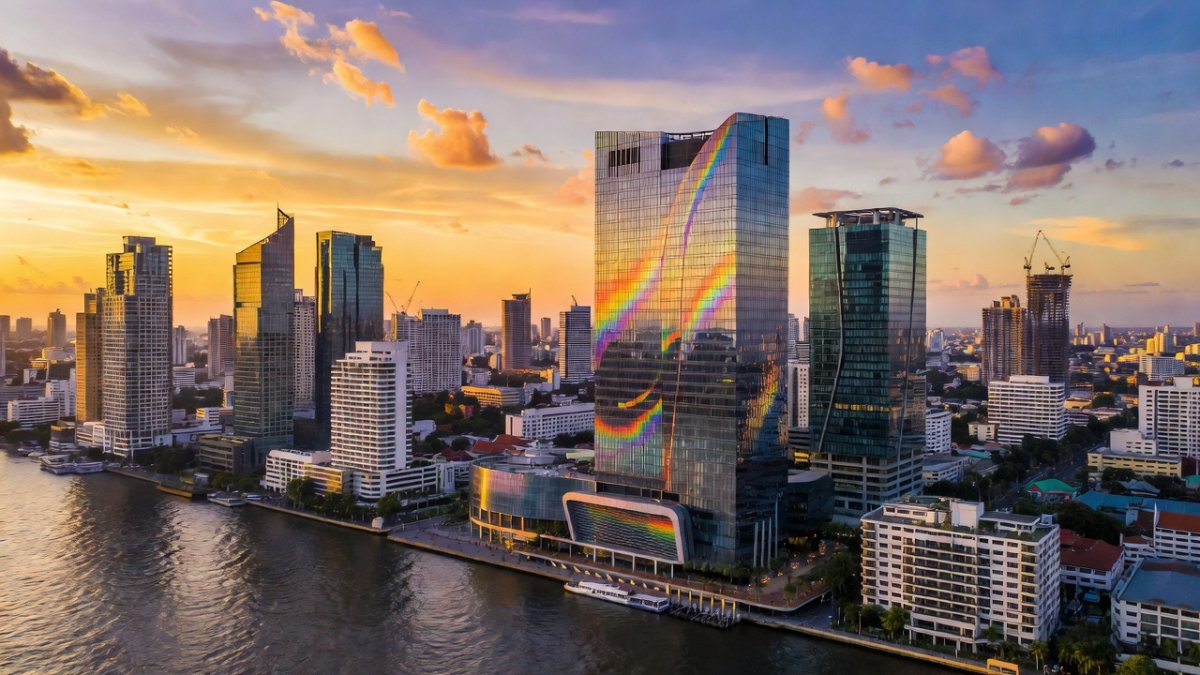
The venue itself, EMSPHERE in the heart of Bangkok's Sukhumvit district, served as a fitting symbol of the intersection between diversity and commerce. As attendees gathered on the fifth floor, the atmosphere reflected a broader shift in Thai society — one where conversations about identity, acceptance, and economic growth are no longer separate but deeply intertwined. This dialogue was not merely a celebration; it was a strategic convening designed to produce actionable outcomes for businesses, policymakers, and communities across Thailand.
Panel One Explores Pink Economy from Visibility to Value
The first panel, titled "Pink Economy: From Visibility to Economic Value," featured Lisa Davidson from the Australian Embassy as a Pride Champion alongside Numan Afifi of APCOM Foundation and Tanachai Kulsomboonsin, CEO of Canvas Ventures International. Panelists discussed how Thailand's Pink Economy now generates more than 10.3 billion baht annually, with the broader LGBTQ+ economy reaching 152 billion baht per year. They explained that these figures represent direct spending on travel, events, and services that benefit local suppliers in Bangkok and beyond.
Lisa Davidson highlighted how the Marriage Equality Act has opened new financial services worth 73.9 million dollars in tailored banking and insurance products. Numan Afifi shared data showing that LGBT travelers contribute approximately 1.5 billion dollars annually to Thailand's economy through extended stays in Pattaya and Phuket. Tanachai Kulsomboonsin noted that companies like Canvas Ventures are investing in content production that attracts global audiences, turning cultural visibility into measurable revenue streams.
Attendees learned that these economic gains extend beyond Bangkok to secondary cities such as Chiang Mai and Khon Kaen, where small businesses now cater to LGBTQ+ visitors. The panel emphasized that visibility alone is insufficient without concrete policies that convert acceptance into sustained income for Thai families. Participants left with clear recommendations for businesses to track spending patterns and develop targeted offerings that align with the 388 million global LGBTQ+ population's purchasing power.
Panel Two Examines Inclusion as Driver of Broader Progress
The second panel, "Beyond Pride: Inclusion as Driver of Economic and Social Progress," brought together Alisa Phanthusak Kunpalin, Managing Director of Tiffany's Show Pattaya, and actor Chindanai Dechawaleekul, who also serves as Executive Director of SOF Studios. They explored how inclusive workplaces increase productivity and attract foreign investment across multiple Thai provinces. Alisa described how Tiffany's Show has expanded its Pattaya operations to include wellness programs that serve both local and international audiences.
Chindanai Dechawaleekul explained that BL and GL drama productions now position Thailand as a safe space for fans from across Asia, generating jobs in Isaan communities where filming locations are increasingly chosen. The discussion connected these developments to the recent launch of Borderless.lgbt's "Pink Plus Economy" health and wellness initiative, which aims to integrate medical tourism with inclusive hospitality standards. Panelists stressed that such initiatives create ripple effects that reach everyday Thai workers in hospitality and entertainment sectors.
Both speakers underscored that true progress requires ongoing dialogue between government agencies and private companies to ensure benefits reach rural areas. They cited examples from Phuket and Chiang Mai where inclusive policies have already boosted hotel occupancy rates during off-peak seasons. The conversation concluded with a call for measurable targets that track social inclusion alongside economic returns for the coming fiscal year.
Economic Numbers Reveal Scale of Opportunity for Thai Communities
Thailand's Pink Economy, valued at over 10.3 billion baht annually, forms part of a larger LGBTQ+ economy estimated at 152 billion baht per year. These figures translate into direct employment for thousands of residents in Bangkok's Sukhumvit area and tourism hubs such as Pattaya. The global context shows a $4.7 trillion spending power from 388 million LGBTQ+ individuals, providing a clear benchmark for Thai planners seeking to expand market share.
LGBT travelers alone spend roughly 1.5 billion dollars each year in Thailand, with significant portions flowing to wedding tourism packages promoted by the Tourism Authority of Thailand. Financial services tailored to this demographic have reached 73.9 million dollars, covering insurance and banking products that support long-term community stability. Nikkei Asia has reported that tour operators and BL drama producers are actively capitalizing on these trends to secure new revenue streams.
These numbers matter for Thai readers because they demonstrate how inclusion can support family businesses in provinces like Khon Kaen and Isaan. When spending circulates locally, it strengthens schools, markets, and healthcare facilities that serve all residents. Policymakers are therefore examining ways to replicate successful models from Bangkok across additional regions to distribute gains more evenly.
Regional Impact Extends Benefits to Pattaya, Phuket, Chiang Mai and Isaan
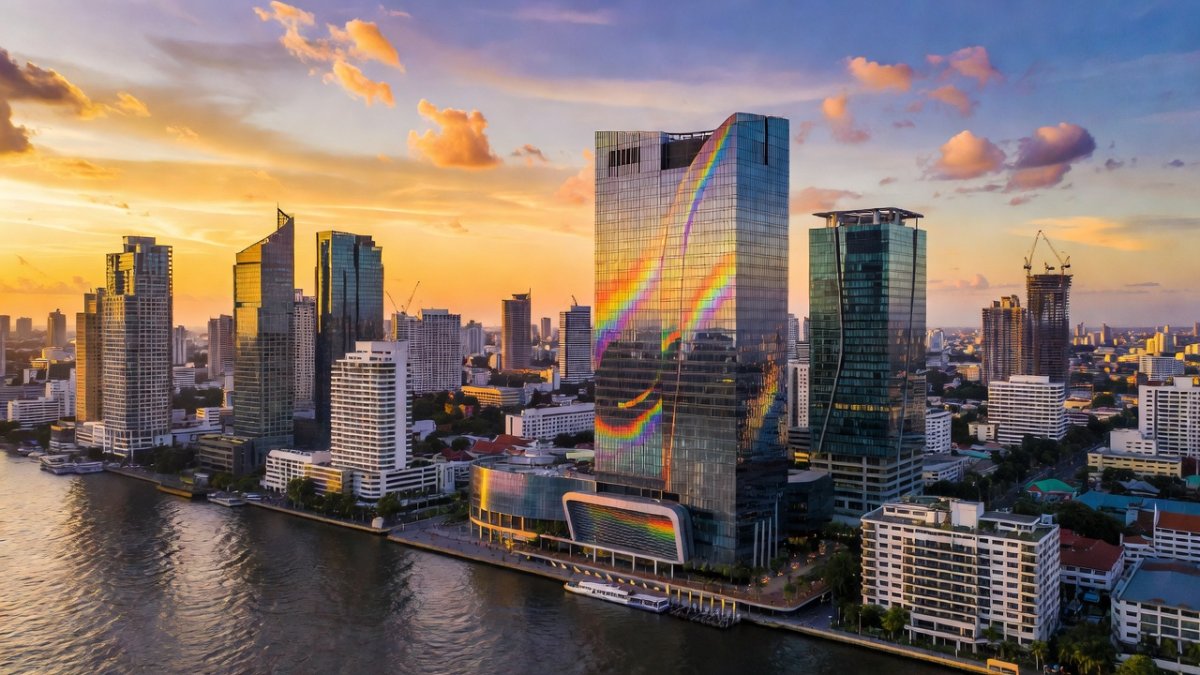
Benefits from the Pink Economy are already visible in Pattaya, where Tiffany's Show continues to draw international crowds and support local vendors. Phuket has seen increased bookings for inclusive wedding ceremonies following the Marriage Equality Act, with hotels reporting higher occupancy during traditional low seasons. Chiang Mai benefits from film productions that employ residents and promote the city's cultural sites to global audiences.
In Khon Kaen and other Isaan locations, new tourism routes now highlight LGBTQ+ friendly homestays and community events that generate supplementary income for farming families. The Tourism Authority of Thailand has developed specific packages that link these destinations with Bangkok as entry points. This regional spread helps reduce economic concentration in the capital while preserving local traditions.
Thai communities gain when these developments align with existing cultural practices that value hospitality. Families in smaller towns report improved access to services and markets as visitor numbers rise. Continued coordination between local governments and national agencies will determine how widely these advantages reach over the next five years.
Thailand Holds ASEAN Competitive Edge Through Policy and Culture
Thailand maintains a clear advantage over Malaysia, Indonesia, and Vietnam in attracting LGBTQ+ tourism and investment due to its Marriage Equality Act and established entertainment infrastructure. Regional analysts note that Thai destinations offer more consistent legal protections and marketing support through the Tourism Authority of Thailand. This positioning allows Thai businesses to capture market segments that competitors have not yet fully developed.
The competitive edge also stems from Thailand's ability to host large-scale events such as Pride Show 2026, which draws exhibitors and buyers from across ASEAN. Companies in Bangkok and Pattaya benefit from this visibility when negotiating partnerships with regional operators. Vietnamese and Indonesian firms have begun studying Thai models to adapt successful elements for their own markets.
For Thai readers, this edge represents an opportunity to lead rather than follow in regional economic discussions. Sustaining the advantage requires consistent policy support and investment in training programs that prepare workers across provinces. ASEAN neighbors continue to watch Thailand's progress as a reference point for their own inclusion strategies.
Pride Show 2026 and Pink Plus Economy Launch New Pathways
Pride Show 2026, running alongside the Bangkok Post Pride Dialogue, introduced business matchmaking sessions that connected Thai entrepreneurs with international buyers in multiple Bangkok venues. The expo highlighted products ranging from inclusive apparel to specialized travel services, creating immediate sales opportunities for local producers. Borderless.lgbt's "Pink Plus Economy" initiative was formally launched during the event, focusing on health and wellness offerings that combine medical tourism with cultural experiences.
These initiatives build on the global recognition of Thailand as a safe space for BL and GL fans, encouraging content creators to base operations in Chiang Mai and Phuket. The resulting productions generate ongoing employment and promote Thai locations to international streaming audiences. Organizers expect follow-up events in 2027 to expand these networks further into secondary cities.
Thai businesses that participate early stand to secure long-term contracts that stabilize income during seasonal fluctuations. The combination of expos and targeted initiatives provides practical tools for communities seeking to enter the Pink Economy. Continued promotion by national agencies will help maintain momentum across the coming years.
Buddhist Principles and Chan Culture Support Sustained Growth
Thailand's Buddhist principles of acceptance, often expressed through the chan culture of tolerance, provide a cultural foundation that aligns with inclusive economic policies. Temples in Bangkok and rural areas have long welcomed diverse communities, creating social environments where business initiatives can take root without resistance. This cultural context helps explain why the Marriage Equality Act passed with broad public support.
Community leaders in Pattaya and Chiang Mai frequently reference Buddhist teachings on compassion when explaining the benefits of LGBTQ+ inclusion to local residents. These values encourage hospitality toward visitors, which in turn supports the 1.5 billion dollars in annual traveler spending. The integration of spiritual and economic perspectives strengthens community buy-in for new projects.
Thai readers recognize that these principles offer a stable base for long-term development rather than short-term trends. When economic strategies respect cultural foundations, they achieve wider participation across generations. Policymakers continue to highlight this connection in national tourism campaigns to reinforce Thailand's distinctive identity within ASEAN.
Future Steps Focus on Measurement and Regional Expansion
Looking ahead, Thai stakeholders will monitor specific indicators such as annual growth in the 10.3 billion baht Pink Economy figure and visitor arrivals in emerging destinations like Khon Kaen. The Tourism Authority of Thailand plans to release updated wedding tourism packages that incorporate feedback from the June 2026 events. Businesses are advised to establish tracking systems that measure both revenue and community impact.
Regional expansion will require partnerships between Bangkok-based organizers and provincial chambers of commerce to replicate successful models from Phuket and Pattaya. Training programs focused on inclusive service standards are scheduled to begin in Isaan communities by late 2026. These steps aim to distribute economic benefits more evenly while maintaining Thailand's ASEAN leadership position.
Continued dialogue through future Bangkok Post events will help refine strategies based on real outcomes. Thai families and entrepreneurs who engage with these developments can position themselves to benefit from the global 4.7 trillion dollar LGBTQ+ market. The coming year offers clear opportunities for measured, culturally grounded progress across the kingdom.
By Ann Srisawat, Staff Writer Meta Keywords: Bangkok Post Pride Dialogue 2026, Pink Economy Thailand, Marriage Equality Act, LGBTQ tourism Thailand, Pattaya Phuket Chiang Mai, ASEAN Pink Economy, Buddhist acceptance Thailand, Pride Show 2026, Borderless.lgbt Pink Plus Economy, Tiffany's Show Pattaya, APCOM Foundation, Canvas Ventures International, SOF Studios, Tourism Authority of ThailandThis article was produced with AI-assisted research and editorial support. Reporting is based on sources cited in the article.
What's Your Reaction?
 Like
0
Like
0
 Dislike
0
Dislike
0
 Love
0
Love
0
 Funny
0
Funny
0
 Wow
0
Wow
0
 Sad
0
Sad
0
 Angry
0
Angry
0

Southeast Asia Correspondent at Global1.News. Based in Bangkok, covering Thai and Southeast Asian politics, economy, technology, and culture. Deep regional perspective on one of the world's most dynamic regions.














Comments (0)