
Las Marías Launches First Tourism Festival to Spotlight Mountain Charm
Las Marías Launches First Tourism Festival to Spotlight Mountain Charm The Historic Launch of Las Marías' First Tourism Festival The municipality of Las Marías in western Puerto Rico has announced its very first tourism festival, marking a significant step for this small mountain community. The Festival Turístico de Las Marías 2026 is scheduled for June 27-28 at the Área Recrea
The Historic Launch of Las Marías' First Tourism Festival
The municipality of Las Marías in western Puerto Rico has announced its very first tourism festival, marking a significant step for this small mountain community. The Festival Turístico de Las Marías 2026 is scheduled for June 27-28 at the Área Recreativa Adrián Heriberto Acevedo Cruz, bringing together residents and visitors in celebration of local heritage. This event represents the initial organised effort by the municipality to highlight its unique mountain charm through a dedicated programme of activities. Community leaders have emphasised how such gatherings can foster pride while opening doors to new economic opportunities in an area long known for its agricultural roots. Neighbouring towns like San Sebastián and Maricao have already expressed interest in similar collaborations, showing the potential for regional cooperation across the Cordillera Central.
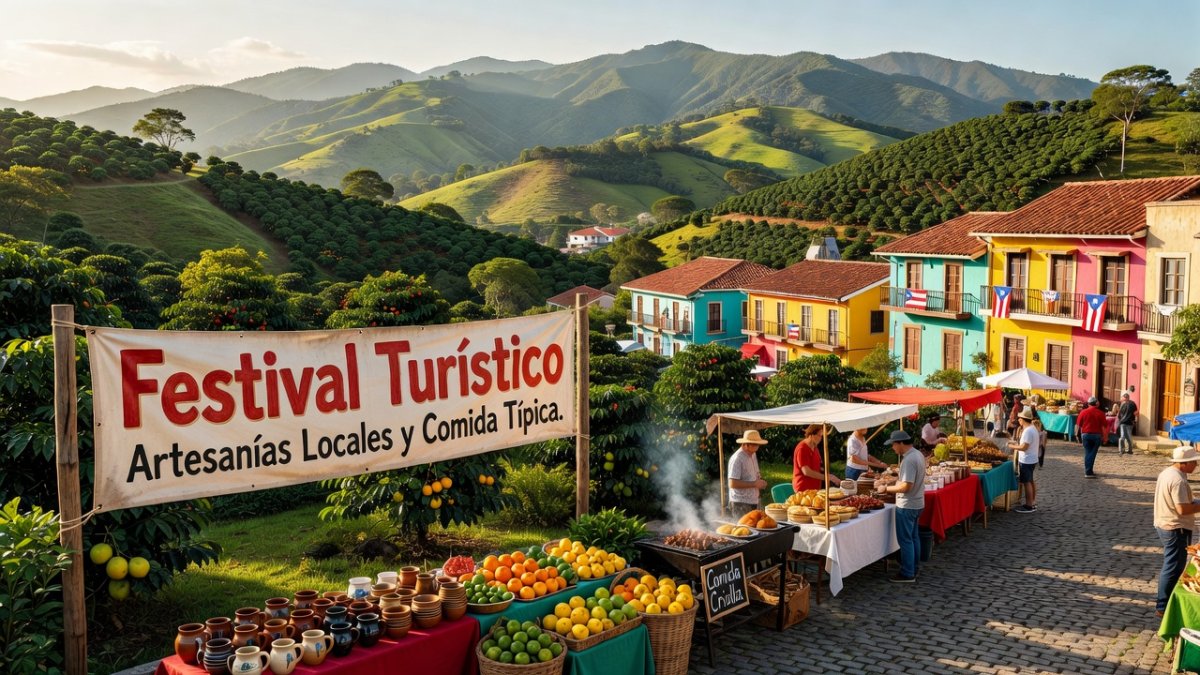
Organisers have carefully planned a range of attractions that reflect the everyday life and traditions of Las Marías. Visitors can expect to enjoy gastronomy featuring local produce, displays of artesanía crafted by residents, and performances of live local music that capture the spirit of the hills. A 5K race will encourage physical activity amid the scenic surroundings, while free entry ensures that families from all backgrounds can participate without financial barriers. These elements have been chosen to create an inclusive atmosphere where everyone feels welcome, much like community events in rural Trinidad villages. The decision to keep the festival accessible aligns with broader efforts to build stronger community bonds in the face of modern challenges.
Local officials view this festival as a foundation for future growth rather than a one-time occurrence. Discussions are already underway about expanding the programme in coming years to include more workshops and guided walks through old coffee haciendas. Such expansions could draw on the natural beauty of the steep terrain while preserving its character. Residents have shared stories of how past generations relied on the land, and the festival offers a way to pass those narratives to younger people. This approach mirrors initiatives in other Caribbean communities where cultural events serve as living classrooms for heritage preservation.
The announcement has generated quiet excitement among those who have long advocated for greater recognition of western Puerto Rico's interior regions. By focusing on authentic experiences rather than large-scale developments, the festival positions Las Marías as a destination that values its identity. Partnerships with tourism bodies are being explored to ensure the event reaches a wider audience over time. This measured rollout reflects an understanding that sustainable progress requires patience and genuine community involvement. In many ways, the festival embodies the resilient spirit that has sustained mountain towns across the Caribbean for generations.
Delving into the Background of Las Marías as the Pueblo de la China Dulce
Las Marías, often called the Pueblo de la China Dulce or Ciudad de los Cítricos, sits nestled within the Cordillera Central mountain range in western Puerto Rico. Founded in 1871, this municipality has maintained a population of around 11,000 residents who continue to draw strength from the surrounding landscape. The steep slopes, which cover 94 percent of the area, have shaped both the challenges and the character of daily life here. Bounded by San Sebastián, Maricao, Lares, Mayagüez, and Añasco, the town has long served as a quiet hub for agricultural production. Its history is deeply intertwined with the cultivation of coffee, plantains, bananas, and citrus fruits that thrive in the fertile yet rugged terrain.
Marble quarries have also played a role in the local economy, providing materials that have been used in construction projects across the island. Old coffee haciendas stand as reminders of earlier eras when the region supplied beans to markets far beyond Puerto Rico. These historic sites now hold potential as attractions for visitors interested in learning about traditional farming methods. Community members often gather at these locations to share memories of harvest seasons and the labour that built the town's reputation. Such stories highlight the enduring connection between people and land that defines many rural Caribbean settlements.
The nickname Ciudad de los Cítricos speaks to the abundance of oranges and other fruits that have sustained families through difficult times. In recent years, younger residents have begun experimenting with value-added products like preserves and juices to extend the reach of these crops. This innovation builds on generations of knowledge passed down through families. The mountainous setting has also encouraged a close-knit way of life where neighbours support one another during storms or economic shifts. These dynamics create a strong sense of place that visitors often find refreshing compared to busier coastal areas.
Efforts to preserve the natural environment remain central to local identity, with residents mindful of how deforestation or overdevelopment could alter the delicate balance. Agricultural cooperatives have formed to promote sustainable practices that protect both soil and water sources. These initiatives echo similar movements in Trinidad's Northern Range communities, where farmers balance tradition with modern needs. The landscape of Las Marías thus serves as both livelihood and legacy, inviting outsiders to appreciate its quiet beauty without overwhelming it.
Puerto Rico's Thriving Tourism Sector and Its Contributions
Tourism plays a vital role in Puerto Rico's economy, contributing more than 8.9 billion dollars annually through visitor spending and related activities. The average overnight visitor spends around 170 dollars each day, supporting hotels, restaurants, and local artisans across the island. This revenue stream has helped offset fluctuations in other sectors while creating employment opportunities in both urban and rural zones. Discover Puerto Rico has actively promoted lesser-known destinations to distribute these benefits more evenly. Such strategies aim to reduce pressure on popular coastal spots while highlighting the island's diverse offerings.
Rural tourism and agro-tourism have emerged as growing trends that align with changing traveller preferences for authentic experiences. Visitors increasingly seek opportunities to engage with farming communities and learn about traditional crops like coffee and citrus. These forms of tourism encourage longer stays and deeper connections with local culture. Sustainable tourism initiatives have gained traction as stakeholders recognise the need to protect natural resources for future generations. Partnerships between government agencies and community groups have supported pilot projects that test eco-friendly approaches in mountain regions.
The economic impact extends beyond direct spending to include indirect benefits such as improved infrastructure and skills development for residents. Training programmes focused on hospitality and guiding have equipped young people with tools to participate in the sector. These efforts mirror developments in Jamaica, where rural tourism has helped diversify income sources in parishes outside Kingston. By investing in community capacity, Puerto Rico positions itself to capture a larger share of the Caribbean tourism market. The focus remains on balanced growth that respects environmental limits and cultural integrity.
Challenges such as recovery from natural disasters have underscored the importance of resilient tourism models. Communities like Las Marías demonstrate how smaller-scale events can contribute to this resilience by building local networks. Data from recent visitor surveys indicate rising interest in interior destinations that offer cooler climates and scenic trails. This shift presents opportunities for municipalities to develop offerings that complement beach tourism. Continued collaboration across the island will be essential to realising the full potential of these trends.
The Rise of Rural and Agro-Tourism in Puerto Rico
Rural and agro-tourism have seen steady expansion in Puerto Rico as travellers look beyond traditional beach holidays for meaningful encounters. Mountain communities offer unique insights into agricultural heritage, from coffee plantations to citrus groves that define the landscape. These experiences allow visitors to understand the labour and knowledge required to sustain such traditions. Local operators have begun offering farm stays and tasting sessions that highlight seasonal produce. This development supports farmers by creating additional revenue streams during off-peak periods.
Discover Puerto Rico has played a key role in marketing these destinations to international audiences interested in sustainable travel. Campaigns emphasise the island's biodiversity and the stories of families who have worked the land for decades. Educational components within tours help raise awareness about conservation needs in steep terrains. Similar programmes in Barbados have successfully attracted eco-conscious visitors to rural parishes. The result is a more diversified tourism product that benefits a wider range of communities.
Challenges include ensuring that growth does not strain limited resources or displace residents. Careful planning around events like the Las Marías festival helps manage visitor numbers while maximising local participation. Training in customer service and digital marketing has empowered small businesses to reach new markets. Historical context shows that agro-tourism builds on earlier plantation economies, transforming them into sources of cultural pride. This evolution reflects broader Caribbean efforts to reclaim narratives around land and labour.
Community feedback indicates strong support for initiatives that keep profits within the region. Cooperatives have formed to coordinate offerings and share best practices across municipalities. Such networks strengthen resilience against external shocks like changing travel patterns. The emphasis on authenticity resonates with travellers seeking genuine connections rather than staged performances. Over time, these trends could reshape how Puerto Rico presents itself to the world.
Caribbean-Wide Growth in Community-Based Tourism Initiatives
Across the Caribbean, rural and agro-tourism have expanded as nations seek to diversify economies beyond traditional sectors. In Trinidad and Tobago, community-based projects in Tobago's villages and Trinidad's central plains have drawn visitors interested in local cuisine and crafts. Jamaica has developed similar offerings in the Blue Mountains, where coffee tours provide income for smallholders. Barbados has promoted heritage trails that connect visitors with agricultural history. These initiatives share a common goal of empowering residents to shape tourism on their own terms.
Free-entry events hold particular value amid cost-of-living pressures that affect households throughout the region. Families in Las Marías and comparable communities in the Caribbean often face rising expenses for food and utilities. Accessible festivals allow participation without additional strain, fostering social cohesion. Diaspora members returning for visits frequently support such events, bringing fresh perspectives and resources. This pattern strengthens ties between those who remain and those who have moved abroad.
Regional organisations like CARICOM have encouraged knowledge sharing on sustainable tourism practices. Workshops have highlighted successful models from different islands, adapting them to local contexts. Environmental considerations remain central, given the vulnerability of small island developing states to climate impacts. Community involvement ensures that tourism development aligns with cultural values rather than external agendas. The Las Marías festival exemplifies this approach by prioritising local voices in planning.
Historical analysis reveals that community-based tourism revives older traditions of hospitality and mutual support. In many Caribbean societies, festivals have long served as occasions for exchange and celebration. Modern iterations incorporate contemporary elements like races and music performances to appeal to broader audiences. This blend of old and new creates dynamic experiences that resonate across generations. Continued regional dialogue will help refine these models for greater impact.
Addressing Cost of Living Through Free Community Events
Free community events like the upcoming festival in Las Marías offer meaningful relief during periods of economic strain felt across the Caribbean. Rising costs for essentials have prompted families to seek affordable ways to gather and celebrate. By removing entry fees, organisers ensure that participation remains open to all residents regardless of income. This approach builds goodwill and encourages broader involvement in local initiatives. Similar strategies in Trinidad have proven effective in maintaining community spirit amid challenges.
The festival's focus on local gastronomy and crafts also supports vendors who might otherwise struggle with market access. Providing a platform for these producers helps circulate money within the municipality. Historical patterns show that such events can stimulate small-scale entrepreneurship over time. Residents often draw parallels to market days in other mountain communities where exchange strengthens social bonds. Careful organisation ensures that benefits reach those most in need.
Regional analysis indicates that accessible tourism activities contribute to overall well-being by reducing isolation. In SIDS like Puerto Rico, where external economic factors heavily influence daily life, local events provide stability. Partnerships with agricultural groups allow for demonstrations that educate while entertaining. This dual purpose enhances the value of participation for families. Long-term planning will determine how such festivals evolve to meet changing needs.
Community leaders have noted increased volunteerism around the event, reflecting a collective desire to contribute. This engagement fosters skills in event management and hospitality that can be applied elsewhere. The warm, inclusive atmosphere mirrors gatherings in Caribbean villages where everyone has a role. By prioritising accessibility, the festival sets a positive example for other municipalities considering tourism development. Sustainable models depend on such thoughtful design.
Diaspora Connections and the Future of Sustainable Tourism in the Region
Diaspora connections play an important role in sustaining interest in events like the Las Marías festival, as returning visitors bring both enthusiasm and support. Many families maintain ties to Puerto Rico despite living abroad, often planning trips around cultural occasions. These return visits inject energy into local economies while preserving traditions through shared stories. In Trinidad and Tobago, similar patterns have boosted participation in rural festivals organised by village councils. The emotional bonds strengthen community resilience across distances.
Sustainable tourism initiatives across the Caribbean increasingly incorporate diaspora perspectives to ensure relevance. Feedback from these visitors helps refine offerings to appeal to both locals and outsiders. Historical context reveals that migration has long shaped Caribbean societies, with remittances and visits providing vital links. The Las Marías event offers a platform for these connections to flourish in a mountain setting. Future expansions could include virtual components to engage those unable to travel.
Regional cooperation through bodies like CARICOM supports the exchange of ideas on balancing tourism growth with environmental protection. Lessons from Jamaica's agro-tourism projects inform approaches in Puerto Rico's interior. Emphasis remains on community ownership to prevent external dominance of local resources. This framework aligns with global calls for equitable development in small island nations. The festival represents an early step in this direction for Las Marías.
Looking forward, the success of such events will depend on consistent community involvement and adaptive planning. Agricultural heritage, from citrus groves to coffee haciendas, provides a strong foundation for ongoing attractions. By connecting with wider Caribbean trends, Las Marías can contribute to a more diversified regional tourism landscape. The warm spirit of hospitality that defines these communities will continue to draw people seeking genuine experiences. This shared journey across islands promises mutual benefits for years to come.
By Sharon Sahatoo, Staff WriterThis article was produced with AI-assisted research and editorial support. Reporting is based on sources cited in the article.
What's Your Reaction?
 Like
0
Like
0
 Dislike
0
Dislike
0
 Love
0
Love
0
 Funny
0
Funny
0
 Wow
0
Wow
0
 Sad
0
Sad
0
 Angry
0
Angry
0

Caribbean Correspondent at Global1.News. Based in Port of Spain, Trinidad, covering Caribbean politics, economy, energy, climate, and culture. Amplifying the voices and stories of the Caribbean region.














Comments (0)