
Bailey's Law Passes: New Canadian IPV Protections
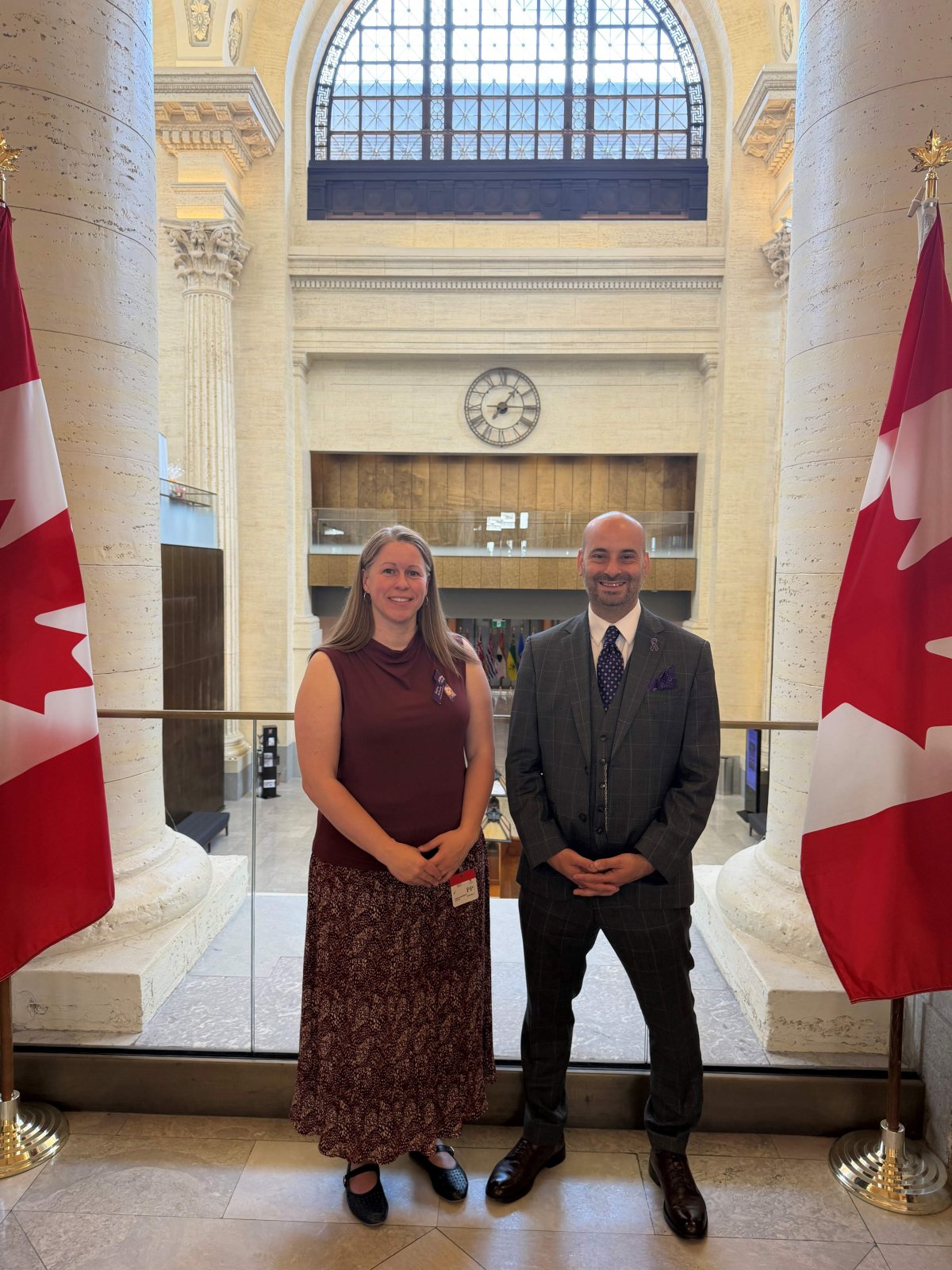
The Legislative Milestone The journey of Bill C-225, known as Bailey's Law, to royal assent on Wednesday, June 17, 2026, marked a significant parliamentary achievement in Canada. As a private member's bill introduced by Conservative MP Frank Caputo of Kamloops-Thompson-Nicola, the legislation navigated the complexities of the House of Commons and Senate with notable efficiency.
The Legislative Milestone
The journey of Bill C-225, known as Bailey's Law, to royal assent on Wednesday, June 17, 2026, marked a significant parliamentary achievement in Canada. As a private member's bill introduced by Conservative MP Frank Caputo of Kamloops-Thompson-Nicola, the legislation navigated the complexities of the House of Commons and Senate with notable efficiency. It passed third reading in the Senate just one day prior, underscoring the urgency felt across political lines. Private member's bills rarely advance this far without substantial backing, yet bipartisan support propelled Bailey's Law forward through committee reviews and debates. The process highlighted Canada's legislative framework, where such bills can address pressing social issues when consensus builds. Changes under the bill come into effect within 30 days of royal assent, allowing provinces and territories time to prepare for implementation. This timeline reflects careful consideration of federal-provincial coordination needs. The bill's success demonstrates how targeted reforms can emerge from tragedy, transforming individual stories into national policy shifts. Analysts note that the swift Senate passage signals strong recognition of intimate partner violence as a systemic concern requiring distinct legal treatment. In the broader context of Canadian lawmaking, this milestone sets a precedent for future private member's initiatives focused on justice reform.
Throughout the parliamentary stages, members emphasised evidence from court cases and advocacy reports showing gaps in existing Criminal Code provisions. The bill's evolution involved amendments during Senate scrutiny to ensure clarity on definitions and sentencing guidelines. This measured approach avoided rushed language while fulfilling the core objectives. By reaching royal assent in mid-June 2026, the legislation positions Canada to lead in addressing patterns of abuse that often precede lethal outcomes. The entire timeline, from introduction to final approval, spanned several months of dedicated work, illustrating the persistence required in legislative advocacy. Observers in Ottawa highlighted how cross-party collaboration overcame typical partisan divides, focusing instead on victim protection. This milestone not only honours the bill's namesake but also strengthens the nation's commitment to safer communities through updated legal tools.
The Tragedy Behind the Law
Bailey McCourt, a 32-year-old mother of two from Kelowna, was killed in a parking lot on July 4, 2025, by her estranged husband James Plover. The incident exposed deep flaws in how the justice system handles escalating intimate partner violence. Plover faces charges of first-degree murder, with his trial scheduled for 2027. The family's trauma has been profound, as relatives grappled with the sudden loss and the realisation that prior warnings went unheeded. Debbie Henderson, Bailey's aunt and family spokesperson, has spoken publicly about the emotional devastation and the sense that systemic failures contributed to the outcome. This case became the catalyst for Bailey's Law, transforming personal grief into legislative action. The killing occurred amid a documented pattern of coercive and controlling behaviour, which the new law now explicitly addresses. Community members in Kelowna remember Bailey as a vibrant neighbour whose life was cut short, leaving lasting impacts on her children and extended family. The court proceedings ahead will test how the updated Criminal Code provisions apply to similar situations. Henderson has emphasised the need for greater accountability, noting that the tragedy could have been prevented with better intervention mechanisms. This painful backstory underscores why the legislation carries such emotional weight for Canadians concerned about domestic safety.
The events in Kelowna resonated nationally, prompting discussions on how estranged partners often evade sufficient monitoring. Bailey's story illustrates the human cost when patterns of abuse culminate in violence, motivating advocates to push for reforms that recognise these dynamics earlier. The family's ongoing pain serves as a reminder of the stakes involved in criminal justice policy. As the trial approaches in 2027, attention will remain on ensuring the new provisions deliver meaningful justice.
Key Criminal Code Provisions
Bailey's Law introduces a distinct offence for intimate partner violence within the Criminal Code, marking a shift from treating such acts solely under general assault or homicide categories. Killings linked to a pattern of coercive or controlling behaviour now qualify as first-degree murder, carrying sentences of 25 years to life. This provision aims to capture the calculated nature of abuse that builds over time, rather than isolated incidents. The changes reflect an understanding that coercive control often precedes lethal violence, allowing courts to consider the full context of a relationship. Sentencing guidelines ensure consistency across cases, with the 25-to-life range providing judges flexibility while maintaining severity. These updates come into effect within 30 days of royal assent on June 17, 2026, giving legal professionals time to adapt. The distinct offence category facilitates better tracking of intimate partner violence statistics, supporting future policy refinements. By elevating coercive control to a first-degree murder factor, the law aligns Canadian justice with evolving research on abuse dynamics. Legal experts anticipate this will influence charging decisions and plea negotiations in relevant cases. The provisions also encourage earlier intervention by recognising warning signs that were previously underweighted. Overall, these Criminal Code amendments represent a targeted response to gaps identified through cases like Bailey McCourt's, enhancing protections without overhauling the entire system.
Bipartisan Support and Political Process
Frank Caputo's sponsorship of Bill C-225 exemplified the power of private member's bills when met with genuine cross-party endorsement. In Parliament, members from multiple parties voiced support during readings, recognising the bill's focus on victim safety over political scoring. The Senate review process allowed for detailed examination, resulting in refinements that strengthened the final text without diluting its intent. This bipartisan approach proved essential, as private member's legislation often stalls without broad consensus. Caputo worked diligently to build alliances, presenting evidence from advocacy groups and highlighting the rarity of such bills achieving royal assent. The collaborative atmosphere in both chambers contrasted with more divisive debates on other issues, showing shared commitment to addressing intimate partner violence. Senate committees dedicated sessions to hearing from experts on coercive control, ensuring the provisions were robust. This political process demonstrated Canada's capacity for unified action on social justice matters. The bill's progression from introduction to June 17, 2026, royal assent illustrates effective navigation of procedural hurdles. Observers praised the absence of filibustering, attributing success to the compelling nature of the underlying tragedy. Continued federal-provincial dialogue will be necessary for smooth rollout, but the initial backing sets a positive tone for implementation across jurisdictions.
Family Perspectives and Advocacy
Debbie Henderson has emerged as a powerful voice for change, articulating the family's anguish and highlighting system failures that allowed Bailey McCourt's death. Her statements emphasise the need for proactive measures beyond current legal frameworks. Henderson specifically calls for GPS monitoring of high-risk offenders, mobile geofencing technology, and real-time alerts to protect potential victims. These recommendations stem from the belief that better tools could have altered the outcome in Kelowna. The family's advocacy extends to pushing for improved data sharing between police and social services. Through public appearances, Henderson has stressed that Bailey's Law is a starting point, not an endpoint, for reform. The trauma experienced by Bailey's children and relatives fuels this determination to prevent similar losses elsewhere in Canada. Henderson's efforts have included meetings with policymakers to explain practical gaps in enforcement. By sharing personal details without sensationalism, she humanises the statistics on intimate partner violence. The family's perspective underscores the emotional labour involved in turning grief into action. Their calls for technological enhancements like geofencing reflect forward-thinking ideas that complement the legislative changes. This advocacy continues to shape discussions on how best to support survivors and honour those lost.
Implications for Canadians
Bailey's Law will affect victims of intimate partner violence across Canada by providing clearer legal pathways for prosecution and sentencing. The federal nature of the Criminal Code amendments requires coordination with provincial authorities responsible for policing and victim services. Data tracking improvements will help identify trends in coercive control cases, informing resource allocation in urban centres and rural communities alike. Canadians in every province stand to benefit from the recognition that patterns of abuse warrant specific offences and heightened penalties. Implementation within 30 days of royal assent means rapid adjustments for courts and law enforcement. The legislation encourages consistent application nationwide, reducing disparities in how similar cases are handled. Victim advocates anticipate increased reporting as awareness grows about the new provisions. Federal-provincial coordination will focus on training programs to ensure officers recognise coercive behaviour indicators. Broader implications include potential reductions in recidivism through stricter sentencing and better monitoring options. For neighbours and families observing warning signs, the law signals that the justice system now takes cumulative abuse more seriously. This national scope ensures that reforms inspired by one Kelowna case resonate in communities from coast to coast.
Community Remembrance and Next Steps
On July 4, the community will gather at Cupcasions on Kent Road in Kelowna for an event running from 10am to 2pm, honouring Bailey McCourt's memory one year after her death. Organisers plan fundraising activities to support related causes and sustain momentum for further reforms. The gathering provides space for reflection on the tragedy while celebrating the passage of Bailey's Law. Attendees will discuss ongoing efforts to enhance victim protections, including the GPS monitoring and geofencing measures advocated by Debbie Henderson. This annual remembrance reinforces community bonds and keeps pressure on policymakers for continued improvements. Fundraising proceeds may aid local shelters and awareness campaigns, extending the bill's impact beyond legislation. Next steps involve monitoring the law's application in upcoming trials, such as the 2027 proceedings involving James Plover. Advocates aim to build on this foundation with additional measures addressing enforcement gaps. The event at Cupcasions symbolises resilience, transforming sorrow into collective action. By maintaining focus on prevention and support, Kelowna's residents contribute to a safer Canada for all. Continued reform efforts will draw strength from this community's dedication to honouring Bailey through tangible change.
By Alex Thompson, Staff Writer
This article was produced with AI-assisted research and editorial support. Reporting is based on sources cited in the article.
What's Your Reaction?
 Like
0
Like
0
 Dislike
0
Dislike
0
 Love
0
Love
0
 Funny
0
Funny
0
 Wow
0
Wow
0
 Sad
0
Sad
0
 Angry
0
Angry
0

Canada Correspondent at Global1.News. Based in Toronto, covering Canadian politics, energy, trade, and US-Canada relations. Provides the Canadian perspective on North American and global affairs.















Comments (0)