
Labrador City Wildfire Triggers State of Emergency...
Keywords: Labrador City wildfire, Newfoundland and Labrador evacuation, state of emergency, mining towns, water bombers, Labrador West, Walsh River cabins, emergency management, federal provincial coordination, Canadian wildfires, climate preparedness, mining economy, Royal Newfoundland Constabulary, forestry department, interagency response The Story The Town of Labrador City
The Story
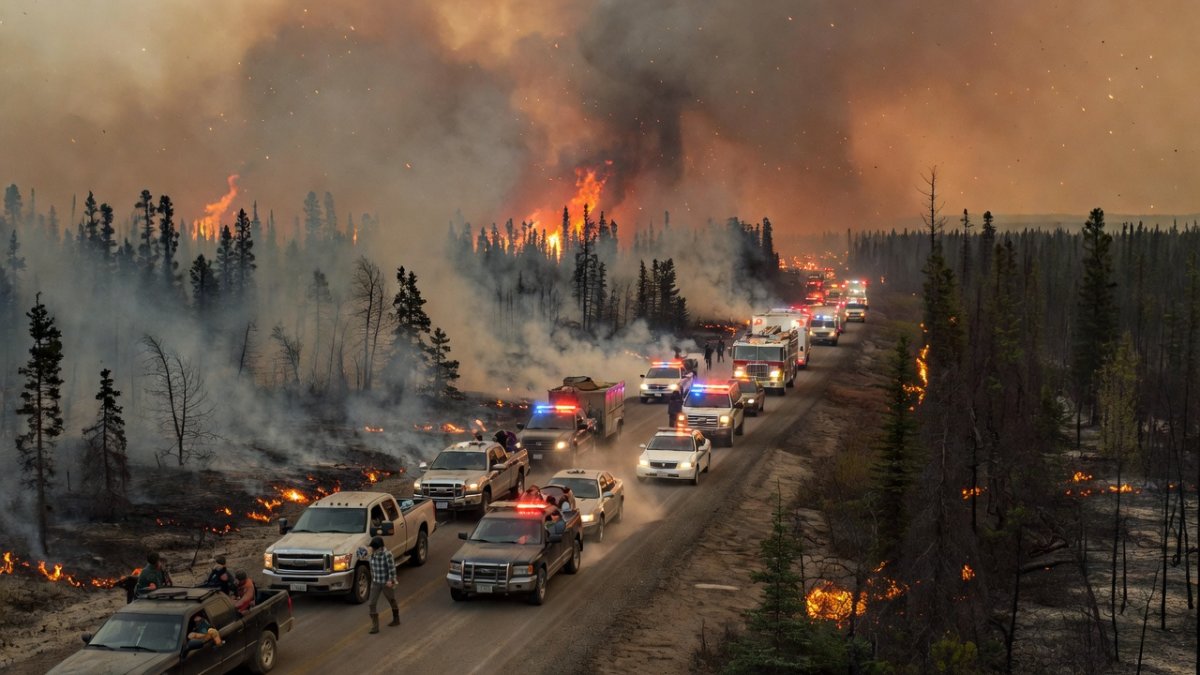
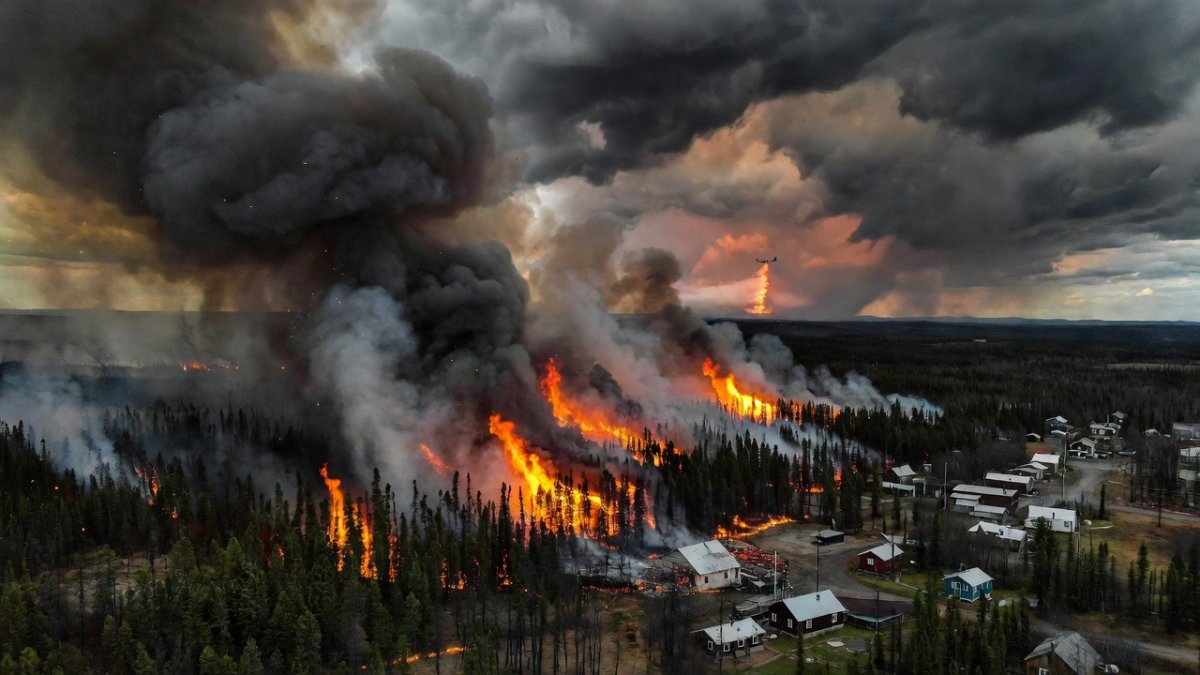
The Town of Labrador City declared a state of emergency on Monday after officials ordered residents out of three neighbouring cabin areas as a wildfire burned nearby. The fire was burning about eight kilometres west of Labrador City as of Monday afternoon according to Newfoundland and Labrador's Department of Forestry, Agriculture and Lands. This rapid development forced immediate action to protect lives in the affected zones.
The blaze was first reported earlier that day and water bombers were working to douse the flames from the outset. Officials asked residents to flee the cabin area of Walsh River just outside Labrador City as well as the neighbouring Tamarack Golf Course and the parks at Throne Lake and Duley Lake. The coordinated message emphasised urgency without providing additional operational details beyond the immediate need to depart.
Anyone in these areas should leave immediately as stated by the Forestry Department in its public communications. The situation unfolded in a region known for its remote character and proximity to natural landscapes that can fuel such events during dry periods. Local authorities focused on clear directives to ensure orderly movement away from the fire's path.
Labrador City itself sits near the boundary with Quebec and serves as a key population centre in western Labrador. The evacuation zones lie directly adjacent to the town limits creating a tight timeline for response. This event highlights the challenges of managing wildfires in areas where communities border extensive forested regions.
Evacuation Response
The Town of Labrador City asked residents to head to Labrador West which comprises the two mining towns of Labrador City and Wabush. A bus service was organised to assist those without personal transportation options during the movement. This measure aimed to support vulnerable individuals and maintain smooth traffic flow under emergency conditions.
The Royal Newfoundland Constabulary asked drivers to be patient and follow commands from emergency personnel at all times. For the safety of all do not stop or exit your vehicle on a roadway as emphasised in official posts from the force. Such guidance helps prevent congestion and reduces risks for both evacuees and responders working along the routes.
Government coordination involved multiple layers including the town administration and the provincial Forestry Department. These entities worked together to issue consistent messaging across social media platforms and local channels. The approach reflects standard practices in Canadian emergency management where provincial agencies lead initial wildfire responses.
Residents were encouraged to monitor updates from authorised sources rather than relying on unofficial channels. The bus service operated in tandem with personal vehicle evacuations to maximise capacity. Overall the response prioritised safety and compliance with directions from on-site personnel.
Impact on Labrador City and Wabush
Labrador City is a mining town near the boundary with Quebec and it was home to about 7,450 people as of the 2021 census. Its twin community of Wabush roughly five kilometres southeast has a population of about 1,975. These figures underscore the scale of the communities now directly affected by the evacuation order and state of emergency.
The local economy centres on mining operations that form the backbone of employment and regional development in western Labrador. Disruptions from wildfires can influence daily commutes supply chains and workforce availability in these interconnected towns. Federal-provincial relations often play a role in supporting resource communities during such incidents through shared emergency frameworks.
Evacuations place immediate strain on families and local services even when destinations remain within the broader Labrador West area. The proximity of Wabush offers a logical receiving point yet requires careful planning to accommodate displaced residents. Mining activities continue to define the identity and resilience of these places amid natural challenges.
Community behaviour during evacuations tends to reflect strong local ties and cooperation with authorities. The declaration of a state of emergency signals the seriousness with which officials view the threat to both people and infrastructure. Long-term recovery will likely involve assessments of any damage to cabin areas and parks once the fire situation stabilises.
Wildfire in Canadian Context
Wildfires represent a recurring feature across Canadian landscapes particularly in provinces with extensive boreal forests. Climate change contributes to longer fire seasons and altered weather patterns that can intensify such events. Labrador's position within this national picture connects the current incident to broader trends in emergency preparedness.
Federal and provincial governments collaborate on strategies to enhance detection and response capabilities in remote regions. Mining economies like those in Labrador City and Wabush depend on stable conditions for operations and worker safety. Preparedness measures include public education campaigns that encourage residents to follow evacuation orders promptly.
Across Canada provinces organise resources differently yet share common goals of protecting communities and natural assets. The Labrador situation illustrates how quickly a fire reported in the morning can necessitate afternoon evacuations. This dynamic reinforces the value of intergovernmental planning and clear communication protocols.
Emergency management practices evolve with lessons from past seasons to better address the intersection of climate factors and human settlement patterns. Canadians in similar environments are reminded of the importance of having personal plans ready. The focus remains on evidence-based approaches that balance economic activities with environmental realities.
Provincial and Federal Response
Newfoundland and Labrador's Department of Forestry, Agriculture and Lands played a central role by issuing timely updates on the fire's location and status. Water bombers were deployed promptly to support ground efforts in containing the spread. This provincial leadership aligns with Canada's division of responsibilities where provinces manage most wildfire suppression.
Interagency cooperation extended to local town officials and the Royal Newfoundland Constabulary ensuring unified messaging. Federal involvement often supplements these efforts through resources for larger incidents though specifics remain tied to the scale of the event. The emphasis stayed on immediate safety measures rather than long-range projections.
Coordination between levels of government helps address the unique challenges of Labrador's geography and climate. The Forestry Department utilised social media effectively to reach residents in the affected cabin zones. Such tools complement traditional emergency broadcasts in rural Canadian settings.
Provincial agencies continue to monitor conditions while federal partners stand ready to assist if requested. This layered response reflects established Canadian practices for handling natural disasters in resource-dependent regions. The priority throughout remains the protection of residents and the preservation of community stability.
What Happens Next
Monitoring of the wildfire will continue with suppression activities supported by water bombers as conditions allow. Officials will assess when it is safe for evacuees to return to the Walsh River Tamarack Golf Course Throne Lake and Duley Lake areas. Practical advice includes staying informed through official provincial and municipal channels.
Canadians in wildfire-prone zones are encouraged to review personal emergency kits and evacuation routes regularly. The Labrador City experience demonstrates the value of heeding early warnings and cooperating with police directions. Future preparedness may incorporate additional training for mining communities facing similar threats.
Suppression efforts will focus on preventing further growth while weather patterns are analysed for any shifts. Residents directed to Labrador West should follow local guidance on shelter and support services. This phase underscores the ongoing nature of emergency management beyond the initial declaration.
Broader lessons from the event can inform practices across Canada particularly in balancing resource extraction with environmental risks. Continued dialogue between federal provincial and municipal partners strengthens overall resilience. Individuals are advised to practise safe driving habits and respect all roadway instructions during any future movements.
Recovery planning will involve evaluating impacts on local parks and recreational sites once the immediate danger passes. The state of emergency provides the framework for sustained coordination until normal operations resume. Labrador's communities have shown capacity to adapt through previous challenges and this situation follows that pattern of measured response.
Tags: Labrador City wildfire, Newfoundland and Labrador evacuation, state of emergency, mining towns, water bombers, Labrador West, Walsh River cabins, emergency management, federal provincial coordination, Canadian wildfires, climate preparedness, mining economy, Royal Newfoundland Constabulary, forestry department, interagency response
By Alex Thompson, Staff WriterThis article was produced with AI-assisted research and editorial support. Reporting is based on sources cited in the article.
What's Your Reaction?
 Like
0
Like
0
 Dislike
0
Dislike
0
 Love
0
Love
0
 Funny
0
Funny
0
 Wow
0
Wow
0
 Sad
0
Sad
0
 Angry
0
Angry
0

Canada Correspondent at Global1.News. Based in Toronto, covering Canadian politics, energy, trade, and US-Canada relations. Provides the Canadian perspective on North American and global affairs.















Comments (0)