
Gulf of Paria widens as Trinidad pours oil on troubled Venezuelan waters
A Diplomatic Storm Brews Over the Gulf The waters between Trinidad and Tobago and Venezuela have long carried stories of shared fishing grounds and family ties across the Gulf of Paria. Now a fresh diplomatic row threatens to strain those bonds further. Caracas has formally demanded answers and compensation after claiming an oil spill on 1 May originated in Trinidadian waters a
A Diplomatic Storm Brews Over the Gulf
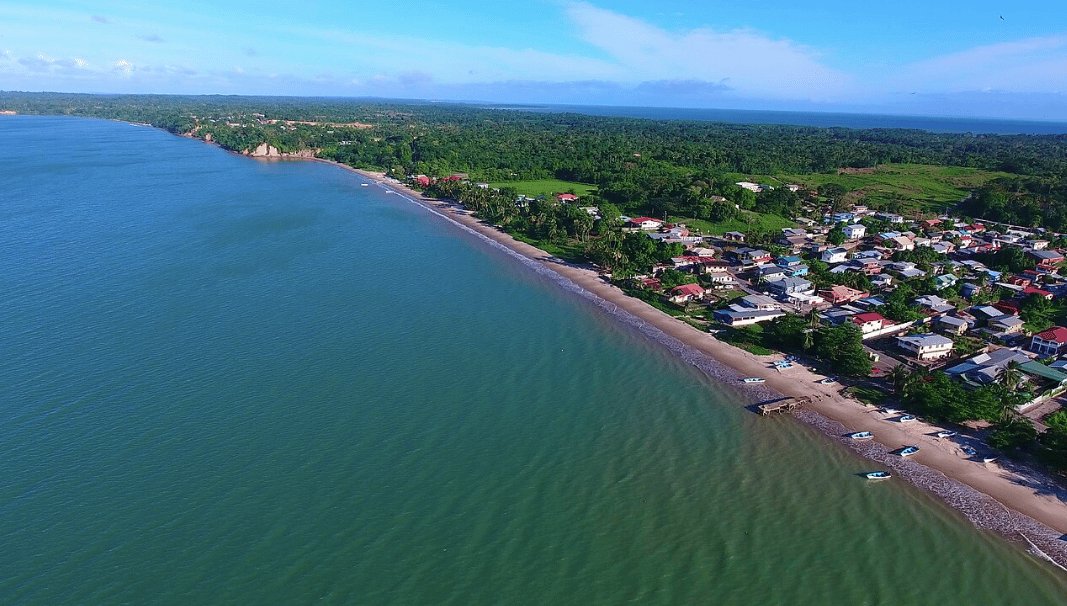
The waters between Trinidad and Tobago and Venezuela have long carried stories of shared fishing grounds and family ties across the Gulf of Paria. Now a fresh diplomatic row threatens to strain those bonds further. Caracas has formally demanded answers and compensation after claiming an oil spill on 1 May originated in Trinidadian waters and now endangers shared marine life. Port of Spain rejects the accusation outright, insisting the incident involved only ten barrels and was contained swiftly.
Maritime boundary disputes in the Gulf stretch back decades, rooted in fishing rights and energy exploration. Communities on both sides remember times when fishermen from Trinidad would share catches with Venezuelan neighbours during lean seasons. Today those same communities watch nervously as official statements fly back and forth. The latest exchange highlights how even small incidents can reopen old wounds in a region where livelihoods depend on the sea.
Trinidad and Tobago officials have emphasised their commitment to transparency while defending the integrity of local regulatory checks. Meanwhile Venezuelan authorities point to potential damage reaching their coastline. Caribbean diaspora groups in London, Toronto and New York have begun following the story closely, organising online forums to discuss what the spill might mean for relatives still living along the Gulf.
What Actually Happened on 1 May
According to Trinidadian reports, a routine inspection on an offshore platform detected a minor leak early on the morning of 1 May. Crews responded within hours, deploying booms and skimmers that recovered the estimated ten barrels before the slick could spread far. The energy ministry described the event as one of the smallest recorded in recent years and stressed that no lasting harm reached Trinidadian shores.
Details released so far indicate the spill occurred during maintenance work on a wellhead. Operators followed standard protocols, notifying the relevant authorities immediately. Environmental officers from the Environmental Management Authority visited the site the same day and confirmed the containment measures had worked effectively. Local fishermen operating near the area reported seeing only faint traces of sheen that disappeared by the following afternoon.
Venezuelan monitoring stations, however, claim they detected oil moving westward across the maritime boundary within forty-eight hours. Satellite imagery shared by Caracas appears to show a thin trail extending toward their territorial waters. Trinidadian experts counter that currents in the Gulf often create misleading patterns and that independent verification is still underway.
Venezuela's Case: Compensation and Transparency
Caracas has called for full disclosure of maintenance logs and an independent assessment of any ecological harm. Officials argue that even small quantities of oil can disrupt the delicate balance of the Gulf ecosystem, particularly during spawning seasons for key fish species. They have requested compensation to cover potential losses to Venezuelan fishing communities that rely on the shared waters.
The Venezuelan position draws on historical grievances over resource management in the Gulf. Past incidents, though smaller in scale, left lasting memories among coastal villages where families have fished for generations. Caracas insists that transparency now will prevent larger disputes later and strengthen trust between the two nations.
Regional observers note that Venezuela's request aligns with broader calls for stronger environmental safeguards among small island developing states. CARICOM environmental protocols encourage joint monitoring, yet practical cooperation has sometimes lagged behind the paperwork. The current demand places renewed pressure on both governments to demonstrate good faith.
Trinidad's Defence: A Minor Incident, Overblown
Trinidadian authorities maintain that the spill was minor and quickly contained, describing Venezuelan concerns as disproportionate. They point to robust regulatory frameworks governing the offshore energy sector and note that similar incidents elsewhere have been handled without international fanfare. The ten barrels recovered represent a fraction of daily production volumes in the Gulf.
Officials have invited Venezuelan representatives to review data collected during the response. They argue that open sharing of information will clarify the facts and reduce unnecessary tension. Energy sector leaders in Port of Spain emphasise that Trinidad's offshore operations undergo regular audits and meet international safety standards.
Community voices in south Trinidad echo the government's stance while expressing sympathy for neighbours across the water. Fishermen here understand how rumours can travel faster than facts, especially when livelihoods feel threatened. Many hope the two sides will sit down soon to compare notes rather than exchange statements through the media.
The Gulf of Paria: A Shared Ecosystem Under Strain
The Gulf of Paria supports rich biodiversity that sustains both nations. Mangrove forests along the coastline act as nurseries for shrimp and finfish, while deeper waters host migratory species important to commercial fleets. Decades of energy development have already placed pressure on these habitats, making any new spill a cause for concern among scientists and residents alike.
Fishing communities on Trinidad's western coast describe changes in catch sizes over recent years. They link some of these shifts to cumulative impacts from exploration activities and changing ocean temperatures. Venezuelan villages report similar patterns, underscoring the truly transboundary nature of the ecosystem.
Environmental groups in both countries have long advocated for joint monitoring programmes. Such initiatives could provide early warnings and build confidence when incidents occur. The current episode may serve as a catalyst for renewed cooperation if handled with care and mutual respect.
Energy, Economics and the Cost of Living
Trinidad's offshore energy sector remains central to the national economy, providing jobs and government revenue that help stabilise the cost of living. Any perception of environmental risk can affect investor confidence and, by extension, household budgets. The fishing industry, though smaller, supports thousands of families directly and contributes to food security across the islands.
Tourism operators in Tobago watch developments closely, aware that negative headlines about pollution can deter visitors even when incidents occur far from their beaches. A prolonged diplomatic dispute might indirectly influence bookings during the upcoming season. Local businesses already navigating high import costs hope for a swift resolution.
Venezuelan communities similarly depend on Gulf resources for income and sustenance. Compensation discussions therefore carry real weight beyond the negotiating table. Both governments face pressure to protect citizens' daily realities while managing international relations.
Regional Cooperation: Can CARICOM Help?
CARICOM mechanisms exist precisely for moments like these, offering frameworks for environmental dialogue and dispute resolution. Member states have previously collaborated on oil spill preparedness exercises, sharing equipment and expertise. Invoking these protocols could provide a neutral space for Trinidad and Venezuela to address concerns without escalating rhetoric.
Some regional leaders have already signalled willingness to facilitate talks. They recognise that small island developing states face common vulnerabilities and benefit from standing together. Practical steps might include joint patrols or shared data platforms that build trust over time.
Diaspora communities across the Caribbean and beyond have urged calm and constructive engagement. They remember how cultural and family connections across the Gulf have endured political ups and downs. A cooperative approach now could strengthen those ties rather than strain them further.
What Happens Next
Both nations have indicated they will continue exchanging information through diplomatic channels. Trinidadian regulators plan additional sampling to confirm containment success, while Venezuelan teams monitor their coastline for any signs of impact. The coming weeks will reveal whether technical discussions can ease political tensions.
Community organisations on both sides are preparing public forums to keep residents informed. Fishermen, in particular, want clear guidance on any temporary restrictions and reassurance that their concerns are being heard. Transparent updates will help maintain calm in coastal villages.
Ultimately the episode tests the maturity of bilateral relations in a region where shared waters demand shared responsibility. With goodwill and steady communication, Trinidad and Venezuela can turn this moment into an opportunity for stronger environmental partnership that benefits families on both shores of the Gulf of Paria.
By Sharon Sahatoo, Staff WriterThis article was produced with AI-assisted research and editorial support. Reporting is based on sources cited in the article.
What's Your Reaction?
 Like
0
Like
0
 Dislike
0
Dislike
0
 Love
0
Love
0
 Funny
0
Funny
0
 Wow
0
Wow
0
 Sad
0
Sad
0
 Angry
0
Angry
0

Caribbean Correspondent at Global1.News. Based in Port of Spain, Trinidad, covering Caribbean politics, economy, energy, climate, and culture. Amplifying the voices and stories of the Caribbean region.










Comments (0)