
Kouman x Brussels: The Ivorian Podcast Teaching Young Africans to Survive and Thrive Online
An award-winning Congolese rapper, a Congolese-Belgian digital creator, and an Ivorian comedian walked into a Brussels auditorium — not for a punchline, but for a conversation that may reshape how young Africans navigate the digital age. The gathering, part of the Kouman x Brussels initiative, turned L'Horloge du Sud into a laboratory for ideas about resilience, identity, and t
An award-winning Congolese rapper, a Congolese-Belgian digital creator, and an Ivorian comedian walked into a Brussels auditorium — not for a punchline, but for a conversation that may reshape how young Africans navigate the digital age. The gathering, part of the Kouman x Brussels initiative, turned L'Horloge du Sud into a laboratory for ideas about resilience, identity, and the future of online civic life for a generation coming of age in full view of the world's screens.
Kouman x Brussels: How an Ivorian Podcast Is Teaching Young Africans to Survive and Thrive Online
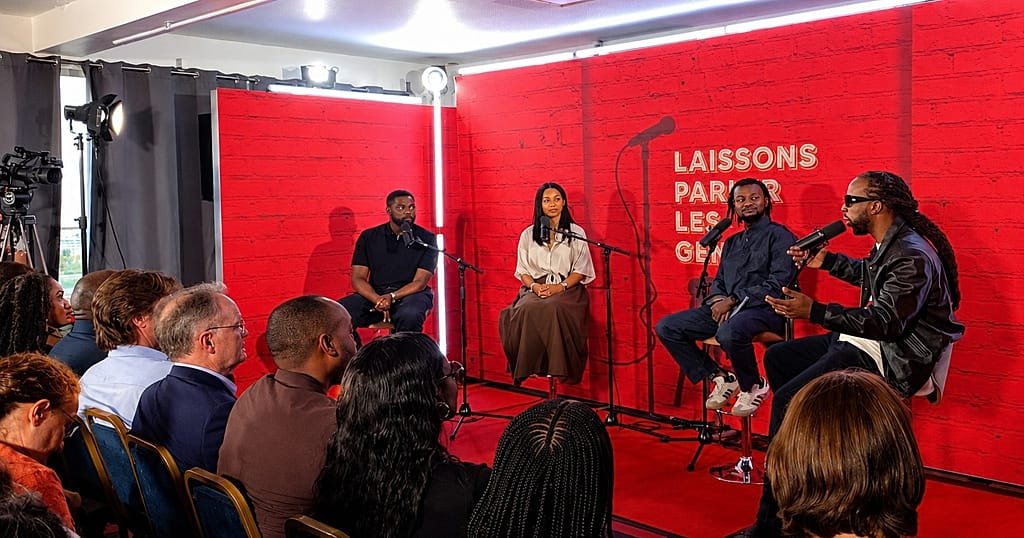
Brussels, Belgium — On June 4, 2026, the Kouman x Brussels initiative brought the Ivorian podcast Laissons Parler les Gens to L'Horloge du Sud in Brussels, Belgium, showing how African digital voices can guide youth through online challenges. Supported by CFI Médias #Kouman project and the European Union, the event connected researchers and institutional actors with the African diaspora in Europe's capital. It highlighted the podcast's role in fostering unfiltered talks on issues mainstream media often overlooks.
Laissons Parler les Gens — The Podcast That Became a Movement
Laissons Parler les Gens, which translates to "Let the People Speak" in French, is an Ivorian podcast that uses digital storytelling, humour, and culture to engage youth across the continent. Created by Istorias Media, the show features hosts Clentelex d'Abobo, Audrey Likound, and Wilhem Ngoumou who speak in raw conversational style laced with Nouchi, the Ivorian street slang that makes listeners feel at home.
The podcast has achieved explosive growth with more than 20 million views and over 100,000 subscribers in under two years. This rapid rise shows how young Africans crave spaces for honest discussion on topics that traditional outlets avoid. Istorias Media co-founder Marta Rodriguez Martinez has noted that the format gives voice to everyday concerns without filters.
Through episodes that mix laughter with serious debate, Laissons Parler les Gens tackles social issues head-on. The use of Nouchi keeps the language accessible and rooted in Abidjan's streets, drawing in listeners who might otherwise tune out formal media. This approach has turned the podcast into a genuine movement rather than just another show.
Listeners tune in because the hosts address hate speech, mental health struggles, and daily pressures with humour that feels familiar. The cultural significance lies in how Nouchi slang bridges generations and regions, making complex topics feel like a conversation among friends in a Dakar or Abidjan courtyard.
The show's success stems from its refusal to shy away from realities young people face online every day. By creating these unfiltered spaces, Laissons Parler les Gens has become essential listening for those seeking both entertainment and guidance in the digital age.
Istorias Media built the podcast to fill gaps left by mainstream coverage, and the numbers prove the demand. With its blend of street language and honest talk, the program continues to expand its reach far beyond Côte d'Ivoire.
From Abidjan to Brussels — A Diaspora Bridge
The Kouman x Brussels initiative, held on June 4, 2026, at L'Horloge du Sud in Brussels, Belgium, extended the reach of Laissons Parler les Gens into Europe's capital. CFI, the French media development agency, backed the event through its #Kouman project with support from the European Union, bringing together researchers and institutional actors for meaningful exchange.
Brussels, home to a large African diaspora, provided the perfect setting for these conversations. Participants gathered in a listening club format where they discussed specific podcast episodes on hate speech and malicious AI-generated content. This format encouraged direct feedback between creators and listeners living far from Abidjan.
The event demonstrated how African media projects can travel across continents while staying grounded in local realities. CFI Médias involvement ensured professional facilitation, allowing the Ivorian podcast to connect with institutional voices in Belgium. Young people from the diaspora found familiar themes in the episodes shared that day.
By hosting the workshop at L'Horloge du Sud, organizers created an intimate space that mirrored the podcast's conversational tone. The European Union funding helped cover logistics, making it possible for hosts and guests to travel and engage directly with Brussels audiences. This bridge strengthens ties between African creators and their communities abroad.
The listening club sessions focused on practical strategies for handling online pressures, drawing from episodes that had already resonated widely. Researchers present noted how the podcast's Nouchi-driven style translates effectively even in European settings. Institutional actors gained fresh insights into the digital lives of African youth.
Such initiatives show the value of sustained support from organizations like CFI Médias. The June 4 gathering proved that diaspora events can amplify African voices while addressing shared challenges across borders.
Youssoupha's Voice — Navigating the Storm Without Losing Yourself
Award-winning Congolese rapper Youssoupha joined the conversation at L'Horloge du Sud, bringing his perspective on resilience to the Kouman x Brussels audience. He urged young people to focus on the positive through hard times rather than letting difficulties define their path forward.
Youssoupha reminded participants that challenges persist across eras. He stated plainly that the hard times are always going to be there no matter the era, yet this reality should not stop anyone from seeking growth. His words grounded the discussion in lived experience from the music industry and beyond.
The rapper emphasized moving forward with the people who encourage us, the resources, the talents, and the strengths available. This message resonated with attendees who often feel isolated in their online struggles. Youssoupha's presence connected the podcast's themes to broader African artistic traditions of perseverance.
He made clear that everything that doesn't help us move forward is useless. This straightforward advice cut through abstract talk about digital life and offered concrete guidance for daily decisions. Listeners from the diaspora appreciated hearing such direct counsel from a respected voice in Congolese music.
Youssoupha's contribution highlighted how artists can shape conversations about mental health and online navigation. His focus on encouragement and useful resources aligned closely with the podcast's goal of building practical resilience among young Africans.
Through his participation, the event gained depth from someone who has navigated public storms while maintaining artistic integrity. Youssoupha's insights reinforced why projects like Kouman x Brussels matter for the next generation.
Vanessa Caixeiro and Sacko Camara — Two Sides of the Same Digital Coin
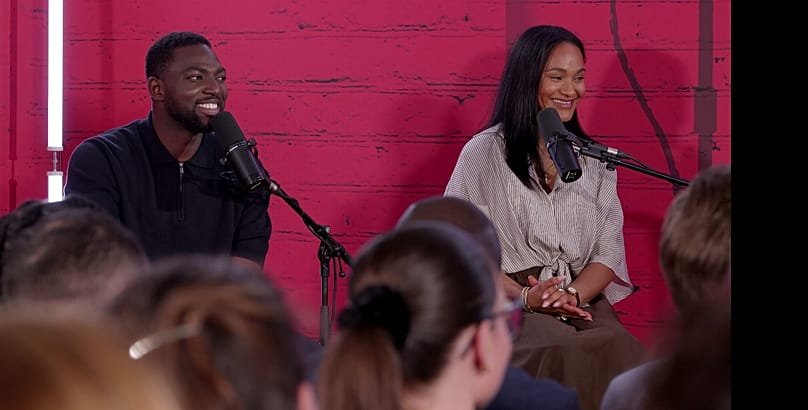
Congolese-Belgian digital creator Vanessa Caixeiro, host of the podcast Les Confessions de Vanessa, warned participants that social media is like a double-edged sword that can either make you or break you. Her experience building an audience in Brussels gave weight to this caution during the live discussion.
Vanessa stressed that there is no success without a struggle, noting that success that comes easily today will lead to a big fall tomorrow. She encouraged young creators to build foundations slowly rather than chasing quick validation online. Her words connected directly to the pressures many African youth face on platforms like Instagram.
Ivorian-French comedian Sacko Camara offered a complementary view on the psychology of online trolls. He explained that when people attack you online, they are not attacking who you really are but rather the image they have built up of you. This framework helps separate personal worth from digital noise.
Sacko Camara shared how humour serves as a tool for emotional self-preservation in the face of such attacks. His comedic background allowed him to illustrate the point with relatable examples drawn from his own career across France and Côte d'Ivoire. Attendees left with clearer strategies for protecting their peace.
Together, Vanessa and Sacko showed two sides of navigating digital spaces: one focused on long-term resilience and the other on immediate emotional boundaries. Their combined insights enriched the listening club sessions at L'Horloge du Sud.
Their participation demonstrated how diaspora voices strengthen the conversation started by Laissons Parler les Gens. Both creators brought practical wisdom that young Africans can apply immediately in their own online lives.
The Numbers Behind the Crisis — Cyberbullying in Africa
UNICEF statistics reveal that 34 percent of Sub-Saharan Africa respondents reported online bullying in a 2019 poll, underscoring the scale of the challenge. Primary platforms involved include Facebook, Instagram, Snapchat, and Twitter, where young users spend significant time. These figures framed much of the discussion at the Kouman x Brussels event.
Brussels-based actress Blessing Ngoy spoke about how young people are trying to make a difference despite these pressures. She expressed belief that society should rely on these young people and trust them more to shape solutions. Her comments highlighted the agency already present in African communities.
Marta Rodriguez Martinez of Istorias Media noted that the podcast creates space for these young people to express themselves freely. This approach directly counters the isolation many feel after experiencing cyberbullying on major platforms. The listening club format allowed participants to process these statistics together.
The data on Facebook, Instagram, Snapchat, and Twitter shows that bullying crosses borders and affects diaspora youth as much as those in Abidjan. Events like the June 4 workshop bring these numbers into human focus through personal stories and strategies shared by guests.
Blessing Ngoy's emphasis on living together while healing past wounds connected the cyberbullying discussion to broader social goals. Her perspective as a Brussels-based actress added local relevance for the African diaspora audience present.
By grounding the conversation in UNICEF findings and real platform experiences, the event moved beyond awareness to actionable dialogue. Participants left better equipped to recognize and respond to online harm.
What This Means for Africa's Digital Future
International development expert Mame Peya Diaw called the project really important for African youth because it helps raise awareness, communicate, and provide many prospects. Her assessment captured the broader stakes of the Kouman x Brussels gathering at L'Horloge du Sud.
African digital storytelling and podcasting continue to grow rapidly, with shows like Laissons Parler les Gens leading the way. The challenge of malicious AI-generated content alongside online hate speech makes such platforms even more vital for young creators seeking safe spaces.
The importance of young people becoming creators rather than just consumers of digital content stood out throughout the day. Projects supported by CFI Médias and the European Union demonstrate how external funding can combine with African creativity to produce meaningful results.
Mame Peya Diaw's comments on prospects point to economic and social opportunities that emerge when youth gain tools to navigate online life. The workshop showed how listening clubs can turn passive listeners into active participants in shaping digital norms.
The combination of European support and Ivorian storytelling offers a model for future collaborations across the continent. As AI tools spread, the need for culturally grounded guidance on hate speech and mental health will only increase.
Events like this one in Brussels signal that Africa's digital future will be shaped by those who create content with intention and community focus. The prospects Mame Peya Diaw mentioned are already taking form through initiatives like Kouman x Brussels.
The Road Ahead
What comes next for Laissons Parler les Gens and similar African podcasts includes expanding diaspora-bridge initiatives that connect creators with audiences in Europe and beyond. The economic opportunity in African digital content creation grows clearer as shows reach millions of views and build loyal subscriber bases.
These platforms enable ongoing conversations about gender-based violence and mental health that mainstream outlets have long neglected. Young Africans gain spaces to process experiences and develop collective strategies for well-being.
The lesson for African youth centers on owning their narratives online rather than letting external images define them. Sacko Camara's framework and Vanessa Caixeiro's warnings provide practical starting points for this ownership.
More events modeled on the June 4 workshop at L'Horloge du Sud could multiply these benefits across additional cities with strong African communities. CFI Médias support has already proven effective in facilitating such exchanges.
From a Senegalese perspective, the creative resilience on display in Brussels echoes the spirit found in Dakar’s own vibrant media scene. Young people across the continent continue to turn challenges into opportunities through humour, storytelling, and honest dialogue.
The road ahead looks promising because African voices like those behind Laissons Parler les Gens refuse to be silenced by digital storms. Their work builds a foundation where the next generation can thrive while staying rooted in culture and community.
By Amara Diop, Staff Writer
This article was produced with AI-assisted research and editorial support. Reporting is based on sources cited in the article.
What's Your Reaction?
 Like
0
Like
0
 Dislike
0
Dislike
0
 Love
0
Love
0
 Funny
0
Funny
0
 Wow
0
Wow
0
 Sad
0
Sad
0
 Angry
0
Angry
0
West Africa/Sahel Correspondent at Global1.News. Dakar-based journalist covering politics, security, climate, and development across Francophone and Anglophone West Africa. Tells the stories of a region undergoing profound transformation.











Comments (0)