
Jonvic tells Jinggoy: Surrender or be arrested
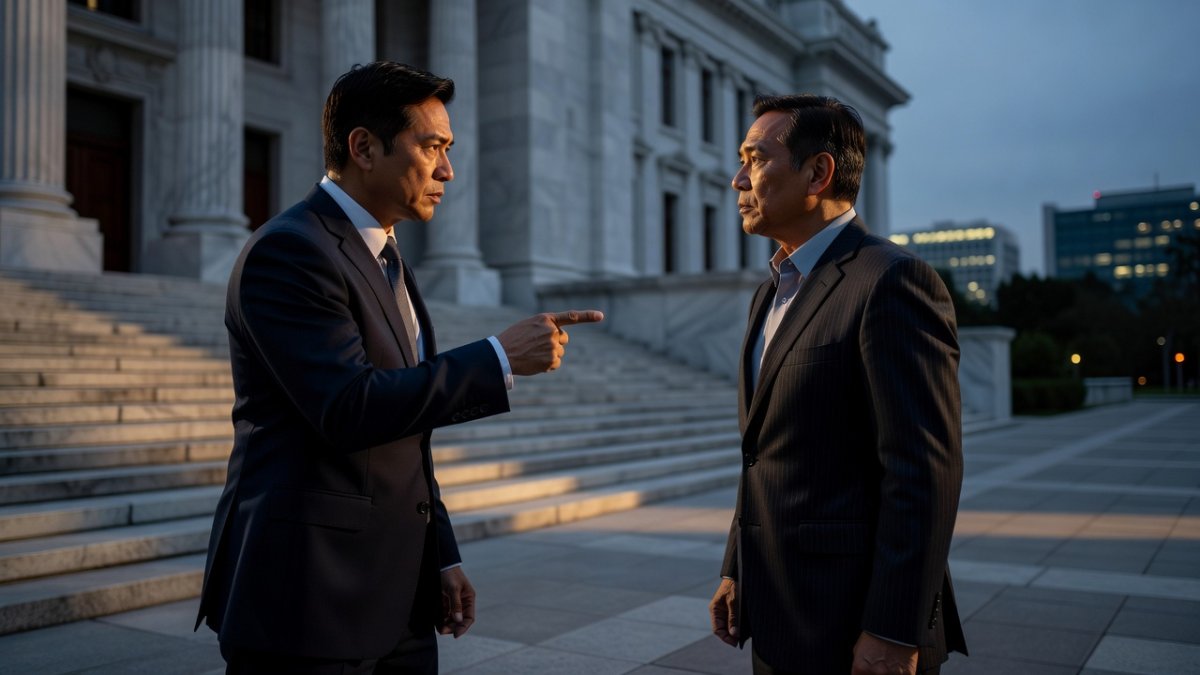
Remulla Issues Surrender-or-Arrest Ultimatum to Sen. Jinggoy Estrada Over Pending Cases
Interior and Local Government Secretary Jonvic Remulla has given Senator Jinggoy Estrada a direct choice: surrender voluntarily or face arrest. The statement, delivered during a press briefing in Manila on October 10, underscores the Department of the Interior and Local Government's (DILG) push to enforce outstanding warrants tied to corruption allegations. Estrada, however, has deferred any decision, citing a knee injury that he claims requires immediate surgery.
Details of the Ultimatum
Secretary Remulla stated that law enforcement officers stand ready to serve the warrants without delay. "I have offered the senator two clear options—to surrender or be arrested," Remulla said. "The choice rests with him, but the rule of law does not pause for personal convenience." The DILG chief emphasized that medical concerns would be addressed after compliance, with Estrada to receive treatment under supervised conditions if needed.
Remulla's remarks come amid renewed enforcement efforts against high-profile figures linked to past plunder and graft cases. Estrada faces multiple charges stemming from the Priority Development Assistance Fund (PDAF) scam, with some counts still active in Sandiganbayan proceedings. Official records show at least three pending warrants related to misuse of public funds totaling over PHP 180 million in alleged kickbacks.
Estrada's Position and Medical Claim
Senator Estrada's camp responded that surgery on his right knee, injured during a prior legislative trip, takes precedence. In a statement released through his office, Estrada said doctors have scheduled the procedure for the coming week and that travel or detention could complicate recovery. He requested a temporary deferment until post-operative clearance.
Medical documentation submitted to the Sandiganbayan includes MRI results and a surgeon's recommendation for arthroscopic intervention. Prosecutors, however, have questioned the timing, noting that Estrada has appeared in Senate sessions without prior mention of mobility restrictions. Court observers point out that similar health-based requests in high-profile cases have often extended timelines by months.
Background on the Cases
The PDAF scam, exposed in 2013, involved lawmakers allegedly channeling development funds to ghost projects through bogus non-governmental organizations. Estrada was among several senators charged alongside businesswoman Janet Napoles. While some counts resulted in acquittals or dismissals, remaining cases center on specific allocations from 2004 to 2010. The Commission on Audit has flagged PHP 10.2 billion in total anomalous transactions across all involved legislators.
Estrada's father, former President Joseph "Erap" Estrada, faced his own plunder conviction in 2007 before receiving a presidential pardon. This family history adds layers to public scrutiny of the current proceedings. Data from the Office of the Ombudsman indicate that only 12 percent of corruption cases filed against sitting or former legislators since 2000 have reached final conviction, highlighting persistent challenges in accountability.
Political and Institutional Context
The exchange occurs against a backdrop of the Marcos administration's stated commitment to strengthen anti-corruption mechanisms. Remulla, appointed in 2022, has overseen the reactivation of 47 dormant warrants involving elected officials. Government statistics released in September show a 23 percent increase in arrests of mid-level public servants accused of graft compared with the prior year.
Analysts note that Estrada's dual role as senator and potential 2025 reelection candidate complicates enforcement. Senate leadership has remained silent, though internal rules allow members under arrest to retain seats pending final judgment. Political scientist Dr. Elena Santos of the University of the Philippines observed that such cases test the balance between legislative immunity claims and judicial mandates.
Expert Perspectives on Legal Implications
Constitutional lawyer Atty. Ramon Velasco explained that health-related deferments require Sandiganbayan approval and do not nullify warrants. "The court must weigh flight risk against documented medical need," Velasco said. "Past rulings show that surgery alone rarely halts arrest if the accused can receive care in custody."
Anti-corruption advocate and former Ombudsman investigator Maria Santos-Cruz added that voluntary surrender often factors into sentencing considerations. "Cooperation signals acceptance of accountability, which can influence penalties," she noted. Her organization tracks over 200 pending cases involving legislators, with conviction rates remaining below 15 percent due to procedural delays averaging 8.4 years.
Broader Implications for Philippine Democracy
This development highlights ongoing tensions between political dynasties and institutional reforms. Estrada's situation reflects patterns where family networks have historically navigated legal challenges through appeals and health claims. Public trust surveys by Pulse Asia in August recorded only 34 percent confidence in the Senate's ability to police its members, down from 47 percent in 2019.
Justice advocates argue that consistent enforcement, regardless of stature, strengthens democratic norms. Remulla's approach signals a shift from selective prosecution, yet critics warn of risks if medical excuses become routine loopholes. Data from the Bureau of Corrections shows that 62 percent of detained public officials since 2016 received medical furloughs averaging 47 days.
The case also carries electoral weight. With midterm polls approaching, Estrada's legal status could affect voter perceptions of dynastic accountability. Civil society groups have called for live-streamed court hearings to ensure transparency.
Public and International Reactions
Social media trends in the Philippines show divided opinions, with hashtags referencing both "justice" and "due process" trending alongside the story. International observers, including the Asian Human Rights Commission, have urged swift resolution without undue delays. Regional corruption indices place the Philippines at 115th out of 180 countries in Transparency International's 2023 ranking, citing elite impunity as a key factor.
Remulla reiterated that law enforcement remains prepared for any scenario. "No one is above the law," he stated, echoing the administration's platform on democratic integrity.
This is Bella Reyes for Global1 News, reporting from Manila. 🇵🇭
This article was produced with AI-assisted research and editorial support. Reporting is based on sources cited in the article.
What's Your Reaction?
 Like
0
Like
0
 Dislike
0
Dislike
0
 Love
0
Love
0
 Funny
0
Funny
0
 Wow
0
Wow
0
 Sad
0
Sad
0
 Angry
0
Angry
0

Philippines/Southeast Asia Correspondent at Global1.News. Manila-based journalist covering Philippine politics, environment, maritime security, and social issues. Passionate about marine conservation and the communities protecting the Philippines' natural heritage.















Comments (0)