
Guadalajara Water Crisis: Citizens Lead Monitoring Push
**Keywords:** Guadalajara water crisis, SIAPA, citizen science, Jalisco water, COPRISJAL, ITESO, IMDEC, Pablo Lemus, public health alert, colonias families, water monitoring network Guadalajara's Tap Water Crisis: Citizens Take Action In the colonias that ring Guadalajara, families wake each morning to the same uncertain ritual. Mothers in neighborhoods across the metropolitan
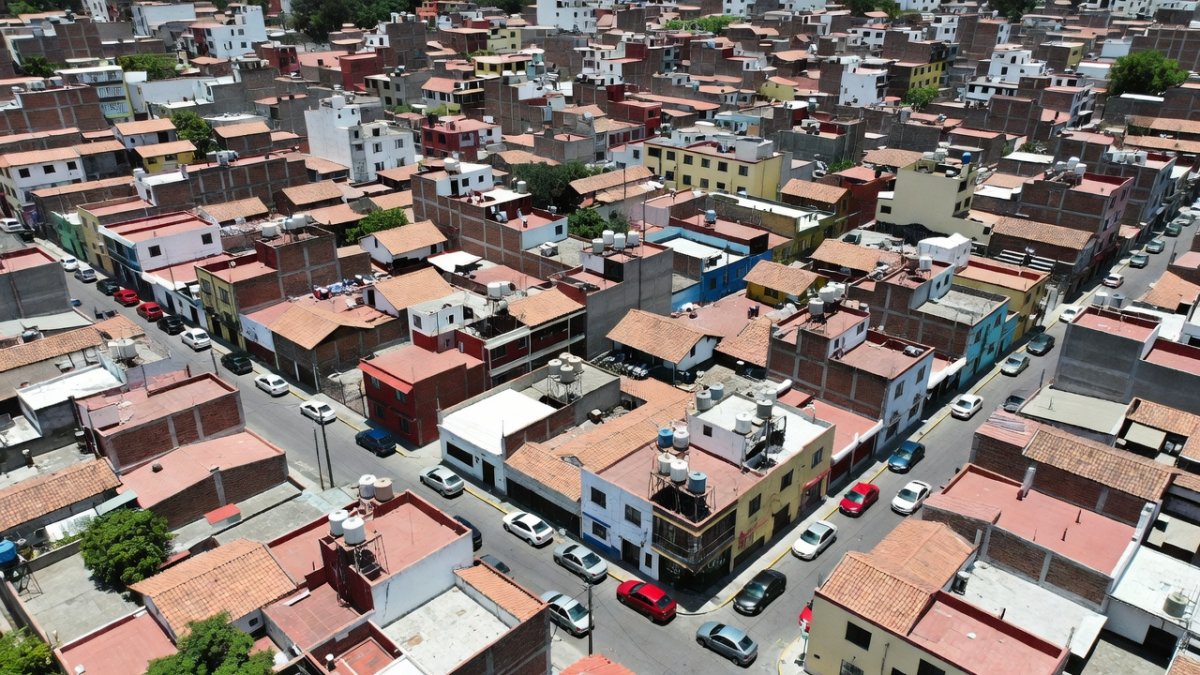
Guadalajara's Tap Water Crisis: Citizens Take Action
In the colonias that ring Guadalajara, families wake each morning to the same uncertain ritual. Mothers in neighborhoods across the metropolitan area turn on kitchen taps and watch as water runs cloudy or carries an unfamiliar odor. These ordinary households, many headed by small business owners and teachers, have grown accustomed to uncertainty about what reaches their glasses and cooking pots. The absence of clear information from SIAPA has left them turning to one another for answers.
Community life in these colonias often revolves around shared concerns discussed at the tianguis or after the daily mañanera. Now the conversation centers on water. Parents compare notes about children's stomach complaints while workers heading to early shifts wonder whether the water they use to prepare food is safe. This collective worry has drawn together students, retirees, and neighborhood leaders who once focused on local festivals or school improvements.
The response has been practical and organized. Volunteers have formed monitoring teams that move through streets with sample bottles, recording conditions house by house. Their work connects directly to Mexico's tradition of community solidarity, where families support one another when official channels fall short. The effort has already produced technical reports delivered to COPRISJAL and the National Institute of Public Health.
The Spark: From March to Movement
Four months ago the first large public action took shape under the banner "Mas Agua, Menos Mundial." Hundreds of residents marched through the city center carrying bottles of discolored tap water and jars holding visible sediment. The demonstration highlighted immediate health concerns including rashes, stomach illnesses, and respiratory problems that families linked to the water coming from their faucets.
That march marked the beginning of sustained organizing. Neighborhood groups quickly formed two coordinated campaigns: "The SIAPA We Want" and "Corrupt SIAPA." These efforts brought together more than thirty organizations representing universities, environmental advocates, and labor unions. The groups began training residents as water monitors and collecting samples systematically across the Guadalajara metropolitan area.
Support from IMDEC and academics at ITESO gave the movement technical grounding. Volunteers learned standardized sampling methods and worked alongside university researchers to document conditions. The coalition soon prepared a collective complaint supported by more than 1,500 signatures and delivered it along with a technical report to state and federal health authorities.
Community Science Fills the Transparency Gap
Citizen science has become the movement's most visible strength. Volunteers receive training in proper collection techniques and then gather samples in their own colonias. Their most recent report examined 184 samples taken from 90 neighborhoods between March and June. The findings showed that 93 percent of samples contained no detectable residual chlorine, removing the basic protection against microbial contamination that residents expect from treated water.
Additional testing revealed the presence of lead, mercury, nitrates, fluorides, and coliform bacteria in some samples. These results prompted immediate calls for accredited laboratory confirmation. Diego Rico of the Metropolitan Neighborhood Water Monitoring Network explained at a press conference held at the state congress building that the work began because SIAPA provided no official information and offered no transparency about water contents.
The monitoring network now operates as a permanent community resource. Families in participating colonias know they can contact trained neighbors for testing rather than waiting for official reports. This approach reflects long-standing Mexican practices of mutual aid, where communities organize when institutions do not respond promptly. The data collected has already shaped petitions demanding independent testing and a preventive public health alert.
Health Impacts on Guadalajara Families
Documented health complaints have multiplied since the crisis became public. Hundreds of residents have reported rashes, digestive problems, and breathing difficulties they associate with tap water. In households across the metropolitan area, mothers track symptoms in children while workers miss shifts because of illness. These personal accounts form the human core of the technical reports submitted to COPRISJAL and the National Institute of Public Health.
Small business owners who prepare food or sell drinks at local markets face additional pressure. They must decide daily whether to continue using tap water or purchase alternatives, affecting both family budgets and customer trust. Teachers in neighborhood schools have noticed students arriving with stomach complaints that disrupt classes. The cumulative effect touches every aspect of daily life in the colonias.
The coalition has emphasized that these complaints require official investigation rather than dismissal. By compiling individual stories alongside laboratory results, the groups have created a record that health authorities cannot ignore. The demand for a public health alert stems directly from this growing body of evidence gathered by residents themselves.
Government Responds as Pressure Mounts
Gov. Pablo Lemus has acknowledged the crisis and announced a 20 billion peso plan to overhaul Guadalajara's aging water infrastructure. The Jalisco state government has described the investment as a long-term solution to years of neglect at SIAPA. Citizens welcome the funding commitment yet continue to insist that promises alone cannot address immediate health risks.
The coalition maintains that transparency and independent testing must accompany any infrastructure plan. Representatives have delivered technical reports and petitions to COPRISJAL, federal health authorities, and the National Institute of Public Health. They argue that accountability for past management failures at SIAPA is essential before new resources are allocated.
Political dynamics in Jalisco now include sustained citizen oversight. Neighborhood organizations have announced they will conduct their own evaluation of the new SIAPA director. This level of public engagement reflects the determination of ordinary families to remain involved rather than accept top-down decisions without input.
What Comes Next for Water Justice
The coalition has scheduled a series of public actions throughout July. The first demonstration will take place outside COPRISJAL to demand that authorities declare a public health emergency. Additional steps include filing a collective human rights complaint against SIAPA and organizing a protest focused on unresolved corruption cases involving former directors.
Practical guidance for families continues to circulate through neighborhood networks. Residents are encouraged to document any health symptoms and to participate in upcoming sampling rounds. The monitoring network provides training so that more colonias can join the effort and contribute data to future reports.
Longer-term goals center on structural change at SIAPA. The coalition seeks a citizen evaluation process for leadership and sustained pressure for independent oversight. By combining community science with legal and public actions, Guadalajara residents are building a model of water justice rooted in the daily realities of families who depend on safe tap water for their health and livelihoods.
By Rosa Martinez, Staff Writer
Tags: Guadalajara water crisis, SIAPA, citizen science, Jalisco water, COPRISJAL, ITESO, IMDEC, Pablo Lemus, public health alert, colonias families, water monitoring network
This article was produced with AI-assisted research and editorial support. Reporting is based on sources cited in the article.
What's Your Reaction?
 Like
0
Like
0
 Dislike
0
Dislike
0
 Love
0
Love
0
 Funny
0
Funny
0
 Wow
0
Wow
0
 Sad
0
Sad
0
 Angry
0
Angry
0
Latin America/Andes Correspondent at Global1.News. Based in Bogota, covering politics, environment, energy, and social movements across the Andean region. Passionate about environmental journalism and communities protecting their land.












Comments (0)