
NBI Agent's Testimony Bolsters Impeachment Case Against Vice President Duterte
NBI Agent's Testimony Bolsters Impeachment Case Against Vice President Duterte The Senate Impeachment Court Hears Direct Findings On Monday July 13 the Senate impeachment court convened to examine serious allegations against Vice President Sara Duterte. NBI Senior Agent Jeremy Lotoc, who is also a lawyer, took the stand and delivered clear testimony about the bureau's investiga
NBI Agent's Testimony Bolsters Impeachment Case Against Vice President Duterte
The Senate Impeachment Court Hears Direct Findings
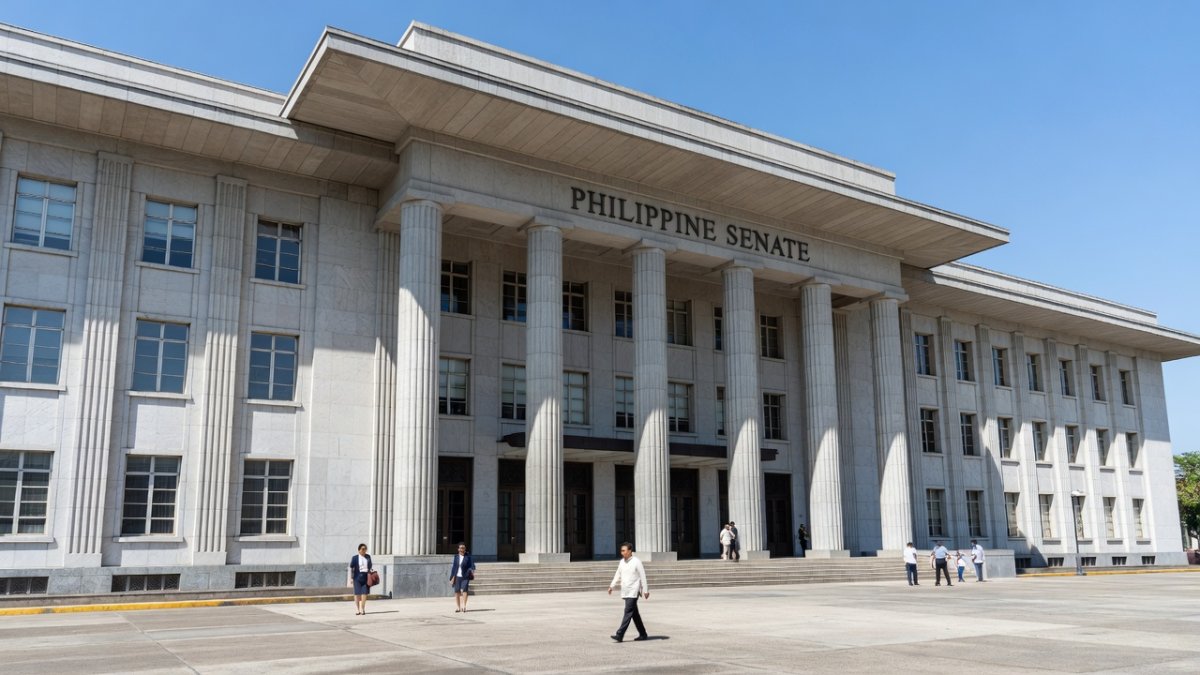
On Monday July 13 the Senate impeachment court convened to examine serious allegations against Vice President Sara Duterte. NBI Senior Agent Jeremy Lotoc, who is also a lawyer, took the stand and delivered clear testimony about the bureau's investigation. He explained that the NBI had uncovered prima facie evidence supporting charges of grave threats and inciting to sedition. The moment carried weight inside the chamber as Lotoc stated without hesitation that the evidence met the standard of reasonable certainty of conviction. Senators listened closely while ordinary Filipinos followed the proceedings through radio updates and community group chats. This testimony marks a pivotal point in the trial because it comes from a national investigative body rather than partisan voices. Families in provinces far from Manila wondered how such findings might influence daily life and local stability. The NBI's role in presenting facts helps anchor the discussion in documented evidence instead of rumor. Lotoc's appearance reminded everyone that institutions like the NBI exist to protect public order across the archipelago.
Press Conference Remarks Under Scrutiny
Lotoc walked the court through Duterte's October and November 2024 press conferences. He noted that her remarks during those events could stir up the people to go against the government and undermine public safety and public order. In the November 2024 Zoom press conference Duterte stated she had hired an assassin to kill President Marcos, First Lady Liza Marcos, and Speaker Martin Romualdez if anything happened to her. Lotoc clarified that investigators did not need to prove an assassin was actually hired for the statement to qualify as a grave threat. Senator Erwin Tulfo pressed for the strongest evidence, and Lotoc responded that the material satisfied the quantum of evidence required. These details painted a picture of public statements that went beyond ordinary political rhetoric. Barangay captains in Mindanao and the Visayas later discussed how such words might affect community peace when repeated in local markets. The analysis focused on the potential ripple effects rather than speculation about intent. Lotoc's measured delivery kept the focus on the record itself.
Understanding the Revised Penal Code Charges
Grave threats under the Revised Penal Code involve threatening someone with the infliction of any wrong amounting to a crime upon their person, honor, or property. Inciting to sedition covers the act of stirring others to commit sedition through speeches, proclamations, writings, emblems, cartoons, banners, or other representations. Lotoc explained how the NBI applied these definitions to the vice president's statements and concluded the thresholds had been crossed. In practice these provisions protect citizens from fear that could disrupt daily routines such as sending children to school or attending barangay assemblies. The bureau's conclusion rested on the plain language of the remarks and their possible reach through media. Private prosecutor Benjamin Tolosa Jr. listened as the testimony reinforced the legal foundation for the impeachment articles. Such clarity helps ordinary families understand why public officials must weigh their words carefully. The Revised Penal Code serves as a safeguard that applies equally whether the speaker holds high office or lives in a rural sitio.
Questions About a Possible Subpoena
Benjamin Tolosa Jr. addressed whether the prosecution would seek to subpoena Duterte to testify. He confirmed that no motion had been filed yet but noted it remained an option. Tolosa emphasized that Duterte's testimony would be highly relevant to all articles of impeachment, not only the threats article. He added a direct observation: "Technically this is not a criminal case. So, she is not an accused, not a respondent. So, the right against self-incrimination, you cannot invoke this to even take a stand." This distinction matters because impeachment proceedings operate under different rules than criminal trials. Practically it means the Senate can hear from the vice president without the usual criminal protections blocking questions. Communities watching from barangay halls saw this as a chance for fuller accountability. The clarification helped reduce confusion about legal rights during political proceedings. Tolosa's remarks kept the focus on relevance to every charge rather than procedural hurdles.
How the Testimony Shapes the Road Ahead
The NBI findings give the prosecution concrete material to build upon as the trial continues. Senators now have an official assessment that links specific statements to defined offenses under the Revised Penal Code. This development could influence the pace of hearings and the order in which remaining witnesses appear. Possible next steps include further documentary evidence or additional expert analysis from other agencies. The testimony also highlights the Senate's responsibility to weigh institutional reports carefully. For families across the country the updates provide a clearer timeline to follow through trusted local radio and online community pages. Analysts note that such evidence may encourage more measured public discourse among officials at every level. The impeachment process moves forward with documented findings rather than unverified claims. This stage reminds citizens that institutions can still function even amid heated political moments.
Impact on Barangay Life and Public Trust
Across countless barangays families gather after dinner to discuss how national events touch their daily routines. Conversations often turn to the value of bayanihan, the spirit of communal cooperation that helps neighborhoods stay calm during uncertain times. When high officials face serious allegations, people worry about public order in their own streets and markets. The NBI testimony reinforces the idea that no one stands above the law, which strengthens trust in institutions like the Senate and investigative bodies. Parents wonder whether steady leadership will protect schools and health centers from political tension. Local leaders stress that peace at the grassroots level depends on responsible statements from those in power. The case therefore carries weight beyond Manila because it touches the shared desire for stability that unites Filipino communities. Public trust grows when investigations proceed transparently and citizens see facts presented openly.
The Senate's Continuing Role and Civic Watchfulness
The Senate impeachment court now carries the responsibility of examining all evidence presented, including the NBI report. Prosecution teams will decide on further motions while senators maintain order and fairness throughout the sessions. Families across the Philippines can follow developments through official channels and local discussions that emphasize facts over speculation. What to watch includes upcoming witness schedules and any decisions on additional testimony. Civic engagement remains vital because every citizen benefits when institutions operate with integrity. Hope lies in the continued participation of communities that value justice and peaceful resolution. As the trial unfolds, ordinary Filipinos keep faith that bayanihan and respect for the rule of law will guide the nation toward clearer outcomes. By Bella Reyes, Staff Writer
This article was produced with AI-assisted research and editorial support. Reporting is based on sources cited in the article.
What's Your Reaction?
 Like
0
Like
0
 Dislike
0
Dislike
0
 Love
0
Love
0
 Funny
0
Funny
0
 Wow
0
Wow
0
 Sad
0
Sad
0
 Angry
0
Angry
0

Philippines/Southeast Asia Correspondent at Global1.News. Manila-based journalist covering Philippine politics, environment, maritime security, and social issues. Passionate about marine conservation and the communities protecting the Philippines' natural heritage.










Comments (0)