
Qatari $400M Jet as Interim Air Force One Raises Security Alarms
Qatar's $400M 747-8i bridges Boeing VC-25B delays to 2028+, raising emoluments concerns, security risks, and extra taxpayer costs while the gifted jet may serve through 2028-2030.
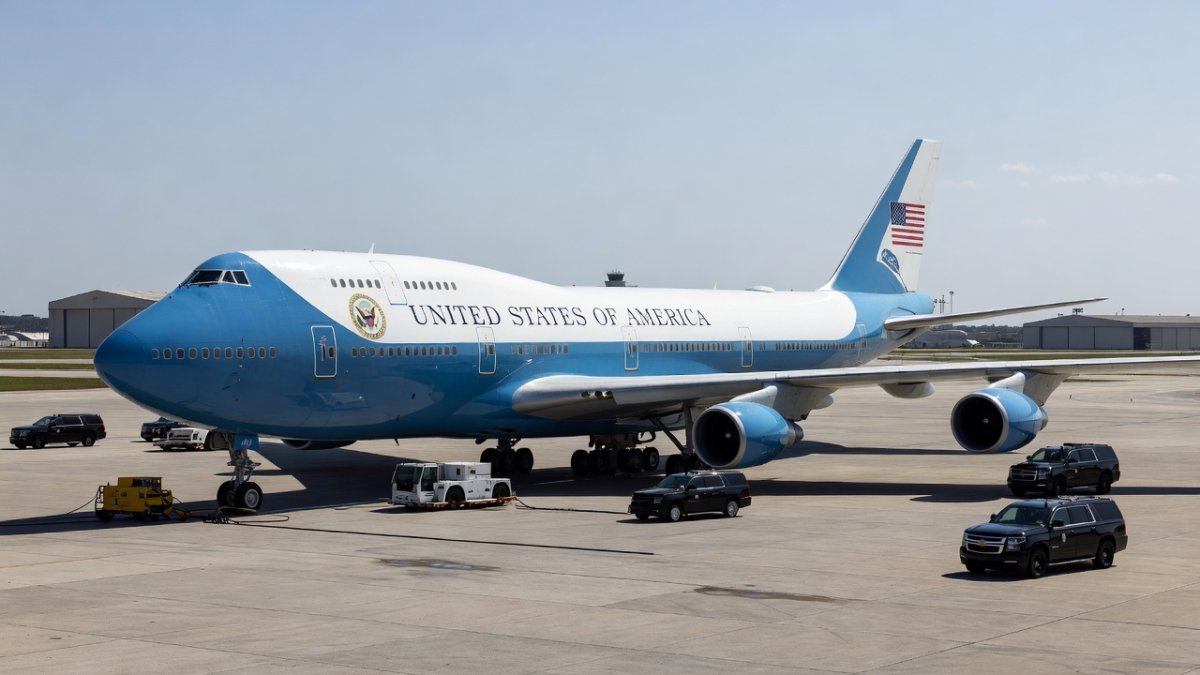
Folks, Boeing's endless screw-ups have shoved a $400 million Qatari jet into the presidential fleet, and the foreign strings attached are impossible to ignore. This isn't a simple stopgap — it's a diplomatic gamble that puts American security and independence on the line, and the fallout is just beginning.
Qatari $400M Jet as Interim Air Force One Raises Alarms
Washington, D.C. — President Trump took his first flight aboard the modified Boeing 747-8i on July 1, 2026, and the controversy has only grown louder since. This isn't your grandfather's Air Force One — it's a foreign hand-me-down dressed up for POTUS duty, and the questions keep piling up.
The Story
President Trump took his first flight aboard the modified Boeing 747-8i on July 1, 2026, marking a dramatic shift from the aging VC-25A fleet. The plane, roughly 13 years old and valued at $400 million, was gifted by Qatar as a stopgap while Boeing's VC-25B program drags on. Based at Joint Base Andrews, it even flew a July 4th D.C. flyover, but Bloomberg's latest reporting reveals Trump plans even more security tweaks later this year. This isn't your grandfather's Air Force One—it's a foreign hand-me-down dressed up for POTUS duty.
The Boeing Debacle
Boeing's VC-25B program was supposed to deliver two brand-new 747-8s by 2024 under a $3.9 billion contract. Instead, the timeline has slipped to 2028 or beyond, leaving the 1990s-era VC-25As on their last legs. The Pentagon had no choice but to scramble for an interim solution, and that's where Qatar stepped in with a ready-to-go VVIP-configured 747-8i previously flown by the Qatar Amiri Flight. Sources at The War Zone confirm the delays stem from Boeing's production woes, forcing taxpayers to foot the bill for both the stalled program and this unexpected foreign bridge.
The VC-25B program traces its roots to a 2018 contract award worth $3.9 billion, when Boeing was selected to convert two new 747-8 airframes into presidential transports with delivery originally slated for 2024. That timeline has collapsed under the weight of chronic supply-chain disruptions, skilled-labor shortages at Boeing’s Everett facility, and repeated Air Force-mandated design changes that added complexity and cost. The result is a program now projected to reach initial operational capability no earlier than 2028, leaving the Pentagon to improvise an interim solution.
Meanwhile, the existing VC-25A fleet—modified 747-200s built in the 1980s and 1990s—has grown increasingly unreliable. Recent incidents include an emergency turnaround during the 2023 World Economic Forum in Davos after electrical faults surfaced mid-flight and multiple groundings for wiring and hydraulic issues. These aging jets now require disproportionate maintenance hours, driving up operating costs even before the Qatar aircraft entered service. Taxpayers have already committed the full $3.9 billion with little hardware to show for it, and they now face additional expenses to certify, operate, and sustain the gifted 747-8i bridge aircraft.
Boeing’s pattern of delay is hardly isolated. The KC-46 tanker program arrived years late and billions over budget; the 777X remains grounded by certification setbacks; and NASA’s Starliner crew vehicle has yet to complete a crewed flight after repeated technical failures. Each case illustrates systemic production and quality-control problems that have eroded confidence in the company’s ability to deliver complex military platforms on schedule.
The Gift
Qatar's donation of the 13-year-old jet isn't charity—it's a calculated move that gives Doha symbolic leverage, according to Pentagon insiders. Valued at around $400 million, the aircraft arrived already configured for heads of state, but it required extensive work by L3Harris to meet U.S. standards. Critics from The Guardian are calling it a Trojan horse, arguing that accepting such a lavish gift from a nation with complex regional ties risks compromising American independence. The plane's arrival at Andrews signals a new chapter in U.S.-Qatar relations, one where gratitude might translate into diplomatic pressure down the line.
The Modifications
L3Harris handled the heavy lifting to bring the jet up to POTUS-grade specs, installing hardened communications, defensive systems, and secure data links that match or exceed the old VC-25As. Flight testing wrapped successfully before Trump's July 1 debut, proving the aircraft could handle the mission. Yet this wasn't a full ground-up rebuild—the core airframe remains a 2013-era 747-8i, which means ongoing maintenance costs will still hit taxpayers hard while Boeing sorts out its $3.9 billion mess.
The Controversy
Detractors have already slapped labels like "Bribe Force One" and "Air Fraud One" on the jet, pointing to obvious conflict-of-interest red flags. Accepting a $400 million aircraft from Qatar raises legitimate questions about influence peddling, especially as the original Boeing contract balloons in cost and delay. The Guardian and Reuters have highlighted how this arrangement could erode public trust, with some analysts warning it sets a dangerous precedent for foreign governments currying favor through high-value military assets.
Congressional reaction has been swift. Several lawmakers have demanded hearings on the Qatari gift, arguing it may violate the Emoluments Clause by conferring a personal benefit on the sitting president without legislative consent. Bipartisan letters to the Pentagon have requested full disclosure of all communications surrounding the transfer and an independent legal review before any further modifications are funded.
The nickname “Bribe Force One” originated in a July 2025 social-media post by former Pentagon spokesman John Kirby and quickly spread through defense-policy circles. Critics contend the label captures the optics of accepting a $400 million aircraft from a nation whose interests—securing long-term U.S. defense commitments, burnishing its post-2022 World Cup image, and advancing natural-gas export diplomacy—align neatly with the gift’s timing. Historically, foreign gifts to presidents have ranged from the modest (horses, artwork) to the substantial (the Resolute Desk), yet none approached the scale or operational sensitivity of a head-of-state aircraft.
National-security analysts warn that even after L3Harris modifications, residual supply-chain dependencies and potential embedded components cannot be entirely ruled out. Classified briefings have reportedly flagged risks of hardware or firmware that could create covert data pathways, prompting calls for exhaustive forensic inspections beyond standard acceptance testing.
Security Upgrades
Bloomberg reports that additional security features are slated for later this year, including enhanced electronic warfare protections and encrypted comms beyond what L3Harris initially installed. While the plane already cleared initial testing, these extras underscore ongoing concerns about operating a foreign-origin aircraft in the presidential role. The War Zone notes that even with modifications, the 13-year-old airframe carries inherent risks compared to purpose-built American jets, potentially exposing the commander-in-chief to vulnerabilities that the aging VC-25As never faced.
What This Means
For American taxpayers, this bridge solution means continued billions poured into Boeing's delayed program plus the hidden costs of operating and securing a gifted jet. Presidential security could be compromised if any residual foreign components or supply-chain ties linger, and U.S.-Qatar relations now carry an extra layer of obligation that could influence Middle East policy. Folks, this isn't just about a fancy plane—it's a symptom of industrial failure at Boeing and a reminder that shortcuts in national security always come with strings attached. The 2028 target for new VC-25Bs feels increasingly optimistic, leaving us reliant on this Qatari stopgap far longer than anyone admits.
The 2028 delivery target for the two new VC-25Bs is widely viewed as optimistic. Boeing’s recent track record suggests a more realistic window of 2029–2030, meaning the Qatari jet could remain the primary presidential transport through the 2028 election cycle and into the next administration. That continuity raises questions about whether a future president will inherit both the aircraft and the diplomatic obligations attached to it.
Reliance on a foreign-origin airframe also undercuts America’s traditional claim to technological self-sufficiency in strategic aviation. Allies and adversaries alike are watching whether the United States can still produce its own presidential aircraft without external assistance, a perception that could influence future arms-sales negotiations and coalition confidence.
Average Americans should monitor three near-term indicators: the scheduling and scope of congressional hearings on the gift, release of follow-on security-testing reports from the Air Force, and any contract modifications that shift additional costs from Boeing to the taxpayer. Each development will clarify whether the bridge solution remains a temporary fix or becomes a lasting fixture in presidential travel.
By Jessica Ali, Staff Writer
This article was produced with AI-assisted research and editorial support. Reporting is based on sources cited in the article.
What's Your Reaction?
 Like
0
Like
0
 Dislike
0
Dislike
0
 Love
0
Love
0
 Funny
0
Funny
0
 Wow
0
Wow
0
 Sad
0
Sad
0
 Angry
0
Angry
0

Editor-in-Chief at Global1.News. Atlanta-based journalist who cuts through the BS and tells it like it is. Lead anchor, host, and the voice you hear when the spin stops and the truth starts.















Comments (0)