
James Carville Predicts Trump Will Resign by Easter 2027
Folks, James Carville just lit a fuse under the White House with a nuclear prediction: President Donald Trump will resign before Easter 2027. The Ragin' Cajun dropped this bombshell on his Politics War Room podcast on June 16, 2026, and within hours it was ricocheting through every newsroom from New York to D.C. Here's the thing — Carville says Trump is bored, the polls are tan
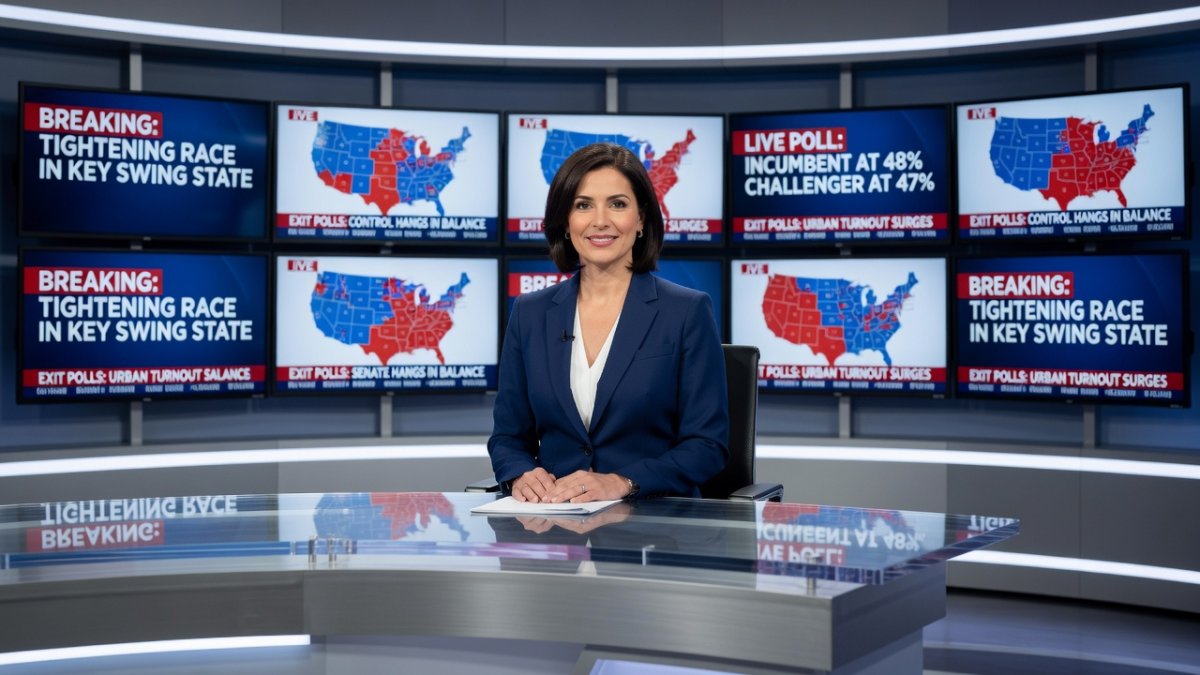
Folks, James Carville just lit a fuse under the White House with a nuclear prediction: President Donald Trump will resign before Easter 2027. The Ragin' Cajun dropped this bombshell on his Politics War Room podcast on June 16, 2026, and within hours it was ricocheting through every newsroom from New York to D.C. Here's the thing — Carville says Trump is bored, the polls are tanking, and the 2026 midterms are about to deliver a message so loud even Mar-a-Lago won't be able to ignore it. But before we start planning a transition, let's pump the brakes and look at who's making this prediction and whether it holds any water.
The Prediction That Broke the Internet
James Carville made his explosive claim during an episode of the Politics War Room podcast recorded on June 16 2026 where he stated without hesitation that President Donald Trump would choose to walk away from the Oval Office well before Easter Sunday in 2027. The veteran strategist painted a picture of a leader growing increasingly disengaged from daily governance amid sliding approval ratings and the looming threat of devastating losses in the upcoming congressional contests. Major outlets including the New York Post HuffPost Yahoo News and Fox News all published detailed recaps of the remarks within hours creating an immediate media firestorm that dominated headlines across cable news and online platforms throughout the following day. MSN further highlighted Carville's emphasis on persistently low polling numbers as a key factor driving his timeline for an early departure from power.
The rapid spread of the story underscored how sensitive any discussion of presidential resignation remains in the current polarized environment with commentators on both sides quickly weighing in on social media and live broadcasts. Carville framed his forecast around Trump's supposed boredom with the rigors of the job combined with an expectation that the 2026 midterms would produce a clear repudiation at the ballot box forcing a strategic retreat. While some listeners dismissed the comments as typical partisan rhetoric others noted the specificity of the Easter 2027 deadline which added a layer of intrigue to what might otherwise have been viewed as standard political punditry from a longtime Democratic operative.
Within twenty four hours the prediction had generated thousands of reactions ranging from outright dismissal by Trump supporters to cautious analysis from independent observers tracking White House dynamics. The coverage across legacy and digital media illustrated the enduring influence Carville still wields decades after his most famous campaigns even when his forecasts have missed the mark in previous cycles. This latest intervention once again placed the strategist at the center of national conversation about the future stability of the current administration and the potential for unexpected shifts in leadership before the next presidential election cycle fully unfolds.
Who Is James Carville, Really?
James Carville first rose to national prominence as the chief strategist behind Bill Clinton's successful 1992 presidential campaign where his war room approach to rapid response messaging helped secure a victory against incumbent George H W Bush. Known for his sharp wit and Louisiana roots the Ragin Cajun became a fixture on cable news panels and authored several books dissecting modern political tactics. His ability to distill complex electoral dynamics into memorable sound bites made him a go to commentator for networks seeking colorful analysis during election seasons throughout the 1990s and early 2000s.
Yet Carville's record includes notable missteps that invite scrutiny whenever he issues bold predictions about future outcomes. In October 2024 he penned a New York Times op ed confidently outlining three reasons he believed Kamala Harris would win the presidential election a forecast that proved dramatically incorrect when Donald Trump secured victory. Such high profile errors have led critics to question whether his current assessment of Trump's potential resignation reflects genuine insight or simply another instance of wishful partisan forecasting from a committed Democrat.
Despite these setbacks Carville maintains a loyal following among progressives who value his institutional knowledge and willingness to speak bluntly about Republican vulnerabilities. His long career spanning multiple decades provides context for evaluating the weight of his latest comments on the Trump presidency. Observers note that while past inaccuracies do not automatically invalidate new claims they do underscore the importance of cross checking his assertions against independent polling data and statements from those inside the current administration before accepting any timeline for dramatic political change.
The Boredom Theory — Does It Hold Up?
Fox News coverage of Carville's podcast appearance emphasized the strategist's assertion that President Trump appears bored with the demands of governing and remains unprepared for the scale of potential losses Democrats could achieve in the 2026 midterm elections. According to Carville this combination of personal disengagement and anticipated congressional setbacks would create an untenable situation prompting an early exit well before the conclusion of the second term. The theory hinges on the idea that Trump who thrived on the spectacle of campaigning might find the administrative grind of the presidency less appealing once legislative momentum stalls.
However sources described as close to the president have pushed back strongly against this narrative insisting that Trump remains fully engaged and is already mapping out strategies for the 2028 election cycle. These insiders portray a leader energized by ongoing policy battles and determined to consolidate gains from his first term rather than contemplating any form of resignation. The stark contrast between Carville's external speculation and internal accounts from Trump allies highlights how difficult it can be to gauge a president's private mindset from public commentary alone.
Political analysts point out that boredom claims have circulated about various occupants of the White House over the years often reflecting more about the speaker's perspective than verifiable evidence from daily schedules or decision making patterns. In Trump's case his history of maintaining a high public profile through rallies and media appearances suggests continued interest in the spotlight. Evaluating the boredom theory therefore requires careful attention to primary sources such as official calendars and direct statements rather than relying solely on interpretations offered by longtime political opponents like Carville.
The 2026 Midterm Math
The November 2026 midterm elections remain several months away yet historical patterns offer important context for assessing Carville's forecast of massive Republican losses. Since World War II the party holding the White House has typically lost seats in Congress during midterm contests with average declines exceeding twenty House seats and several Senate positions. These trends often intensify when approval ratings hover below fifty percent creating structural headwinds for the president's party regardless of individual candidate quality or campaign spending levels.
Current projections suggest Republicans enter the cycle with narrow majorities in both chambers making even modest Democratic gains potentially sufficient to flip control of the House or Senate. Such a shift would dramatically complicate the remainder of Trump's term by empowering opposition lawmakers to block legislation and intensify oversight investigations. Carville appears to be betting that these historical dynamics combined with specific polling weaknesses will produce an unusually severe rejection at the polls forcing strategic recalibration at the highest levels of government.
Key variables still in flux include candidate recruitment success fundraising totals and the emergence of unexpected national issues that could reshape voter priorities before Election Day. Early indicators from special elections and gubernatorial races provide mixed signals rather than clear evidence of a impending Democratic wave. Tracking these developments through reputable polling aggregators and state level data will offer clearer insight into whether Carville's midterm math aligns with emerging realities or overstates the scale of anticipated Republican setbacks.
Carville's History of Wrong Predictions
James Carville has publicly predicted the political demise of Donald Trump on multiple occasions dating back to the 2015 announcement of his first presidential campaign. Throughout the intervening years he has repeatedly suggested that various scandals or electoral setbacks would finally sideline the former reality television star yet Trump secured the Republican nomination in 2016 won the presidency and remained a dominant force within his party even after leaving office. This pattern of optimistic forecasts from a partisan perspective invites healthy skepticism when similar claims resurface.
The October 2024 New York Times op ed predicting a Kamala Harris victory stands as one of the most recent and high profile examples of Carville's forecasting challenges. Written weeks before ballots were cast the piece outlined seemingly airtight arguments that ultimately failed to anticipate voter behavior in key battleground states. While being incorrect in the past does not prove Carville wrong about future events it does establish a track record that warrants careful examination of supporting evidence rather than automatic acceptance of dramatic conclusions.
Seasoned observers of political media recognize that bold predictions generate attention and engagement which can incentivize commentators to offer definitive timelines even when underlying data remains uncertain. In this instance Carville's long standing opposition to Trump provides motivation for envisioning an early exit yet independent verification through polling trends and administration statements remains essential. Maintaining perspective on past inaccuracies helps audiences weigh new claims with appropriate caution while still remaining open to the possibility that conditions could evolve in unexpected directions.
What the White House Is Actually Saying
As of June 17 2026 the White House had issued no official statement directly addressing James Carville's resignation prediction leaving room for speculation about internal reactions. Trump allies speaking on background to various outlets quickly dismissed the comments as predictable partisan noise from a longtime Democratic strategist seeking relevance. These responses emphasized the president's continued focus on legislative priorities and upcoming political battles rather than any consideration of stepping aside before completing his term.
Multiple sources familiar with conversations inside Mar-a-Lago reported that Trump has explicitly told confidants he has no intention of resigning and remains committed to advancing his agenda through the remainder of his second term. This direct contradiction between Carville's external theory and accounts from those closest to the president illustrates the gap that often exists between media speculation and operational reality in high stakes political environments. The absence of an on record denial from Trump himself has not prevented his team from signaling strong rejection of the timeline.
Observers note that presidents facing unfavorable commentary frequently rely on surrogates to shape narratives while preserving personal flexibility in public appearances. Tracking future statements from press briefings and official social media channels will reveal whether the administration chooses to engage more directly with the resignation speculation or continues treating it as unworthy of sustained attention. The current silence combined with private reassurances suggests a calculated approach aimed at avoiding amplification of an unsubstantiated forecast.
What You Need to Watch
Monitoring midterm polling trends over the coming months will provide the clearest early indicators of whether Democratic momentum is building toward the scale Carville anticipates. Aggregators such as RealClearPolitics and FiveThirtyEight offer regular updates incorporating state level surveys that can reveal shifts in voter sentiment well before November 2026. Paying attention to these numbers alongside generic ballot questions helps separate noise from substantive movement in public opinion.
Candidate recruitment and primary outcomes in both parties will also shape the eventual battlefield with quality challengers often determining whether narrow majorities can be overturned. Trump's public schedule including rally appearances and policy announcements offers additional clues about his level of engagement and strategic priorities heading into the election cycle. Consistent activity on the campaign trail would tend to undermine narratives of impending boredom or withdrawal.
Finally citizens are encouraged to verify their own voter registration status and stay informed through multiple credible sources rather than allowing any single pundit to frame the entire narrative. Active participation in the democratic process including following local and national developments ensures that conclusions about presidential tenure rest on evidence rather than speculation alone. Remaining engaged through the midterms and beyond empowers voters to influence outcomes directly instead of reacting to forecasts from commentators with mixed predictive records.
By Jessica Ali, Global 1 News
This article was produced with AI-assisted research and editorial support. Reporting is based on sources cited in the article.
What's Your Reaction?
 Like
0
Like
0
 Dislike
0
Dislike
0
 Love
0
Love
0
 Funny
0
Funny
0
 Wow
0
Wow
0
 Sad
0
Sad
0
 Angry
0
Angry
0

Editor-in-Chief at Global1.News. Atlanta-based journalist who cuts through the BS and tells it like it is. Lead anchor, host, and the voice you hear when the spin stops and the truth starts.













Comments (0)