
Iran Pushes Propaganda While Full US-Iran MoU Remains Unpublished
In a recent i24NEWS English report, the channel examined how Iran's state-affiliated Mehr News Agency moved quickly to shape global perceptions of the US-Iran peace deal by publishing a 14-point draft memorandum of understanding — days before the full official text was even signed. With Washington refusing to release the complete document and the Trump administration denying Is
In a recent i24NEWS English report, the channel examined how Iran's state-affiliated Mehr News Agency moved quickly to shape global perceptions of the US-Iran peace deal by publishing a 14-point draft memorandum of understanding — days before the full official text was even signed. With Washington refusing to release the complete document and the Trump administration denying Israel access to review its terms, Tehran has seized control of the narrative, putting the Israeli government in a difficult position as it navigates the fallout from a deal that directly impacts its security.
Iran Pushes Propaganda While Full US-Iran MoU Remains Unpublished
Jerusalem, Israel — June 17, 2026 — Iran's state-affiliated Mehr News Agency released a 14-point draft of the memorandum of understanding between Tehran and Washington on June 13, one day before the official electronic signing of the agreement. Operating under direct oversight from Iranian authorities in Tehran, the agency presented the draft as authoritative even though the United States government has not released any corresponding document.
Iran's State Media Takes Control of the Narrative
The Mehr News Agency draft, published before the electronic signing on Sunday June 14, includes terms heavily favorable to Tehran: a permanent ceasefire on all fronts including Lebanon, full lifting of the naval blockade within 30 days, reopening of the Strait of Hormuz, immediate suspension of oil sanctions, and the release of $24 billion in frozen Iranian funds during a 60-day negotiating period. Iranian officials used the platform to emphasize these terms, reaching audiences across the Middle East within hours.
Israeli intelligence monitoring in Tel Aviv noted the coordinated timing with statements from Iran's Foreign Ministry. The absence of any parallel release from Washington allowed Iranian state media to dominate initial coverage. Reporters in Jerusalem observed that Israeli officials at the Prime Minister's Office received the Mehr News Agency text through open sources rather than through direct diplomatic channels from the Trump administration.
Iranian state television in Tehran repeated the claimed terms throughout June 14 broadcasts. Israeli defense analysts at IDF headquarters in Tel Aviv flagged the omission of proxy force restrictions as a direct security concern for Israel's northern border.
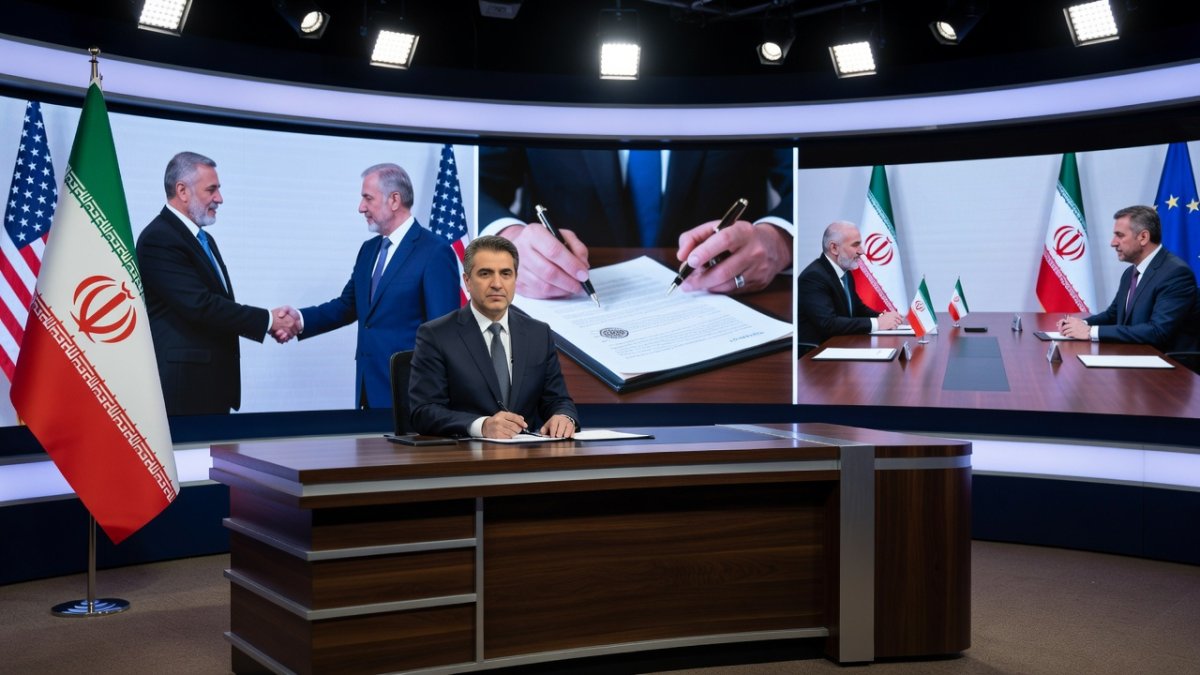
The 14 Points: What Iran Wants the World to Believe
The published draft explicitly states that Iran's missile program and its support for Hezbollah and Hamas would not be on the agenda of final talks. This exclusion is perhaps the most consequential element of the Iranian version. If the final agreement does not address Iran's ballistic missile development or its funding of proxy forces across the region, Israel would face a security environment where Tehran can continue arming Hezbollah and Hamas while enjoying sanctions relief and diplomatic normalization.
Additional points in the Mehr News Agency text address sanctions waivers for Iranian oil sales to begin immediately upon signing, with the US Treasury Department issuing waivers covering banking, transportation, and insurance services. An Iranian supertanker was observed leaving Chabahar port with its tracker active, crossing the former US blockade line into the Gulf of Oman shortly after the deal was announced, according to the nonprofit United Against Nuclear Iran.
The draft ties full implementation of the deal to an Israeli withdrawal from Lebanon — a condition not confirmed by any American official. This linkage allows Iranian negotiators in Geneva to portray the agreement as conditional on Israeli concessions, putting Jerusalem in a defensive diplomatic position.
Official Silence: Washington Keeps the Full Text Under Wraps
The Trump administration declined Israel's formal request on June 16 to review the complete memorandum text. Senior officials at the White House confirmed that the full document would remain unpublished pending the formal signing ceremony set for Friday June 19 in Switzerland. This decision left Israeli diplomats in Washington without an official version against which to compare the Mehr News Agency draft.
US State Department spokespersons referred all inquiries about the memorandum's precise wording to the upcoming Switzerland ceremony. No American agency released the signed text on June 14 or June 15 despite repeated questions from journalists. The continued silence contrasts sharply with the detailed 14-point list circulating from Tehran.
Israeli officials at the Foreign Ministry noted that previous US-Israel agreements on Iran had included text-sharing protocols. The current refusal marks a departure from that practice and has prompted internal discussions within the Knesset Foreign Affairs and Defense Committee about future intelligence-sharing arrangements with Washington.
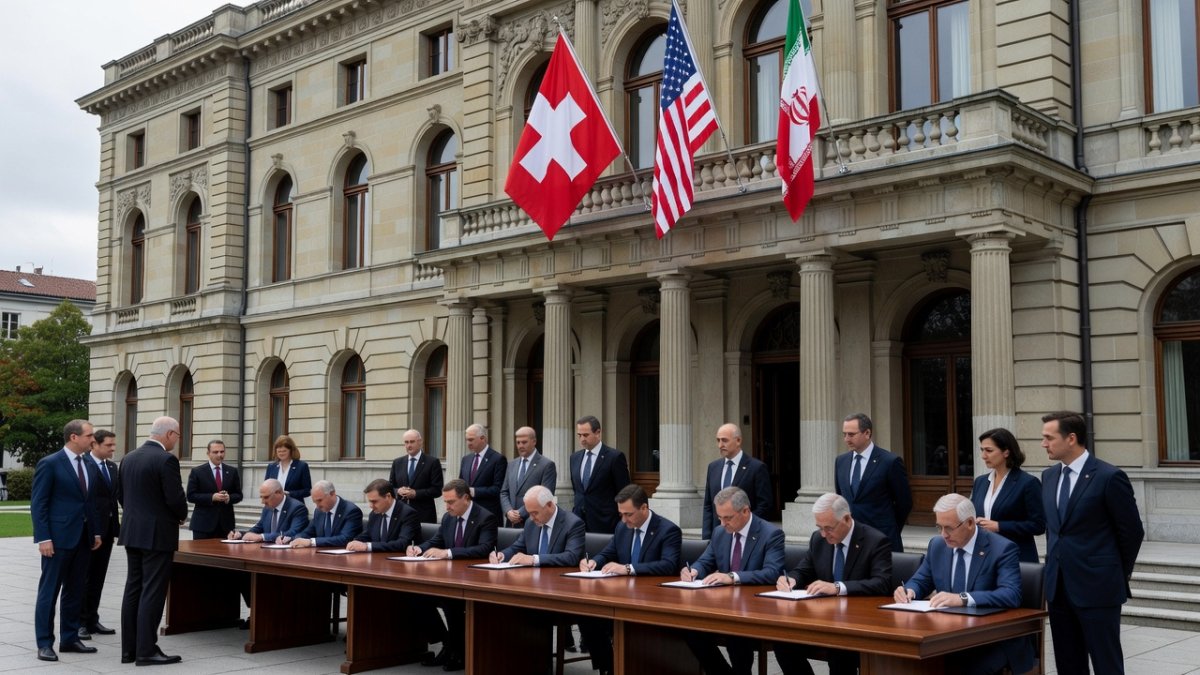
Regional Implications for Israel and Lebanon
Prime Minister Benjamin Netanyahu stated on June 15 that Israeli forces would maintain their positions in southern Lebanon regardless of the US-Iran memorandum. IDF units along the border with Lebanon continued patrols as the Swiss signing date approached. Senior US officials separately confirmed that an Israeli military withdrawal from Lebanon is not listed as a condition in the memorandum.
Iranian statements from Tehran have insisted the entire deal depends on Israeli forces leaving Lebanese territory. Hezbollah leaders in Beirut echoed this position in public remarks on June 16. Israeli security assessments prepared by Shin Bet warned that any perceived weakening of the Lebanon front could embolden Hezbollah rocket deployments toward northern Israeli communities, where tens of thousands of residents remain displaced.
The memorandum's reported immediate sanctions waivers for Iranian oil sales raised concerns among Israeli energy and defense officials about renewed funding reaching proxy groups. IDF Northern Command has adjusted operational readiness, assuming the memorandum will not constrain Iranian support networks for Hezbollah.
Analysis: Information Warfare in the Shadow of Diplomacy
Iran's decision to publish the 14-point draft before the June 19 Switzerland ceremony created an information advantage that Israeli policymakers must address without an official counter-text. The exclusion of missile and proxy issues from the draft directly affects Israel's deterrence calculations along both the northern border and in the Red Sea region.
The Trump administration's refusal to share the full text with Israel limited Jerusalem's ability to coordinate responses with Washington. Israeli intelligence agencies have relied on open-source material from Tehran while preparing briefings for the Knesset. This dynamic illustrates how control of the document itself has become a diplomatic tool in the days leading to the formal signing.
Regional actors including Hezbollah and Hamas are monitoring the information gap for signs of shifting American commitments. The 60-day negotiating period that follows the Friday signing will determine the fate of Iran's nuclear program, the extent of sanctions relief, and whether Tehran's version of the terms — particularly the exclusion of its missile program and proxy network from negotiations — reflects reality or propaganda. For Israel, the difference is existential.
By Hannah Berg, Staff Writer
This article was produced with AI-assisted research and editorial support. Reporting is based on sources cited in the article.
What's Your Reaction?
 Like
0
Like
0
 Dislike
0
Dislike
0
 Love
0
Love
0
 Funny
0
Funny
0
 Wow
0
Wow
0
 Sad
0
Sad
0
 Angry
0
Angry
0
Israel Correspondent at Global1.News. Based in Tel Aviv, covering Israeli politics, security, technology, and society. Provides balanced, deeply-sourced reporting on one of the most closely-watched regions in the world.












Comments (0)