
Dr Nagham Nawzat and the Yazidi Survivors: A Story of Genocide and Healing
Introduction: A Survivor's Account On 3 August 2014, nineteen-year-old Shireen was in her home in Sinjar preparing for exams when Islamic State militants swept into the town. The attack shattered her quiet student life in an instant. Armed fighters rounded up families, separated the men, and took the women and girls captive. Shireen was among thousands of Yazidi women seized th
Introduction: A Survivor's Account
On 3 August 2014, nineteen-year-old Shireen was in her home in Sinjar preparing for exams when Islamic State militants swept into the town. The attack shattered her quiet student life in an instant. Armed fighters rounded up families, separated the men, and took the women and girls captive. Shireen was among thousands of Yazidi women seized that day in a coordinated assault that targeted the ancient religious minority.
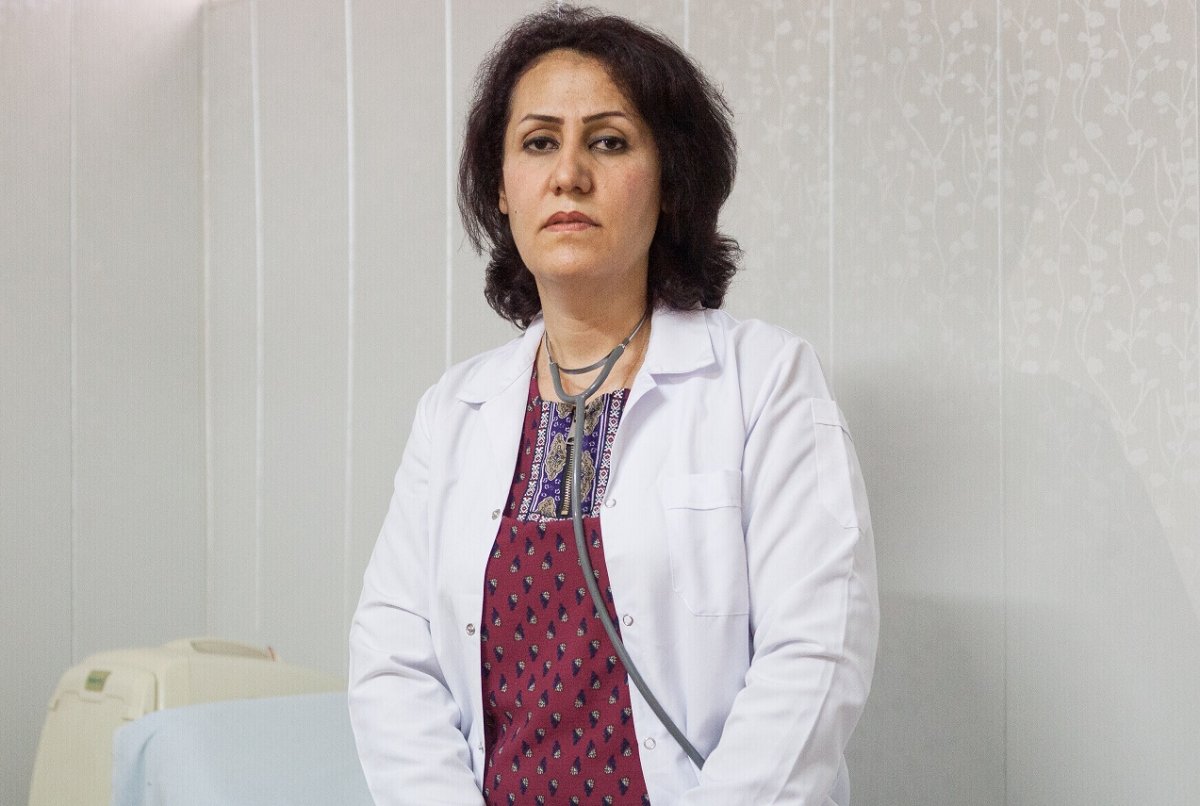
Dr Nagham Nawzat (Middle East Eye)
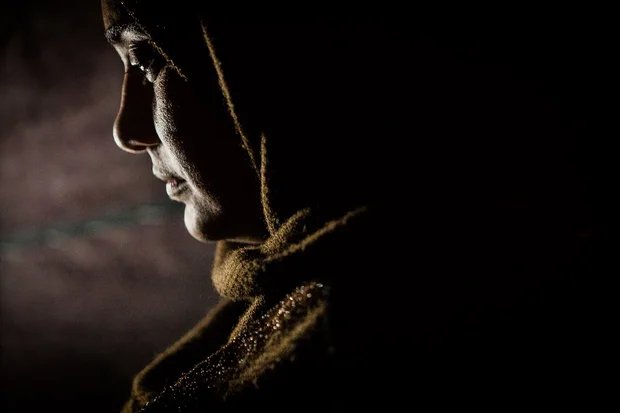
Yazidi survivors receiving care (Middle East Eye)
She was sold almost immediately as a sex slave to an Islamic State fighter. Within weeks she was resold to a man named Abu Omar in Mosul. There she endured repeated rape and sexual violence. Two other Yazidi girls, aged six and ten, were held in the same household and subjected to the same abuse. Shireen performed forced domestic labor while living under constant threat. Her captivity lasted nearly two years until Iraqi forces liberated her during the Battle of Mosul in 2016.
Shireen’s uncle and several friends were killed during the initial attack. Her father and sister remain missing since 2014. After liberation she received medical and psychological care at the Duhok Survivors’ Centre. “Dr Nagham Nawzat gave me back my dignity when I thought it was gone forever,” Shireen said of the Yazidi gynaecologist who treated her. “She listened without judgment and helped me begin to heal.”
Today Shireen lives in a tent at the Khanke internally displaced persons camp. Her story is one of thousands that illustrate both the brutality of Islamic State and the quiet, persistent work of recovery led by specialists such as Dr Nagham Nawzat.
The Yazidi Genocide: Context and Scale
The United Nations has described Islamic State’s campaign against the Yazidis as genocide. The designation rests on evidence of systematic killings, sexual enslavement, forced conversions, and the deliberate destruction of Yazidi cultural and religious sites. At least 12,000 Yazidis were killed or kidnapped in 2014 alone during the rapid advance of Islamic State forces across northern Iraq.
The assault on Sinjar marked the beginning of a broader effort to eradicate the Yazidi community. Men and boys were executed in mass graves. Women and girls were abducted, trafficked, and subjected to sexual slavery under a codified system of ownership and resale. Entire villages were emptied, and survivors fled to Mount Sinjar or across the border into the Kurdistan Region of Iraq.
Displacement remains widespread. Hundreds of thousands of Yazidis continue to live in camps or informal settlements. The scale of loss has left deep scars on a community whose population numbered only a few hundred thousand before 2014. International observers continue to document ongoing crimes committed against those still held captive.
Shireen's Captivity and Liberation
After her abduction from Sinjar, Shireen was taken first to a holding site and then sold to an Islamic State fighter. She was later transferred to Abu Omar in Mosul, where she remained for most of her captivity. Daily life consisted of household chores performed under guard and repeated sexual assaults. The presence of the two younger Yazidi girls, aged six and ten, added to her anguish as she witnessed their suffering.
Shireen was forbidden contact with the outside world. She learned of the deaths of her uncle and friends only after liberation. Her father and sister, taken in the same sweep, have never been found. Hopes of reunion have faded with each passing year, yet she continues to ask aid workers for any new information.
Liberation came in 2016 when Iraqi forces entered Mosul. Shireen was among the women rescued during intense urban fighting. She was transferred first to a transit facility and then to the Duhok Survivors’ Centre for medical examination and counseling. The physical and psychological effects of two years of captivity required sustained treatment that continues today.
Dr Nagham Nawzat: A Doctor's Mission
Dr Nagham Nawzat was born in Mosul in 1976 and graduated from Mosul Medical College in 2002. As a Yazidi gynaecologist she chose to specialize in the treatment of gender-based violence after the 2014 genocide. In 2015 she joined the Duhok Survivors’ Centre, the only facility in Iraq dedicated exclusively to survivors of sexual violence and trafficking.
Since beginning her work at the centre she has personally treated more than 1,200 Yazidi women. This figure represents more than half of the 2,023 women officially liberated and registered with the Kurdistan Regional Government’s Kidnapped Affairs directorate, according to director Hussein al-Qaidi. Her patients range in age from young girls to older women who endured months or years of enslavement.
Dr Nawzat approaches each case with patience and cultural sensitivity. She often describes herself as acting “like a big sister” to the women who arrive at the centre carrying profound trauma. Her daily routine includes conducting medical examinations, documenting injuries, and coordinating referrals for psychiatric support. She has stated that she dedicates her life to the Yazidis.
The Duhok Survivors' Centre: A Unique Facility
The Duhok Survivors’ Centre operates with funding from the United Nations Population Fund. It remains the sole specialized facility in Iraq focused on gender-based violence against Yazidi women. The centre provides confidential medical examinations, gynecological care, and initial psychological first aid in a single location designed to minimize re-traumatization.
Staff conduct thorough physical assessments to address injuries sustained during captivity. They also screen for reproductive health complications and sexually transmitted infections. When more intensive mental health support is required, patients are referred to psychiatric services at Azadi Hospital in Duhok. The integrated model allows women to receive coordinated care without navigating multiple institutions.
The centre’s approach emphasizes long-term recovery rather than short-term intervention. Many survivors return for follow-up visits over months or years. Counselors work alongside medical staff to help women rebuild daily routines and prepare for possible family reunification or independent living. The facility’s existence depends on continued international support amid limited domestic resources.
International Recognition and Ongoing Danger
In March 2016 Dr Nagham Nawzat received the International Women of Courage Award from then-Secretary of State John Kerry. The honor recognized her tireless service to survivors of Islamic State sexual violence. The award brought global attention to the medical and psychological needs of Yazidi women still recovering from captivity.
Recognition has come at personal cost. Dr Nawzat regularly receives death threats from Islamic State sympathizers who view her work as defiance of their ideology. Security measures have been increased around the centre and her movements, yet she continues her daily consultations without interruption.
Despite the risks, she maintains that her commitment to the survivors outweighs personal danger. Colleagues describe her as calm under pressure and unwavering in her refusal to abandon patients. The threats underscore the persistent reach of Islamic State ideology even after territorial losses.
Missing Women and the Long Fight
Approximately 1,500 Yazidi women remain missing or captive across Iraq, Syria, and Turkey. Some are held by individual Islamic State fighters who evaded capture. Others have been moved through informal networks or sold for ransom. Releases occur sporadically, often after families pay large sums or through quiet negotiations.
In 2014 the Yazidi spiritual leader Baba Sheikh issued a decree welcoming back all women who had been enslaved. The religious edict aimed to reduce stigma and encourage families to accept returning survivors. It has helped many women reintegrate, though social challenges persist in some communities.
Shireen now resides in a tent at the Khanke camp. She attends regular sessions at the Duhok Survivors’ Centre while waiting for any news of her missing relatives. Aid workers note that her case reflects the prolonged uncertainty faced by hundreds of families still searching for loved ones years after the genocide began.
Conclusion: Justice, Memory, and the Path Forward
Dr Nagham Nawzat’s daily work at the Duhok Survivors’ Centre embodies both medical care and a form of quiet accountability. By documenting injuries and preserving testimonies she contributes to the historical record of crimes that the United Nations has labeled ongoing genocide. Her patients’ recoveries stand as evidence that survival is possible even after extreme violence.
Sustained international funding and political attention remain essential. The centre’s ability to treat newly liberated women and support those already receiving care depends on continued resources. Without them, many survivors risk being left without specialized help.
“I dedicate my life to the Yazidis,” Dr Nagham Nawzat has said. Her words reflect a commitment that extends beyond any single award or headline. For the women still missing and for those rebuilding their lives in camps and clinics, that dedication offers a measure of hope amid an unfinished reckoning.
By Fatima Al-Rashid, Staff WriterThis article was produced with AI-assisted research and editorial support. Reporting is based on sources cited in the article.
What's Your Reaction?
 Like
0
Like
0
 Dislike
0
Dislike
0
 Love
0
Love
0
 Funny
0
Funny
0
 Wow
0
Wow
0
 Sad
0
Sad
0
 Angry
0
Angry
0

Middle East Correspondent at Global1.News. Based in Beirut, covering politics, conflict, energy, and society across the Middle East. Brings context and depth to a region often reduced to headlines.









Comments (0)