
Iran live updates: Trump yet to announce decision following Situation Room meeting
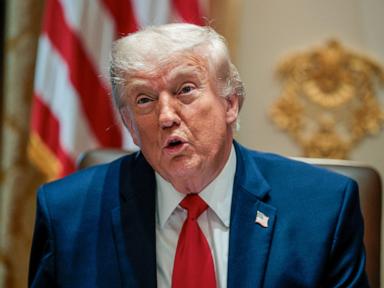
U.S. and Israeli forces launch major strikes on Iran as Trump declares combat operations underway
President Donald Trump announced major combat operations against Iran on Feb. 28, confirming that massive joint U.S.-Israeli strikes had begun. The decision followed hours inside the Situation Room and instantly raised the stakes across the Middle East. Markets reacted within minutes, oil prices jumped, and capitals from Washington to Beijing began recalculating their next moves.
This is not another round of sanctions or targeted killings. It is open, large-scale military action coordinated between the United States and Israel. The announcement ends weeks of speculation about whether the president would authorize direct force or continue with diplomatic pressure. Now the question has shifted from “if” to “what happens next.”
From Situation Room to Public Announcement
Trump had just concluded a lengthy meeting with senior national security advisers when he stepped forward to declare the operations. Earlier updates indicated no final decision had been reached, yet the scale of the strikes suggests planning had been underway for days. The timing points to a deliberate choice to move while intelligence on Iranian targets remained fresh. The joint nature of the operation is significant. Israel supplied targeting data and conducted portions of the strikes, while U.S. forces contributed air and naval assets. Such coordination requires extensive prior integration of command structures. That level of interoperability rarely appears overnight.Why This Escalation Matters Now
Iran’s nuclear program has advanced steadily despite years of sanctions and inspections. Israeli officials have long warned that certain thresholds would trigger military action. The United States, under Trump, has aligned with that red-line logic more closely than previous administrations. The Feb. 28 strikes therefore represent the crossing of a shared threshold rather than a sudden shift in policy. The economic ripple effects are immediate. Roughly one-fifth of global oil supply moves through the Strait of Hormuz. Any sustained conflict risks disrupting that flow, pushing prices higher and feeding inflation already present in many economies. European and Asian allies, heavily dependent on energy imports, now face pressure to choose sides or stay neutral. Regionally, the strikes risk drawing in Iranian proxies across Iraq, Syria, Lebanon, and Yemen. Those groups have already demonstrated willingness to target U.S. and Israeli interests when Tehran signals approval. A wider front could stretch American resources already committed elsewhere.Historical Context and Shifting Calculations
Previous U.S. administrations weighed similar strikes but pulled back, citing risks of entanglement and uncertain outcomes. Trump’s approach has been more willing to accept those risks in pursuit of maximum pressure. The result is a policy that treats military action as an extension of diplomacy rather than its failure. Israel’s role adds another layer. Successive Israeli governments have conducted limited strikes inside Iran for years. The current operation marks the first time those efforts have been openly paired with large-scale American participation. The message sent to Tehran is that two militaries, not one, are now prepared to degrade Iranian capabilities.What Comes Next
The immediate priority for U.S. and Israeli planners will be assessing whether the strikes achieved their intended effects on nuclear and military sites. Iran’s response options range from limited missile barrages to attempts to close shipping lanes or activate proxy networks. Each carries different costs and escalation ladders. Diplomacy has not disappeared. European powers and Gulf states still hold channels to both sides. Any de-escalation path will likely require verifiable limits on Iran’s nuclear work in exchange for sanctions relief, a formula attempted before but never sustained under current conditions. Washington will also watch Beijing and Moscow. Both have economic and military ties to Tehran and could supply diplomatic cover or material support. Their reactions will help determine whether the conflict remains regional or pulls in additional powers. The coming days will reveal whether the Feb. 28 strikes mark the start of a contained campaign or the opening phase of a broader war. Commanders on both sides are now operating under new rules of engagement, and the margin for miscalculation has narrowed sharply.By Jessica, Staff Writer
This article was produced with AI-assisted research and editorial support. Reporting is based on sources cited in the article.
What's Your Reaction?
 Like
0
Like
0
 Dislike
0
Dislike
0
 Love
0
Love
0
 Funny
0
Funny
0
 Wow
0
Wow
0
 Sad
0
Sad
0
 Angry
0
Angry
0

Jessica Ali
Editor-in-Chief at Global1.News. Atlanta-based journalist who cuts through the BS and tells it like it is. Lead anchor, host, and the voice you hear when the spin stops and the truth starts.













Comments (0)