
Iran Denies IAEA Access to Bombed Nuclear Sites Despite Burgenstock MoU
Historical Context: The 2025 War and Nuclear Fallout Iran’s nuclear program has evolved dramatically since the 2015 Joint Comprehensive Plan of Action (JCPOA), which capped enrichment at 3.67 percent and limited stockpiles to 300 kilograms. Following the U.S. withdrawal in 2018 under President Trump and the subsequent “maximum pressure” campaign, Tehran progressively breached l
Historical Context: The 2025 War and Nuclear Fallout
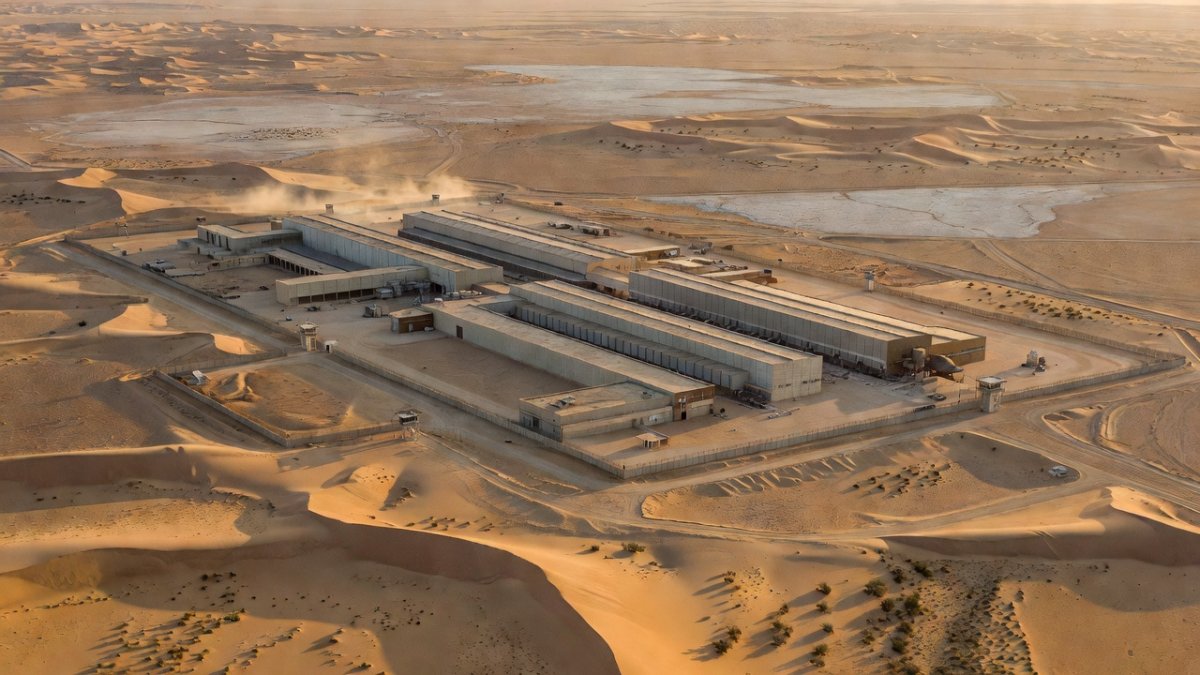
Iran’s nuclear program has evolved dramatically since the 2015 Joint Comprehensive Plan of Action (JCPOA), which capped enrichment at 3.67 percent and limited stockpiles to 300 kilograms. Following the U.S. withdrawal in 2018 under President Trump and the subsequent “maximum pressure” campaign, Tehran progressively breached limits, reaching 60 percent enrichment by early 2024 at Natanz and Fordow. The 2025 US-Israeli strikes, targeted the Natanz centrifuge halls, the Fordow enrichment plant’s tunnel entrances, and Isfahan’s conversion facility, resulting in a reduction of approximately 40 percent in overall enrichment capacity, according to IAEA satellite analysis and Western intelligence assessments. These strikes set the stage for the current inspection impasse.
 The diplomatic environment in 2026 stands in stark contrast to the JCPOA negotiations of 2015. The Abraham Accords have reshaped alliances, fostering direct ties between Israel and several Gulf states, which now view Iranian nuclear developments through a lens of shared security concerns rather than isolated bilateral issues. This normalization has integrated Israel more deeply into regional strategic calculations, making any resolution of the inspection impasse contingent on broader Arab-Israeli coordination frameworks that did not exist a decade earlier. Where the original JCPOA talks largely sidelined Gulf Arab perspectives in favor of a bilateral U.S.-Iran focus, today’s landscape requires accounting for how normalized relations have created overlapping threat perceptions and joint interests in constraining Iranian capabilities without triggering wider conflict.
Iran’s Formal Denial of Post-Strike IAEA Access
On 23 June 2026 Iran announced that IAEA inspectors would not be permitted to enter the Natanz, Fordow and Isfahan nuclear facilities damaged during the 2025 US-Israeli strikes. Iranian UN Ambassador Ali Bahreini stated in Geneva that “there hasn’t been such a decision” to admit inspectors, directly contradicting earlier expectations set by Washington. The announcement came hours after US Vice President JD Vance claimed on 22 June that inspections could begin “as soon as Monday.”
The denial reflects deeper IAEA Board of Governors dynamics, where 35 member states including the EU3 (France, Germany, UK) have pushed for snap inspections under UN Security Council Resolution 2231. Tehran's position also responds to Israeli Prime Minister Benjamin Netanyahu's public insistence that any access must include real-time cameras at all enrichment sites, a demand that Iranian leadership has consistently rejected. Gulf reactions have been swift: Saudi Arabia’s Foreign Minister Faisal bin Farhan called for “immediate transparency” in a Riyadh press conference, while UAE Energy Minister Suhail Al Mazrouei warned of risks to regional energy security. Qatar has maintained a more neutral stance, offering to host technical talks.
Legal and Procedural Arguments Presented by Tehran
Foreign Ministry Spokesperson Esmaeil Baghaei emphasised that no protocol exists for post-conflict inspections beyond Iran’s existing NPT commitments. Tehran argues that the 2025 strikes altered the baseline conditions under which safeguards agreements were originally negotiated. Officials insist any new access regime must be negotiated rather than imposed, framing the refusal as a defence of sovereign rights rather than outright non-compliance.
Baghaei cited Article 4 of the NPT and Iran’s comprehensive safeguards agreement (INFCIRC/214), noting that post-strike conditions require fresh negotiations. This stance draws on precedents from Iraq’s post-1991 inspections, where sovereignty concerns delayed access for months. Russia's Foreign Minister Sergey Lavrov has echoed support for Iran's position, warning against “imposed regimes” that could set dangerous precedents for other NPT states.
Gulf Arab states, particularly Saudi Arabia and the UAE, approach this diplomatic process with a mix of caution and strategic ambition. Their own interest in developing civilian nuclear capabilities raises questions about how Iranian enrichment levels might set precedents for regional non-proliferation norms. At the same time, these nations harbor deep concerns over Iran's potential to resume higher enrichment activities, prompting quiet explorations of coordination with Israel on monitoring and deterrence measures that could influence the trajectory of talks. Riyadh and Abu Dhabi seek assurances that any revived inspection regime will not inadvertently legitimize Iranian thresholds while simultaneously advancing their own nuclear programs under strict international oversight, creating a delicate balance between competition and collective risk management.
Contradictions With the Burgenstock MoU and US Sanctions Waiver
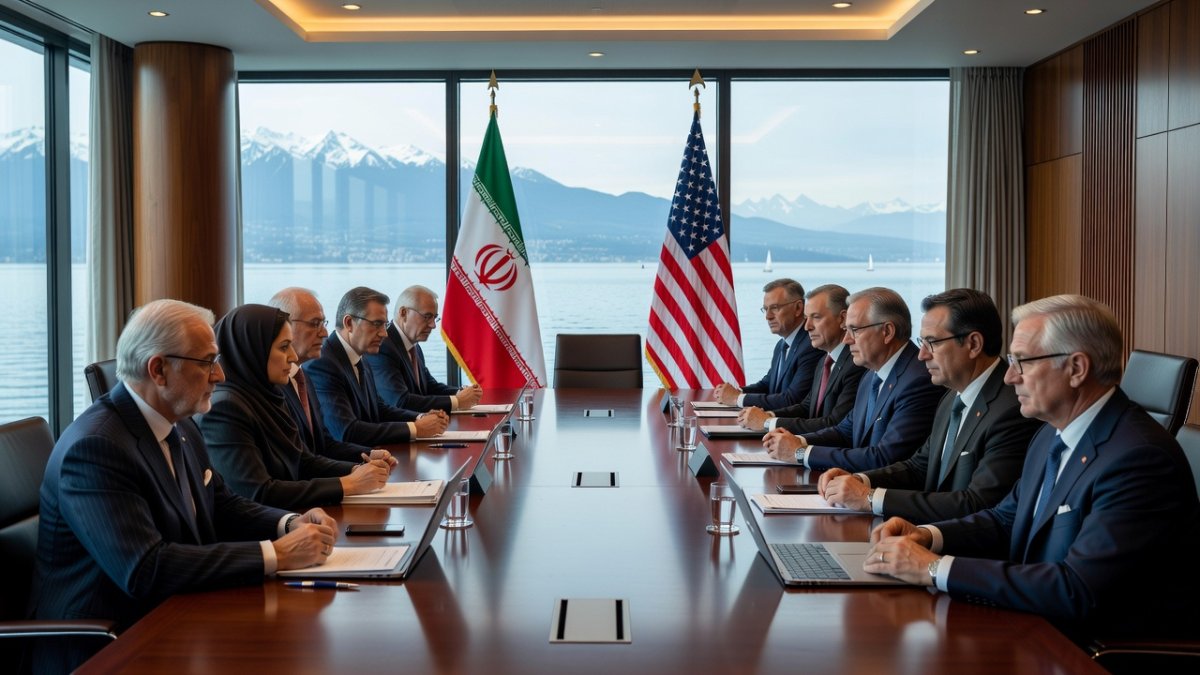
The Burgenstock MoU signed in Switzerland established a 60-day roadmap that included working groups on oversight, sanctions relief and nuclear limits. The US Treasury’s 60-day sanctions waiver issued on 22 June suspended Iranian oil sanctions until 21 August 2026, predicated on the assumption that IAEA access would resume promptly. Iran’s refusal creates an immediate gap between the diplomatic text and its implementation, raising questions about whether the waiver will be extended or revoked.
The MoU’s Section 3 explicitly requires “resumption of full-scope IAEA inspections at all declared facilities within 14 days of signature,” including environmental sampling at Fordow and Natanz. The waiver, signed by Treasury Secretary Scott Bessent, ties $4.2 billion in unfrozen assets to verified compliance. Failure to meet this risks automatic reimposition of sanctions, which could send oil prices sharply higher.
Regional Diplomacy Through Oman, Pakistan and China
Iran’s chief negotiator Mohammad Bagher Ghalibaf travelled to Muscat to meet Oman’s Sultan Haitham bin Tarik immediately after the Swiss talks. In Islamabad, President Masoud Pezeshkian held discussions with Pakistani officials while Foreign Minister Ishaq Dar noted that “everybody suffered” from the 2025 conflict. At the BRICS summit in India, Chinese Foreign Minister Wang Yi met Iranian Supreme National Security Council official Ghadir Nezamipour, signalling Beijing’s continued interest in stabilising energy flows and preventing further escalation.
Oman’s mediation builds on its historic role hosting 2013 JCPOA backchannel talks. Pakistan’s involvement highlights energy import concerns, with Islamabad seeking access to discounted Iranian crude. China's BRICS engagement focuses on protecting its energy investments and ensuring stability for its oil imports through the Strait of Hormuz.
Strategic Calculus Behind Tehran’s Position
Iran calculates that withholding access preserves leverage ahead of any renegotiation of limits on enrichment. With enrichment capacity reduced by approximately 40 percent after the 2025 strikes, Tehran seeks to trade renewed inspections for firmer sanctions relief and security guarantees. The approach also tests Washington’s willingness to maintain the sanctions waiver without immediate verification, while signalling to Gulf Arab states that Iran retains cards in any future regional security architecture.
Israeli officials, including Defense Minister Yoav Gallant, have privately urged the IAEA to withhold technical cooperation until full access is granted. Meanwhile, Saudi Arabia and the UAE have accelerated diversification, with Saudi Arabia's Public Investment Fund accelerating its non-oil investment strategy amid oil volatility fears.
Turkey occupies a distinctive position in this evolving crisis, with President Erdoğan's administration balancing longstanding economic and political connections to Iran against its NATO commitments and aspirations for greater regional influence. This dual alignment positions Ankara as a potential mediator capable of facilitating backchannel communications that Western powers might struggle to establish directly, thereby offering an alternative pathway to de-escalation if formal channels stall. Turkish officials have historically leveraged energy transit routes and trade corridors to maintain dialogue with Tehran even during periods of heightened sanctions, suggesting that any Turkish involvement could help bridge gaps between Iranian demands for sovereignty and international calls for verification without requiring immediate concessions from either side.
Energy Markets and Strait of Hormuz Implications
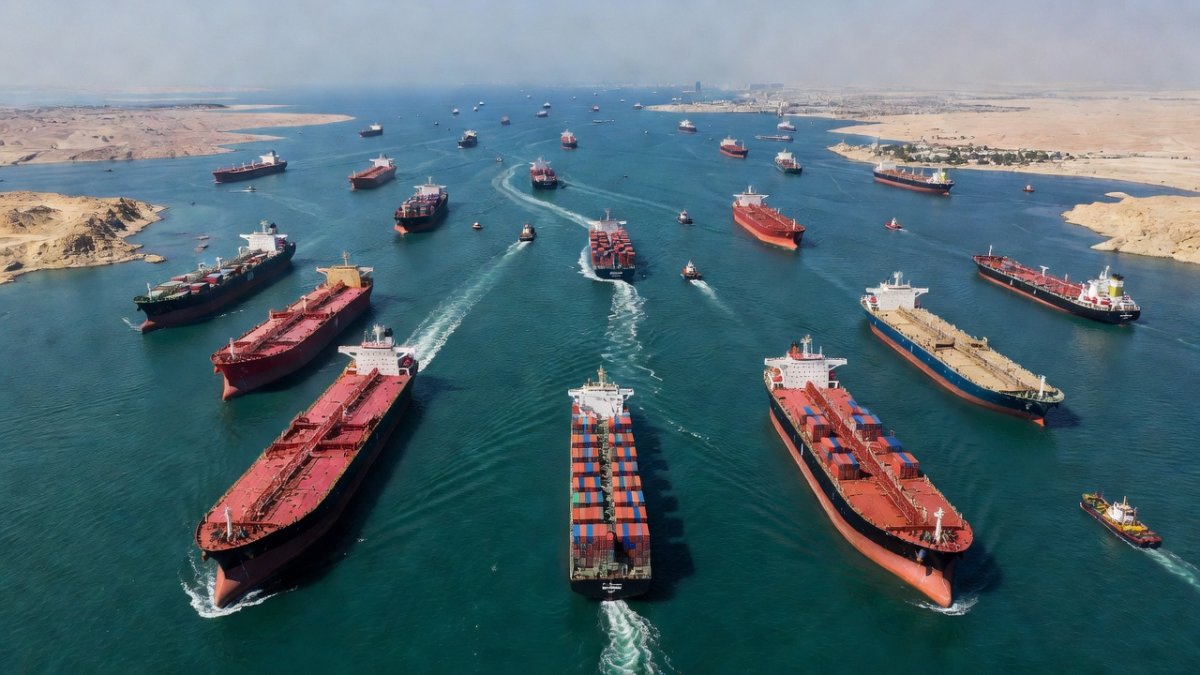
President Trump’s earlier threat to seize control of the Strait of Hormuz followed by his statement ruling out a naval blockade reflected the rapid shift once Iran signalled conditional acceptance of inspections. Al Arabiya English’s coverage of post-deal tanker traffic showed continued high volumes through the strait, underscoring global dependence on the waterway. Any prolonged inspection standoff risks renewed volatility in oil prices and complicates Gulf states’ diversification plans away from hydrocarbon revenues.
Tanker tracking data shows elevated traffic through the strait in June 2026, with shipping rates rising amid heightened risk premiums. Brent crude prices reflected market anxiety over potential reimposition of sanctions.
Sixty-Day Outlook and Possible Pathways
The 60-day window created by the Burgenstock MoU and the US sanctions waiver expires on 21 August 2026. If Iran maintains its current stance, Washington may face pressure to reimpose oil sanctions or seek alternative verification mechanisms through Oman or China. Conversely, a limited technical agreement allowing IAEA visits to undamaged areas could preserve the waiver while deferring deeper disputes. The coming weeks will reveal whether the denial represents a tactical pause or a more fundamental rejection of the post-2025 inspection framework.
Analysts broadly project three scenarios: full compliance, a partial access deal, or sanctions snapback. China and Russia have signaled willingness to veto any UNSC enforcement measures, potentially prolonging the standoff into autumn 2026.
The unfolding situation carries significant implications for OPEC+ coordination, as any disruption in Iranian oil exports or renewed sanctions could force Gulf producers to adjust production quotas to stabilize global prices. Saudi Arabia and other member states must weigh the budgetary impacts of such volatility against their long-term diversification goals, potentially leading to internal alliance strains if the standoff prolongs uncertainty in energy markets. This dynamic underscores how nuclear diplomacy now intersects directly with fiscal planning across the Gulf, where revenue predictability remains essential for funding ambitious economic reforms.
By Malik Hassan, Staff Writer **Internal Linking Opportunities:** - Previous analysis: "How the 2025 Strikes Reshaped Iran's Nuclear Timeline" - Related: "Oman's Quiet Role in Gulf Nuclear Diplomacy" - Energy focus: "Strait of Hormuz Shipping Data After the Ceasefire" **Social Media Teaser (for X / Postiz):** Iran blocks IAEA inspectors from Natanz and Fordow — the Burgenstock deal's 60-day clock is already ticking. With oil markets, Hormuz traffic, and Gulf diplomacy all hanging in the balance, Malik Hassan breaks down what happens next. #Iran #IAEA #NuclearDeal **Source Video:** Al Arabiya English: Iran Denies Bombed Nuclear Site Inspection by UN Watchdogs — https://www.youtube.com/watch?v=1RP4mKV1WmoThis article was produced with AI-assisted research and editorial support. Reporting is based on sources cited in the article.
What's Your Reaction?
 Like
0
Like
0
 Dislike
0
Dislike
0
 Love
0
Love
0
 Funny
0
Funny
0
 Wow
0
Wow
0
 Sad
0
Sad
0
 Angry
0
Angry
0

Middle East Correspondent at Global1.News. Based in Beirut, covering politics, conflict, energy, and society across the Middle East. Brings context and depth to a region often reduced to headlines.









Comments (0)