
Gulf of Paria Widens as Trinidad Pours Oil on Troubled Waters
Gulf of Paria Widens as Trinidad Pours Oil on Troubled Waters Introduction The Gulf of Paria sits like a shared backyard between Trinidad and Tobago and Venezuela, its warm waters lapping at both shores and carrying the hopes of coastal families who have fished these currents for generations. From the calm mornings when fishermen push out their boats to the evenings when commun
Gulf of Paria Widens as Trinidad Pours Oil on Troubled Waters
Introduction
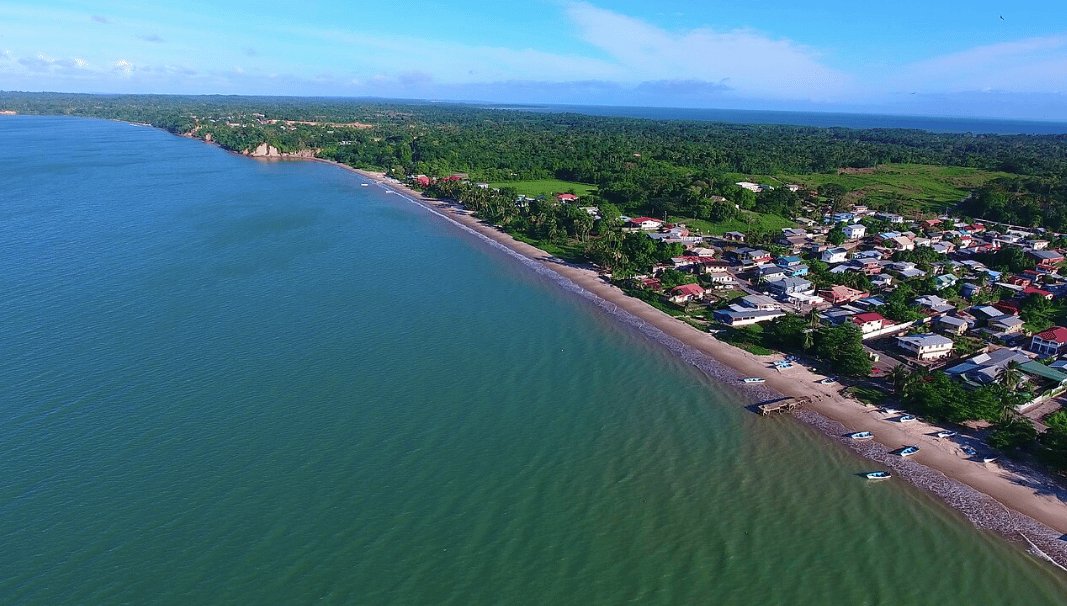
The Gulf of Paria sits like a shared backyard between Trinidad and Tobago and Venezuela, its warm waters lapping at both shores and carrying the hopes of coastal families who have fished these currents for generations. From the calm mornings when fishermen push out their boats to the evenings when communities gather to share the catch, the gulf has always been more than geography; it is the thread that ties livelihoods together. Yet the recent oil incidents have stirred unease across these waters, reminding everyone how quickly something small can travel far. The shared marine space supports countless households on both sides, and any disturbance in one place quickly reaches the other. Trinidadian families know the value of these waters for food, work and simple daily living, just as Venezuelan neighbours do. The gentle tides that once brought abundance now carry worry, as satellite evidence points to movement of pollutants from Trinidad’s side. In this close-knit Caribbean setting, news travels fast between villages, and people speak with concern about what the future holds for the gulf they all depend on. The situation calls for careful attention, because the health of these waters affects the daily rhythm of life for hundreds who rise before dawn to work on the sea. Neighbours watch and wait, hoping for clear answers and steady cooperation that honours the long-standing ties across the gulf.What Happened on May 1
On the morning of 1 May 2026, at 07:25 hours, an oil spill was detected at Heritage Petroleum’s Main Soldado field in the Gulf of Paria. Trinidad’s Energy Minister Dr Roodal Moonilal described the event as minor, involving roughly ten barrels that were quickly contained. Local teams moved swiftly to limit the spread, working with the resources available to them. The spill occurred in waters that form part of the busy energy zone between the two countries, where operations have run for many years. Heritage Petroleum, as the operator, took steps to address the release on the Trinidad side. Despite the quick response, the incident drew attention because of the gulf’s natural currents that can carry material across borders. Officials noted that the volume was small compared with larger industrial events elsewhere, yet the location made even limited amounts a matter of regional interest. The detection time and the operator’s immediate actions formed the core of the Trinidad account. Neighbouring Venezuela later raised questions about reporting, but the initial Trinidad statement focused on containment and the limited scale. The event highlighted how closely energy work and marine space sit together in this part of the Caribbean, where one country’s offshore platform can influence waters used by communities on both sides.Venezuela's Formal Demand
On 19 May, Venezuelan Foreign Minister Yvan Gil held a press conference in which he formally demanded compensation from Trinidad and Tobago for the effects of the May spill. He presented satellite images dated 28 April as evidence of the spill’s reach, stating that 1,625 square kilometres had been affected. The minister pointed to twelve wetland systems and four national parks that he said showed signs of impact, along with more than five hundred fishermen whose daily work had been disrupted. Venezuela also noted that 140-plus species could be touched by the pollutants. Gil emphasised that Trinidad had never reported the spill to Venezuelan authorities, which he said left his country to discover the situation through its own monitoring. The demand for compensation was framed as a necessary step to address the harm to Venezuelan coastal areas and marine resources. Satellite imagery was shown to illustrate the drift of material toward Venezuelan waters. The press conference marked a clear escalation in official communication between the two nations. Venezuela reserved its position on further steps while calling for Trinidad to acknowledge the cross-border consequences. The tone reflected long-standing concerns about shared waters and the need for timely information when incidents occur near the maritime boundary.The June 12 Escalation
A second, larger spill was announced by Venezuela on 12 June 2026. Satellite imagery again confirmed the drift of pollutants toward Venezuelan waters, showing a wider spread than the May event. Trinidad Energy Minister Dr Roodal Moonilal stated that a joint operation had been organised involving the Ministry of Energy, Heritage Petroleum and the TT Air Guard. Vessels and drones were deployed for reconnaissance to assess the situation and track movement. The larger scale of this release prompted Venezuela to repeat its earlier concerns and to reserve the right to pursue international action if needed. Trinidad officials described ongoing monitoring and coordination efforts aimed at limiting further movement across the gulf. The use of air and sea assets underlined the seriousness with which the second incident was treated on the Trinidad side. Venezuela’s announcement highlighted the repeated nature of the problem and the continuing flow of material into its waters. The escalation shifted the matter from a single reported event to a pattern that required sustained attention from both governments. Regional observers noted that repeated spills increase pressure on diplomatic channels and on the practical work of containment in the shared gulf.Impact on Fisherfolk and Coastal Communities
More than five hundred fishermen have felt the direct effects of the spills on their daily work in the Gulf of Paria. These men and women, many from long-standing coastal families, rely on the waters for their main source of income and food. When pollutants drift across the boundary, fishing grounds become restricted or unsafe, forcing boats to stay tied up or travel farther in search of clean areas. Families that once planned their weeks around the catch now face uncertainty about when they can return to normal routines. The shared nature of the gulf means that a problem starting on one shore quickly touches livelihoods on the other. Community conversations in both Trinidad and Venezuela turn to questions of how long the disruption will last and what support will be available. The fishermen’s knowledge of local currents and seasons makes them early witnesses to changes in water quality. Their reduced activity also affects markets and small traders who depend on fresh seafood. In tight-knit coastal villages, the loss of regular fishing days ripples through households, altering everything from school expenses to simple evening meals. The human side of the spills is measured in missed days at sea and the quiet worry that settles over families who have worked these waters for generations.Environmental Toll: Mangroves, Parks, and Marine Life
The spills have touched twelve wetland systems and four national parks that line the Venezuelan side of the Gulf of Paria. These areas serve as nurseries for marine life and buffers against coastal erosion, roles that become more important when pollutants arrive. Satellite images showed the reach of the material into these sensitive zones, raising concern for the 140-plus species that depend on the mangroves and shallow waters. The natural filters provided by wetlands can be overwhelmed by repeated releases, allowing oil to settle into sediments where it lingers. National parks that protect unique habitats now face the added stress of monitoring and possible clean-up needs. The interconnected marine environment means that damage in one wetland can affect fish stocks and bird populations across a wider area. Trinidad and Venezuela share this ecological space, so harm on one side eventually influences the other. The long-term health of these parks and wetlands matters for both tourism and the natural balance that supports fishing. Continued observation through satellite and on-site checks will be needed to understand the full extent of the toll on the gulf’s living systems.Regional Energy Context
Trinidad and Tobago stands as one of the Caribbean’s leading energy producers, with offshore operations that have long contributed to national revenue and jobs. The Main Soldado field forms part of this established sector, where companies such as Heritage Petroleum manage production in waters close to the Venezuelan boundary. Neighbouring Guyana offers a parallel through its ExxonMobil projects, which have also brought questions about environmental safeguards and cross-border effects. Both countries operate in a region where energy development and marine resources sit side by side, requiring careful coordination. The spills in the Gulf of Paria illustrate the practical challenges of maintaining production while protecting shared waters. Energy work brings economic benefits, yet it also carries responsibilities toward neighbouring communities that depend on the same sea. Trinidad’s response, including joint reconnaissance with the Air Guard, reflects the sector’s standard procedures for incident management. The broader Caribbean watches these events because similar offshore activity exists in several nations, and lessons learned here can shape future practice across the region.Diplomatic Channels and International Options
Dialogue between Trinidad and Tobago and Venezuela remains the first route for addressing the spills. Officials on both sides have exchanged statements, with Venezuela calling for compensation and Trinidad reporting containment measures. The repeated incidents have prompted Venezuela to keep open the possibility of international action, while Trinidad continues to coordinate internal agencies. Regional bodies and neighbouring states may be asked to assist if direct talks do not resolve the compensation and reporting issues. The use of satellite imagery as evidence has already shaped the discussion, providing a shared reference point for both governments. Any move toward international forums would require clear documentation of the affected areas and the volumes involved. In the meantime, practical steps such as joint monitoring flights and vessel patrols can help limit further drift. The diplomatic path honours the long history of cooperation in the Caribbean, where neighbours often settle differences through steady conversation rather than confrontation. Both countries have an interest in keeping the gulf’s resources viable for the communities that depend on them.What This Means for the Caribbean
The Gulf of Paria incidents carry lessons for the wider Caribbean about shared waters and energy operations. When pollutants cross maritime boundaries, they affect not only the immediate coastline but also the trust between nations that must work together on environmental protection. Trinidad’s position as an energy producer places it at the centre of discussions on how to balance production with the safety of neighbouring fishing grounds and wetlands. The parallel with Guyana’s offshore projects shows that these questions arise wherever energy development meets the sea. Caribbean communities value the sea for food, work and cultural identity, so repeated spills prompt wider calls for stronger reporting systems and quicker cross-border notification. The situation underlines the need for clear protocols that treat the gulf as a single ecological unit rather than separate national zones. As the region continues to develop its energy resources, the experience in the Gulf of Paria offers a reminder that cooperation and timely information protect everyone who relies on these waters. By Sharon Sahatoo, Staff WriterThis article was produced with AI-assisted research and editorial support. Reporting is based on sources cited in the article.
What's Your Reaction?
 Like
0
Like
0
 Dislike
0
Dislike
0
 Love
0
Love
0
 Funny
0
Funny
0
 Wow
0
Wow
0
 Sad
0
Sad
0
 Angry
0
Angry
0
Sharon Sahatoo
Caribbean Correspondent at Global1.News. Based in Port of Spain, Trinidad, covering Caribbean politics, economy, energy, climate, and culture. Amplifying the voices and stories of the Caribbean region.












Comments (0)