
Prinok Affair: Sedatives in Baby Purees Spark Outrage
The Discovery of Sedatives in Prinok Infant Purees In recent days, Israeli families have been confronted with troubling news regarding the safety of commercial baby food products. The Ministry of Health confirmed last week that five Prinok brand infant purees contained sedatives from the benzodiazepine family, specifically Clonazepam and Lorazepam. These substances are typicall
The Discovery of Sedatives in Prinok Infant Purees
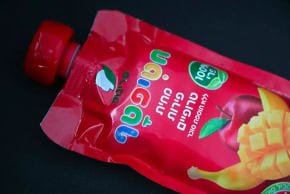
In recent days, Israeli families have been confronted with troubling news regarding the safety of commercial baby food products. The Ministry of Health confirmed last week that five Prinok brand infant purees contained sedatives from the benzodiazepine family, specifically Clonazepam and Lorazepam. These substances are typically prescribed to treat anxiety or sleep disorders in adults. The findings emerged after two separate incidents in which five children required hospitalization following consumption of the affected products.
Three of the contaminated jars were submitted directly by families whose children fell ill. The remaining two were collected during routine sampling from supermarket shelves in Jerusalem. This development has raised immediate concerns about how such pharmaceutical substances entered the food supply chain and why detection occurred only after children were affected.
Timeline of the Incidents and Regulatory Response
The first reported case occurred approximately one month earlier when two children were brought to the emergency room at Hadassah Ein Kerem in Jerusalem displaying symptoms consistent with benzodiazepine exposure. Medical staff at the hospital transferred the suspected puree, purchased at a local supermarket, to police authorities. The police subsequently requested that the Ministry of Health examine the product for contaminants.
Despite this early alert, the Ministry of Health did not conduct testing on the sample. It was only after a second incident last Thursday, when three additional children were rushed to emergency care simultaneously, that the ministry contacted police to obtain the original jar for analysis. The delay meant that potentially contaminated products remained available for purchase during the intervening period.
Last week the ministry updated its investigation to include two further Prinok products found on store shelves, bringing the total to five items containing the sedatives. Officials have not yet clarified the reasons behind the initial decision not to test the first sample.
Legal Analysis of Ministry of Health Negligence
Attorney Assaf Warsha, an expert in tort law, examined whether the Ministry of Health could face claims of negligence under Israeli law. He outlined the four required elements for proving negligence: the existence of a duty of care, breach of that duty, resulting damage, and a causal link between the breach and the harm.
Warsha noted that the Ministry of Health serves as the primary body responsible for testing food products and therefore holds a clear duty of care toward consumers. This obligation is heightened in cases involving infant nutrition, where the public reasonably expects rigorous oversight. A regulator entrusted with food safety can foresee that failing to examine a suspect product will allow its continued distribution and potential harm to additional children.
The breach appears evident in the ministry's decision not to test the puree submitted after the first incident at Hadassah Ein Kerem. This inaction occurred despite a direct request from police, leaving open the possibility that further exposures could have been prevented.
Potential Compensation Claims for Affected Parents
Although the five children were discharged from hospital within several days and appear to have avoided lasting physical effects, Attorney Warsha highlighted that parents may suffer significant psychological consequences. The experience of witnessing a child collapse after consuming what was presumed to be safe food can produce lasting anxiety and emotional distress.
Under Israeli tort law, parents qualify as indirect victims. Compensation for their psychological harm is assessed according to the Alsuha ruling, which requires four conditions to be met: close family proximity to the direct victim, direct impression of the traumatic event, proximity in both place and time, and sufficient severity of the resulting psychological damage.
Warsha indicated that families who rushed their children to Hadassah Ein Kerem and observed the acute symptoms may satisfy these criteria, opening a pathway for claims against the state for regulatory failure. The precise outcomes would depend on individual medical documentation and court evaluation of each case.
Implications for Food Safety Regulation in Israel
The Prinok affair has prompted renewed scrutiny of Israel's food safety oversight mechanisms. The sequence of events, beginning with an untested sample from a Jerusalem supermarket and culminating in five confirmed contaminated products, illustrates gaps in the system responsible for protecting the most vulnerable consumers.
Public trust in regulatory institutions is essential in a country where families rely daily on commercially produced infant foods amid busy urban life in cities such as Jerusalem and Tel Aviv. Questions now focus on internal procedures at the Ministry of Health and whether clearer protocols could have accelerated testing after the initial Hadassah Ein Kerem report.
Consumer protection advocates argue that the episode underscores the need for faster inter-agency coordination between police and health authorities when potential toxins are identified in children's products. The investigation continues, with attention centered on how the sedatives entered the manufacturing or distribution process.
Looking Ahead for Families and Regulators
As the Ministry of Health completes its expanded testing of Prinok products, affected families in Jerusalem and elsewhere await further information on the source of contamination. The legal questions raised by Attorney Assaf Warsha regarding duty of care and indirect victim compensation will likely influence future discussions on state accountability in food safety matters.
Israeli parents continue to navigate daily decisions about what to feed their infants, now with heightened awareness of the importance of regulatory vigilance. The Prinok case serves as a reminder that effective oversight directly affects household security and public confidence in the systems designed to protect children.
By Hannah Berg, Staff WriterThis article was produced with AI-assisted research and editorial support. Reporting is based on sources cited in the article.
What's Your Reaction?
 Like
0
Like
0
 Dislike
0
Dislike
0
 Love
0
Love
0
 Funny
0
Funny
0
 Wow
0
Wow
0
 Sad
0
Sad
0
 Angry
0
Angry
0

Israel Correspondent at Global1.News. Based in Tel Aviv, covering Israeli politics, security, technology, and society. Provides balanced, deeply-sourced reporting on one of the most closely-watched regions in the world.















Comments (0)