
Iran Closes Strait of Hormuz Amid Ceasefire Tensions, Threatening Global Energy Routes
In a recent CBC News report, Iran's Islamic Revolutionary Guard Corps declared the Strait of Hormuz closed to all maritime traffic on Saturday, citing alleged ceasefire violations by the United States and Israel just days after the two nations signed a 14-point interim peace deal. The IRGC issued warnings that ships approaching the waterway would face risks, directly referencin
In a recent CBC News report, Iran's Islamic Revolutionary Guard Corps declared the Strait of Hormuz closed to all maritime traffic on Saturday, citing alleged ceasefire violations by the United States and Israel just days after the two nations signed a 14-point interim peace deal. The IRGC issued warnings that ships approaching the waterway would face risks, directly referencing Israeli actions in Lebanon and the United States' failure to implement key ceasefire commitments from the Pakistan-brokered agreement. For Canadian households already grappling with affordability pressures, the closure threatens to send gasoline prices sharply higher and inject fresh volatility into global energy markets at a time when the Bank of Canada is weighing its next interest rate decision.
Iran Closes Strait of Hormuz Amid Ceasefire Tensions, Threatening Global Energy Routes
Ottawa, Ontario – June 21, 2026 — The CBC News video titled Iran says it closed Strait of Hormuz, citing ceasefire violations reports that the Islamic Revolutionary Guard Corps declared the Strait of Hormuz closed on Saturday, directly citing United States and Israeli violations of the 14-point interim deal signed three days earlier. IRGC statements issued from Tehran named specific breaches including Israeli strikes in Lebanon that killed 20 people hours after a ceasefire took effect and continued United States naval movements through the waterway. Canadian energy analysts immediately flagged the closure as a direct threat to global oil routes that supply 25 per cent of seaborne crude and 20 per cent of liquefied natural gas, with immediate implications for Alberta oil sands exports and domestic fuel costs.
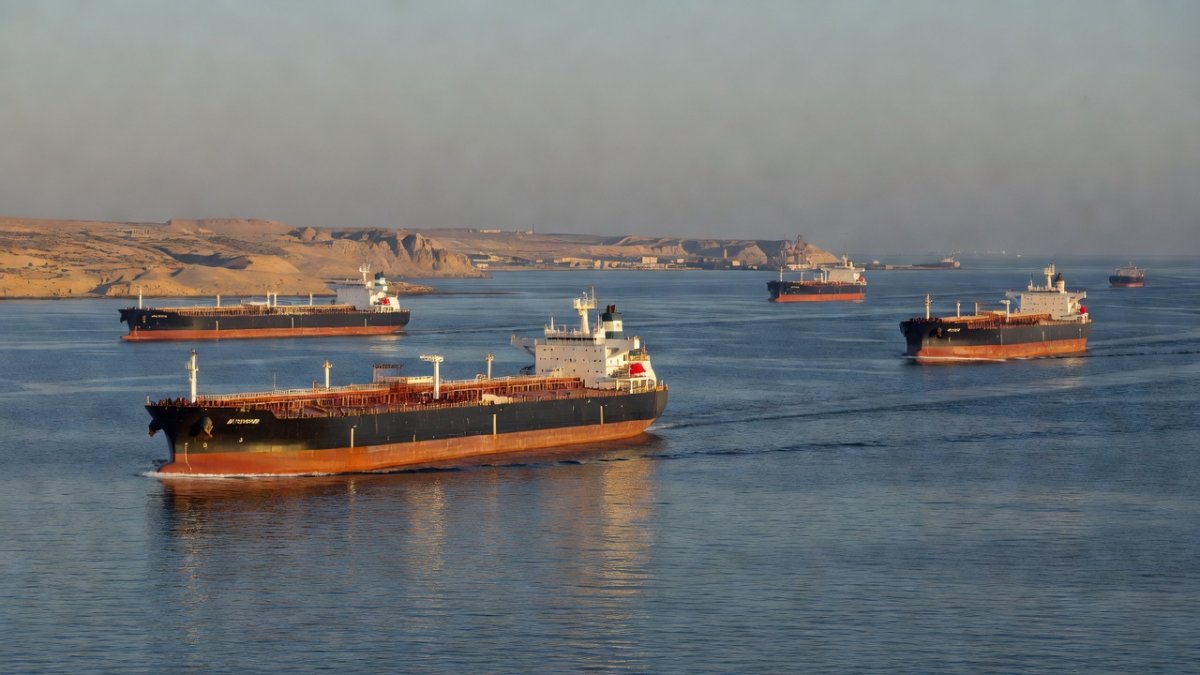
The 14-Point Deal and Ceasefire Breakdown
The 14-point interim deal was signed on Wednesday June 17 under Pakistan-brokered talks and established a 60-day ceasefire period for further negotiations between Iran and the United States. Iranian officials including Parliament Speaker Mohammad Bagher Ghalibaf, Foreign Minister Abbas Araghchi, and senior oil and central bank representatives arrived in Switzerland on Saturday to begin the next round of discussions focused on Tehran's nuclear programme and regional security arrangements.
Adviser Mohammad Mokhber, a senior figure reporting to Iranian Supreme Leader Ayatollah Mojtaba Khamenei, publicly accused the United States of failing to implement the first clause of the agreement, which requires a ceasefire on all fronts, including Lebanon. He said that as long as the agreement existed only on paper, the flow of Middle East energy would remain halted. United States Vice-President JD Vance departed Washington for Switzerland on Saturday to join the talks, telling reporters he was confident the ceasefire would hold. President Donald Trump posted on social media that no toll would be charged on Strait traffic during or after the ceasefire unless negotiations collapsed.
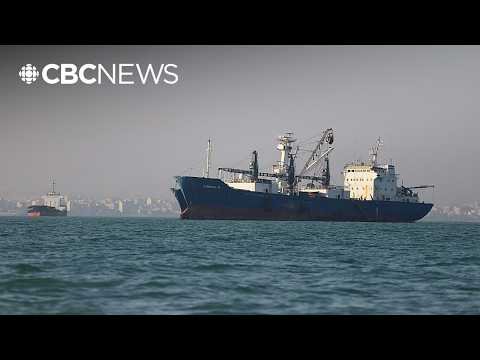
The Strait of Hormuz and Global Energy Supply
United States Central Command confirmed that 55 ships carrying 17 million barrels of oil transited the Strait of Hormuz on Saturday before the IRGC announcement took full effect, underscoring the volume of daily traffic through the narrow waterway. The chokepoint handles one-quarter of all seaborne oil and one-fifth of global LNG shipments, making any sustained closure a direct disruption to energy markets that feed Canadian refineries on both coasts.
Alberta oil sands producers, who rely on stable international benchmarks for bitumen pricing, face immediate margin pressure if alternative routes around the Cape of Good Hope add weeks to delivery schedules. Canadian shipping companies operating tankers registered in Vancouver and Montreal have already begun rerouting calculations that add an estimated 12 to 18 days to voyages bound for Asian markets. The disruption comes as Canadian crude-by-rail volumes had only recently stabilised after earlier supply chain challenges.
Israel-Lebanon-Hezbollah Dimension
Israeli strikes in southern Lebanon killed 20 people on Saturday, only hours after the ceasefire was scheduled to begin, according to the Lebanese Civil Defence. Hezbollah forces responded by firing more than 50 projectiles at Israeli positions near the border, marking the first reported breaches from the Lebanese side. The Lebanon Health Ministry recorded a total of 4,057 deaths since fighting intensified on March 2, while Israeli authorities reported 32 soldiers and four civilians killed during the same period.
Israel has stated it will not become a party to the 14-point deal and intends to maintain forces inside southern Lebanon for the full 60-day negotiation window, further complicating the diplomatic landscape as talks in Switzerland prepare to begin. The continued hostilities on the Lebanon-Israel front directly undercut the premise of the broader US-Iran ceasefire, which listed a halt to fighting in Lebanon as a precondition for nuclear negotiations. Canadian officials have repeatedly called for restraint on all sides and expressed concern for the humanitarian toll on Lebanese civilians.
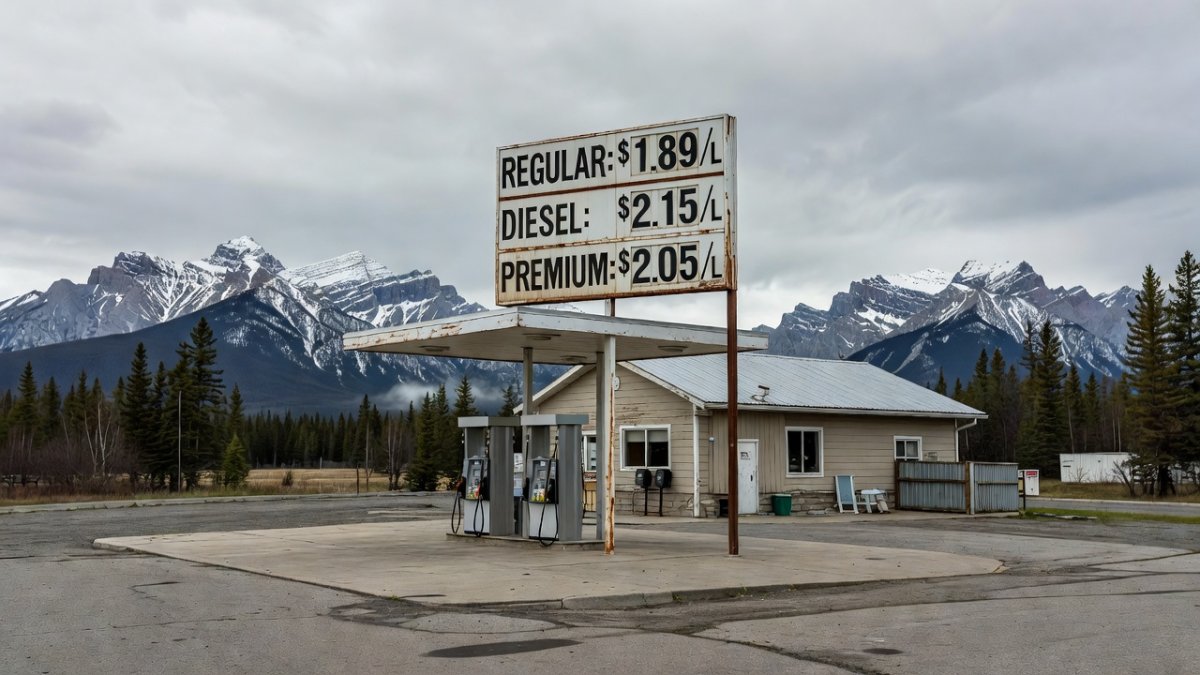
Impact on Canadian Motorists and Households
Canadian motorists in Ontario and British Columbia already face average regular gasoline prices above $1.65 per litre, and any sustained closure of the Strait of Hormuz is projected to add between 18 and 25 cents per litre within two weeks based on historical modelling of similar supply disruptions. The cost-of-living crisis documented by Statistics Canada shows household energy expenditures rising 14 per cent year-over-year, with further increases directly threatening food and housing budgets in Atlantic Canada and the Prairies where heating costs already consume a disproportionate share of household income during winter months.
Alberta households that rely on natural gas for heating face parallel pressure because 20 per cent of global LNG transits the same chokepoint now under Iranian military control. Trucking associations in Manitoba and Saskatchewan have warned that diesel price spikes will raise grocery delivery costs across the country within seven days of sustained disruption, compounding the affordability crisis that has become a central issue in federal politics heading into the next parliamentary session.
Bank of Canada and Economic Implications
Bank of Canada Governor Tiff Macklem has scheduled an emergency briefing for June 23 to assess whether the energy shock requires an adjustment to the current 4.75 per cent policy rate. Economists at the central bank forecast that a three-month closure could add 0.8 percentage points to headline inflation, primarily through higher transportation and home-heating costs. This development complicates the Bank's carefully calibrated approach to bringing inflation back to its 2 per cent target after three years of above-target price growth.
Canadian energy sector equities listed on the Toronto Stock Exchange fell between 6 and 9 per cent in early trading on June 20, with Suncor and Cenovus recording the largest single-day drops since March 2023. Export Development Canada has activated contingency credit lines for Alberta producers who may need bridge financing if Asian buyers cancel cargoes rerouted around Africa. The broader TSX composite index also declined as investors priced in increased uncertainty about global trade flows and economic growth.
Canadian Foreign Policy and Diplomatic Position
Global Affairs Canada issued a statement on Saturday reaffirming support for the 60-day ceasefire and calling on all parties to honour the Pakistan-brokered commitments. Canada maintains NATO commitments that include potential naval contributions to freedom-of-navigation operations through the Strait of Hormuz, though Ottawa has not yet received a formal request from United States Central Command for additional assets in the region.
Prime Minister Justin Trudeau emphasised Canadian values of civilian protection when addressing the 4,057 deaths recorded by the Lebanon Health Ministry since March 2, urging all parties to exercise restraint. Canadian diplomats in Geneva are coordinating with Swiss hosts to ensure Iranian and United States delegations maintain secure channels during the talks scheduled to resume on Sunday. Canada's formal request for observer status at the Switzerland negotiations reflects Ottawa's interest in protecting Canadian economic and security interests in any eventual agreement.
Canadian Energy Security and the Road Ahead
The crisis has reignited debate in Ottawa about Canadian energy security and the need for diversified export routes, with advocates for east-west pipeline projects pointing to the Strait's vulnerability as evidence of the risks inherent in relying on global chokepoints. Canadian energy producers have long argued for expanded pipeline capacity to non-tidal markets, a discussion that now carries renewed urgency as global buyers scramble to secure alternative supply sources.
Federal officials are expected to brief the House of Commons Standing Committee on Natural Resources this week on contingency plans, including potential increases to the Strategic Petroleum Reserve drawdown and emergency fuel allocation measures. While Canada produces more oil than it consumes, the country's refining infrastructure is configured for specific crude grades, meaning domestic motorists are not fully insulated from global price movements when disruptions occur at major maritime chokepoints such as Hormuz.
What Happens Next
The Iranian delegation led by Ghalibaf and Araghchi is scheduled to meet United States representatives in Geneva on Sunday, with Vice-President Vance arriving the same day. President Trump has set a 10-day review period ending June 30 before any decision on imposing transit tolls through the Strait of Hormuz. The coming days will determine whether the diplomatic channel can de-escalate or whether the IRGC's closure order represents a sustained strategy to leverage the waterway for negotiating advantage.
For Canadian families watching fuel prices climb at the pump, the next several weeks will be critical. The 60-day ceasefire clock that began on June 17 will expire on August 16, at which point parties must either extend the agreement or face renewed military activity. The Bank of Canada's emergency assessment on June 23 will provide the first official Canadian economic outlook incorporating the Hormuz closure, offering a clearer picture of what Canadians can expect in terms of inflation, interest rates, and household costs in the months ahead.
By Alex Thompson, Staff Writer
This article was produced with AI-assisted research and editorial support. Reporting is based on sources cited in the article.
What's Your Reaction?
 Like
0
Like
0
 Dislike
0
Dislike
0
 Love
0
Love
0
 Funny
0
Funny
0
 Wow
0
Wow
0
 Sad
0
Sad
0
 Angry
0
Angry
0
Canada Correspondent at Global1.News. Based in Toronto, covering Canadian politics, energy, trade, and US-Canada relations. Provides the Canadian perspective on North American and global affairs.













Comments (0)