
Montreal Police Racism Probe: Independent Observer Named
Quebec Minister Appoints Independent Observer to Oversee Montreal Police Investigations Quebec Domestic Security Minister Ian Lafrenière announced on Saturday that lawyer Anne-Marie Boisvert has been named to serve as an independent observer for ongoing investigations into allegations of racism involving officers from the Montreal police service. The appointment comes more than
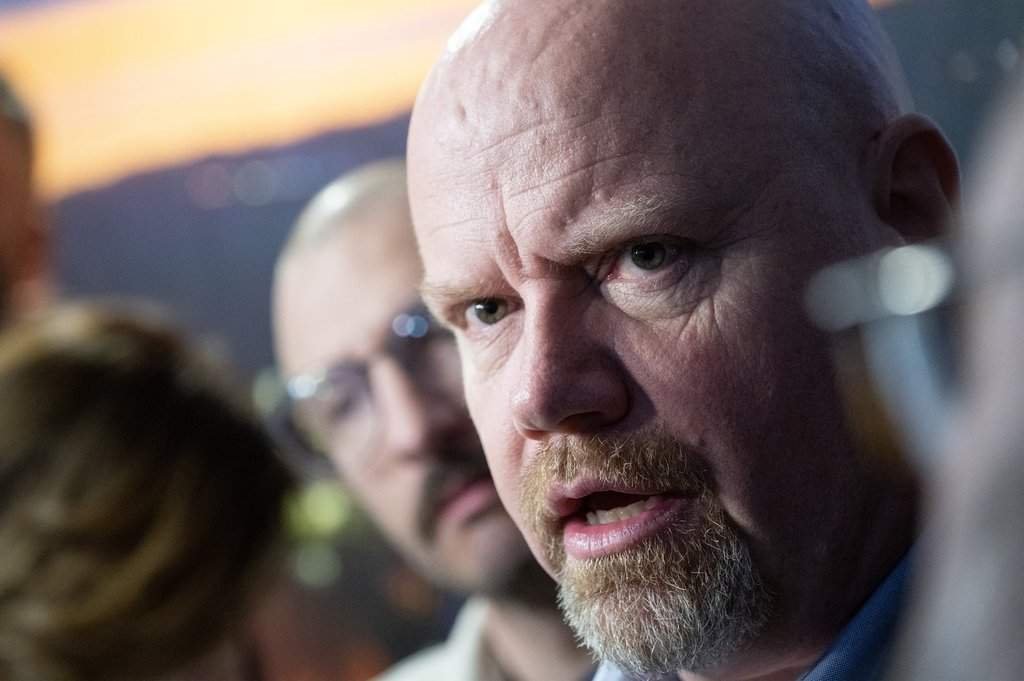
Quebec Minister Appoints Independent Observer to Oversee Montreal Police Investigations
Quebec Domestic Security Minister Ian Lafrenière announced on Saturday that lawyer Anne-Marie Boisvert has been named to serve as an independent observer for ongoing investigations into allegations of racism involving officers from the Montreal police service. The appointment comes more than a week after the force took internal measures at Station 39 in Montréal-Nord, including the dismantling of a night patrol unit and the reassignment or suspension of personnel. Boisvert will monitor both the criminal and disciplinary processes and report her findings and recommendations directly to the minister.
The decision reflects the provincial government's authority over municipal policing standards in Quebec. Under the Police Act, the minister holds responsibility for ensuring that investigations into officer conduct meet expectations of integrity. Lafrenière stated that Boisvert's role is to confirm the investigations proceed with impartiality and to alert him immediately should any irregularities or lack of cooperation arise from the Montreal police service.
Background to the Measures Taken at Station 39
On June 12, Montreal police leadership disclosed that a night patrol unit operating out of Station 39 had been dismantled. Fourteen officers were reassigned from public-facing duties, and two others were suspended pending further review of alleged discriminatory and racist behaviour toward citizens. Police Chief Fady Dagher indicated that the case files concerning the two suspended officers have been forwarded to prosecutors, who will decide whether criminal charges are warranted.
These steps occurred within the framework of municipal policing in Quebec, where local forces operate under provincial oversight while also being subject to federal Charter protections. The rapid internal response by the Montreal police service illustrates the tension between operational autonomy and the need for external accountability when serious allegations surface in neighbourhoods such as Montréal-Nord.
Chief Dagher has emphasised that the reports of haircutting were part of the allegations under review. The service has not released additional operational details, consistent with the early stage of both the criminal and disciplinary streams.
Nature of the Allegations and Media Reporting
La Presse and Radio-Canada reported that the allegations include claims that officers cut the hair of racialized citizens to keep it as trophies. Chief Dagher confirmed that such reports form part of the material being examined by investigators. No further specifics have been made public by the police service or the minister's office.
The handling of these allegations occurs against the backdrop of longstanding concerns about police interactions with racialized communities in Quebec. Civil liberties groups have repeatedly highlighted the importance of transparent processes when such claims arise, noting that public confidence depends on demonstrable independence in both criminal and administrative reviews.
Because the files are now with prosecutors, any decision on charges will follow established Quebec procedures rather than direct ministerial direction. This separation of functions is designed to protect the integrity of the justice system while still allowing provincial oversight of police governance.
Qualifications and Mandate of Anne-Marie Boisvert
Anne-Marie Boisvert is a former dean of the Université de Montréal's law faculty and chaired the Quebec bar's criminal law committee for many years. Her selection as independent observer brings recognised legal expertise to the monitoring role. The minister's statement on X outlined that Boisvert must ensure the investigations are conducted with integrity and impartiality and must notify him promptly of any concerns.
The mandate does not replace existing investigative bodies but adds an additional layer of external scrutiny. In the Quebec context, where municipal police forces fall under provincial jurisdiction, such appointments allow the minister to fulfil oversight responsibilities without assuming direct control of day-to-day investigations.
Boisvert's background in criminal law is expected to inform her assessment of both procedural fairness and substantive thoroughness. Her eventual report will contain findings and recommendations that could influence future policy decisions at the provincial level.
Requests from Civil Society Organizations for a Public Inquiry
On Thursday, four organizations—Hoodstock, the Saint-Michel legal clinic, the Ligue des droits et libertés, and the Canadian Civil Liberties Association—sent a joint letter to the Quebec government requesting a public inquiry into police racism and racial profiling within the Montreal police service. The groups argued that the seriousness of the allegations warrants broader examination beyond internal and prosecutorial channels.
These organizations operate within a Canadian tradition of civil society engagement with policing issues. Their request aligns with past instances in which public inquiries have examined systemic questions that individual investigations cannot fully address. The letter underscores the federal Charter dimensions of equality and security of the person that arise when allegations of racial profiling are made.
The involvement of both Quebec-based and national civil liberties groups illustrates the intersection of provincial policing matters with wider Canadian debates on accountability. Any future inquiry would need to navigate the division of responsibilities between municipal, provincial, and federal jurisdictions.
Premier Fréchette's Position and Possible Next Steps
On Friday, Quebec Premier Christine Fréchette stated that the government has not ruled out launching a public investigation but wishes to review the results of the ongoing criminal and disciplinary processes before deciding on further steps. This measured approach reflects the province's preference for sequential rather than parallel proceedings in sensitive cases.
The premier's comments highlight the federal-provincial dynamics inherent in policing reform. While Quebec maintains primary jurisdiction over the administration of justice within its borders, Charter challenges and national civil liberties standards often bring federal considerations into play. A public inquiry, if ultimately convened, would operate under provincial authority yet could address questions of broader Canadian relevance.
Minister Lafrenière has indicated that a public inquiry remains an option once the criminal investigation concludes. This sequencing allows the current processes to unfold without interference while preserving the government's ability to examine systemic issues at a later stage.
Implications for Police Accountability in Quebec and Canada
The appointment of an independent observer represents one mechanism available to Quebec to strengthen oversight of municipal police conduct. In a province where local forces handle the majority of day-to-day policing, external monitoring can help address public concerns about impartiality without altering the fundamental structure of police governance.
Broader questions of racial profiling and systemic bias in policing continue to receive attention across Canada. Quebec's current process may inform discussions in other provinces facing similar allegations, particularly where Charter rights and provincial police legislation intersect. The outcome of Boisvert's review could contribute to policy development on training, discipline, and community relations.
Ultimately, the effectiveness of the observer's mandate will depend on the degree of cooperation extended by the Montreal police service and the transparency with which findings are communicated. Quebec's cautious, staged approach leaves room for additional measures should the initial investigations prove insufficient to address the concerns raised by civil society organizations.
Tags: Montreal police, racism allegations, Ian Lafrenière, Anne-Marie Boisvert, Quebec policing, civil liberties, public inquiry, Station 39, racial profiling
By Alex Thompson, Staff Writer
This article was produced with AI-assisted research and editorial support. Reporting is based on sources cited in the article.
What's Your Reaction?
 Like
0
Like
0
 Dislike
0
Dislike
0
 Love
0
Love
0
 Funny
0
Funny
0
 Wow
0
Wow
0
 Sad
0
Sad
0
 Angry
0
Angry
0

Canada Correspondent at Global1.News. Based in Toronto, covering Canadian politics, energy, trade, and US-Canada relations. Provides the Canadian perspective on North American and global affairs.













Comments (0)