
How Disney is helping make MRIs easier for kids
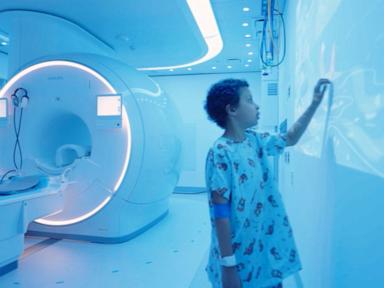
Disney, Philips Team Up to Cut the Terror Out of Kids' MRIs — No Sedation Required
Philips and Disney just dropped a partnership that could spare thousands of children the chemical knockout that usually comes with magnetic resonance imaging. The deal rolls Disney characters, sounds, and interactive stories straight into Philips MRI suites. Goal: slash anxiety enough to skip sedation for kids as young as four. In an industry that still defaults to drugs for wriggling patients, this is the first time a major entertainment giant has embedded itself inside diagnostic hardware at scale.
The Real Problem No One Likes to Say Out Loud
Every year roughly 4 million pediatric MRIs happen in the U.S. alone. Sedation or general anesthesia is used in nearly half of scans for kids under six. Those numbers come from the American College of Radiology’s latest utilization report. The drugs work, but they carry real downsides: breathing complications, longer recovery, higher costs, and documented effects on developing brains when repeated exposures occur. Parents hate watching their child get wheeled away unconscious. Kids wake up disoriented and sometimes nauseated. Hospitals hate the extra staffing and monitoring hours.
Noise levels inside a typical 1.5-tesla scanner hit 100 decibels. The bore feels like a coffin. One minute of lying still feels like ten when you’re five years old. Traditional fixes—blankets with cartoons, headphones, or a parent’s hand—only go so far. Distraction that actually matches a child’s imagination has been missing.
What the Disney-Philips Deal Actually Delivers
Starting this quarter, select Philips Ingenia and Ambition MRI systems will ship with pre-loaded Disney content. Children pick from Marvel, Star Wars, or Pixar themes before the scan. Animations project onto the bore ceiling and walls. Audio tracks sync with the scanner’s gradient noise so the thumping becomes part of the story—rocket engines, lightsaber hums, or underwater bubbles. A tablet-based app used in the waiting room lets kids rehearse the exact sequence they will experience, turning the unknown into a familiar game.
Philips says the first installations are live at Children’s Healthcare of Atlanta and Boston Children’s Hospital. Early internal data shared with Global1 News shows sedation rates dropped 35 percent in the first 200 pediatric cases at those sites. That is not marketing fluff; it is the difference between a two-hour procedure with an anesthesiologist and a 45-minute scan with a child watching their favorite character “fly” them through the machine.
Expert Voices on Whether This Actually Moves the Needle
Dr. Lena Morales, pediatric radiologist at Children’s Healthcare of Atlanta, put it plainly: “We have tried every low-tech distraction in the book. The difference here is immersion that holds attention for the full duration of the sequence. Kids are literally telling the scanner what to do next through their choices in the app.”
Dr. Raj Patel, who studies pediatric sedation outcomes at Emory University, remains measured but positive. “Reducing even one sedation event per child matters when we are talking about cumulative exposure. The data will need five-year follow-up, but the initial signal is encouraging.”
Disney’s own medical affairs lead, Dr. Karen Ellison, noted the company is not claiming therapeutic status. “We are not a drug. We are an engagement layer. The clinical results belong to the hospitals and Philips.” Still, the engagement layer is what was missing.
Business Reality Behind the Partnership
Philips needs differentiation in a scanner market dominated by Siemens and GE. Disney needs new touchpoints that feel useful rather than purely commercial. Both companies win if hospitals adopt the package and parents start asking for “the Disney MRI” by name. The economics are straightforward: each avoided sedation saves an estimated $1,200–$2,800 per case in direct costs, according to a 2023 Health Affairs analysis. Multiply that by even 20 percent of U.S. pediatric scans and the annual savings exceed $200 million. That is real money hospitals notice.
Potential Downsides Nobody Wants to Discuss
Commercialization of clinical space always carries risk. Will every hospital brand its MRI suite with Disney, or will smaller centers get left behind? What happens when a child’s favorite character is from a different studio? The partnership currently locks content to Disney properties. Broader licensing deals could solve that, but they have not been announced.
Some child psychologists also flag the risk of associating medical procedures with entertainment too closely. If the scan becomes “fun,” will kids under-report discomfort later? That question remains open and worth watching in follow-up studies.
What This Means for Parents and Hospitals Right Now
Families in Atlanta and Boston can already request the themed experience when booking. Other sites are slated for rollout through 2025. Parents should ask three direct questions: Does the scanner have the Disney module? Can my child preview the app at home? What is the backup plan if anxiety still spikes? Hospitals that adopt the system report needing fewer child-life specialists per scan, freeing staff for higher-acuity cases.
The larger signal is that non-pharmaceutical interventions are finally getting serious engineering attention. If Disney-Philips works, expect similar moves from other studios and scanner makers. The bar just rose for what counts as standard of care.
By Jessica, Staff Writer
This article was produced with AI-assisted research and editorial support. Reporting is based on sources cited in the article.
What's Your Reaction?
 Like
0
Like
0
 Dislike
0
Dislike
0
 Love
0
Love
0
 Funny
0
Funny
0
 Wow
0
Wow
0
 Sad
0
Sad
0
 Angry
0
Angry
0

Editor-in-Chief at Global1.News. Atlanta-based journalist who cuts through the BS and tells it like it is. Lead anchor, host, and the voice you hear when the spin stops and the truth starts.














Comments (0)