
Sanctions at ILA Haifa: Public Reception Suspended After Funding Dispute
<h2>Immediate Impact on Haifa Residents as ILA Services Suspended</h2> <p>The Israel Land Authority office in Haifa suspended public reception this week, leaving residents without access to in-person land registration, property transactions, and planning services. This sudden halt affects the daily operations of a city of approximately 300,000 people, along with the greater metropolitan area that includes the Krayot suburbs. Families and businesses that rely on direct assistance for property mat

Immediate Impact on Haifa Residents as ILA Services Suspended
The Israel Land Authority office in Haifa suspended public reception this week, leaving residents without access to in-person land registration, property transactions, and planning services. This sudden halt affects the daily operations of a city of approximately 300,000 people, along with the greater metropolitan area that includes the Krayot suburbs. Families and businesses that rely on direct assistance for property matters now face delays at a time when wartime conditions already complicate routine administrative tasks.
Haifa residents have expressed frustration over the lack of face-to-face support, particularly for complex land issues that cannot be easily resolved remotely. The suspension follows the Finance Ministry’s decision to cancel a half-hour adaptation period previously granted to ILA employees. Local observers note that the move has created immediate bottlenecks in an already strained system, with many individuals unsure where to turn for urgent property-related needs.
City officials and community representatives have highlighted the practical difficulties this creates for ordinary citizens navigating wartime bureaucracy. Without the ILA counter open, transactions involving land registration or planning approvals must wait, adding another layer of uncertainty for those dealing with housing or development matters in Haifa and surrounding areas.
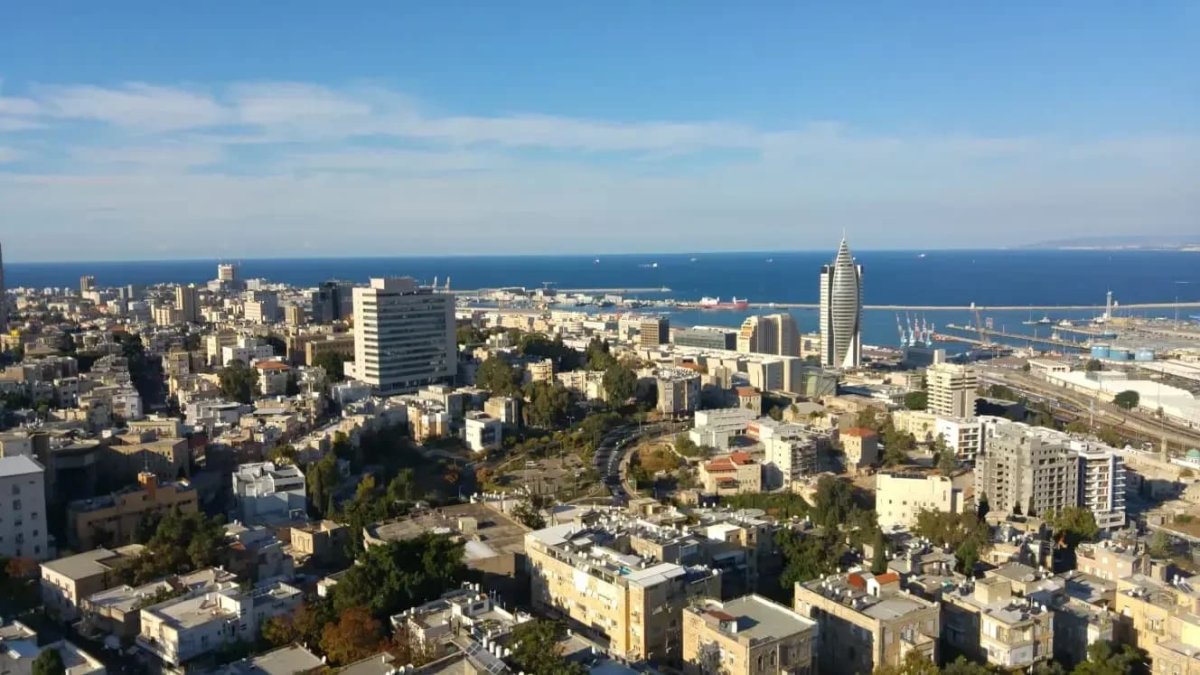
The Sail Tower in Haifa's Government Quarter before the strike. (Jerusalem Post)
Background on the Sail Tower Strike and ILA Relocation
In mid-2025, an Iranian missile struck the Sail Tower in Haifa’s Government Quarter, causing major structural damage and injuring dozens of people. The attack forced multiple government offices, including the Israel Land Authority branch, to evacuate the building and relocate to temporary premises. ILA staff have now operated from these alternative locations for a full year under notably difficult working conditions.
The relocation disrupted established workflows and required employees to adapt to less suitable facilities while continuing to serve the public. The Sail Tower incident formed part of a broader pattern of strikes on Haifa’s infrastructure, underscoring the vulnerability of central government buildings in the region. Staff have since managed operations without the full resources available in the original tower.
Over the past year, the temporary setup has tested the resilience of ILA personnel tasked with maintaining land and planning services. The move from the Sail Tower has been a constant reminder of the security challenges facing Haifa, with employees balancing professional duties against ongoing regional threats that first prompted their displacement.
The Adaptation Period Dispute and Finance Ministry Decision
The Finance Ministry recently cancelled the half-hour adaptation period that had been in place for ILA employees following their relocation after the Sail Tower strike. This measure, previously intended to ease the transition to temporary premises, was viewed by staff as essential support amid challenging conditions. Its removal has been interpreted by some as punitive sanctions imposed during an already tense period.
ILA employees had relied on this short daily adjustment window to manage the practical difficulties of working from makeshift offices. The cancellation has heightened tensions between the workforce and the Finance Ministry, with the change taking effect just as public services were already under pressure from wartime demands. Ministry officials have not publicly detailed the rationale behind ending the arrangement.
The dispute reflects broader administrative frictions that arise when central government policies intersect with local operational realities. For Haifa’s ILA branch, the loss of the adaptation period has compounded existing strains from the year-long temporary arrangement, prompting the current suspension of public reception as staff respond to the new constraints.
Public Impact on Land Registration and Planning Services in Wartime
Haifa residents now lack reliable in-person access to essential ILA functions, including land registration, property transactions, and planning approvals. These services are critical for individuals and businesses managing real estate matters, yet the suspension has forced many to postpone or seek alternative, often less efficient, channels. The timing coincides with ongoing security challenges that already disrupt normal economic activity in the city.
Property owners and developers in Haifa and the Krayot suburbs report added complications when attempting to complete paperwork or obtain necessary approvals. Without direct counter service, even routine requests require additional coordination, extending timelines for transactions that were already slowed by wartime conditions. This situation affects both private citizens and commercial entities dependent on timely land authority processing.
The absence of in-person support has also raised concerns about equitable access, as not all residents possess the digital literacy or resources to navigate online alternatives effectively. Local communities have noted that the current arrangement places an uneven burden on those most in need of direct assistance during a period of regional instability.
Political Dynamics Between Finance Ministry and ILA Staff
Finance Minister Bezalel Smotrich has enforced strict administrative measures throughout the ongoing conflict, including oversight of personnel policies at government agencies. The decision to cancel the adaptation period for ILA employees in Haifa fits within this approach, though it has generated friction with staff who see the change as disproportionate given their year of service from temporary facilities.
Relations between the Finance Ministry and ILA workers reflect wider debates over resource allocation and employee support during wartime. Ministry directives emphasize fiscal discipline and operational efficiency, while employees highlight the practical hardships of maintaining services after the Sail Tower relocation. These differing priorities have contributed to the current standoff and service suspension.
Local political figures in Haifa have watched the developments closely, recognizing that central government decisions directly influence the delivery of essential services in their communities. The episode illustrates how national-level policies intersect with regional needs, particularly in areas facing sustained security pressures.
War Context for Haifa and Ongoing Missile Threats
The 2026 Iran-Israel war has repeatedly targeted Haifa Bay, including refineries, the port, and surrounding infrastructure. These attacks have placed continuous strain on the city’s economy and public services, with residents adapting to intermittent disruptions and heightened security protocols. The ILA office suspension adds to the cumulative challenges faced by the metropolitan area encompassing Haifa and the Krayot suburbs.
Haifa’s strategic location has made it a focal point in the conflict, affecting everything from industrial operations to everyday administrative functions. The Sail Tower strike in mid-2025 was one early incident in this sequence, leading directly to the ILA’s relocation and the subsequent workplace adjustments now under review by the Finance Ministry.
Economic pressures have intensified as businesses and households contend with both direct war impacts and secondary effects such as delayed government services. The combination of physical threats to Haifa Bay infrastructure and administrative hurdles at agencies like the ILA underscores the multifaceted difficulties confronting the region during this period of sustained conflict.
Outlook for Resolution and Alternative Service Channels
Prospects for restoring full ILA public reception in Haifa depend on whether the Finance Ministry and ILA staff can reach an accommodation regarding the cancelled adaptation period. Discussions between the parties may focus on balancing employee welfare with the ministry’s administrative standards, though no immediate timeline has been announced for resuming normal counter operations.
Residents are exploring whatever limited remote or regional options remain available while the Haifa office stays closed. These alternatives, however, cannot fully replicate the in-person assistance previously provided, leaving gaps in service for complex land and planning matters that require direct interaction with authority personnel.
Longer-term resolution will likely require attention to the underlying conditions created by the Sail Tower relocation and the broader wartime environment. Observers in Haifa continue to monitor developments, aware that the current suspension reflects intersecting pressures from security threats, administrative policy, and the practical needs of a large metropolitan population.
By Hannah Berg, Staff WriterWhat's Your Reaction?
 Like
0
Like
0
 Dislike
0
Dislike
0
 Love
0
Love
0
 Funny
0
Funny
0
 Wow
0
Wow
0
 Sad
0
Sad
0
 Angry
0
Angry
0













Comments (0)