
Khamenei Funeral: Iran Buries Supreme Leader Amid Week-Long Ceremonies
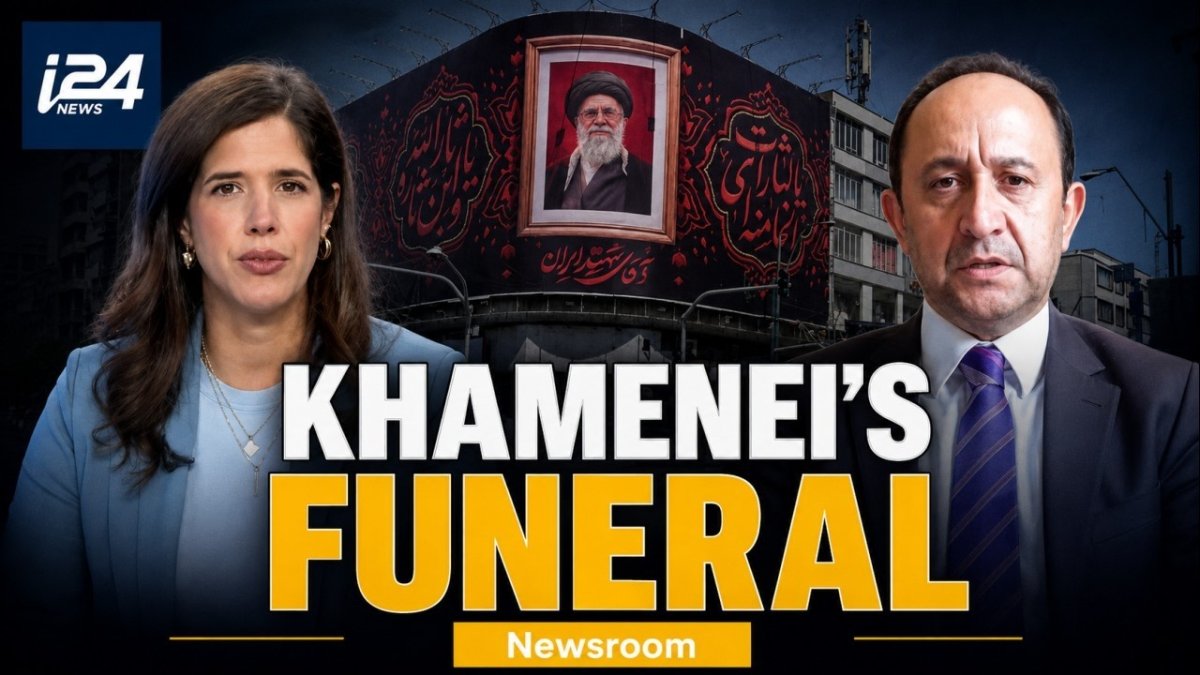
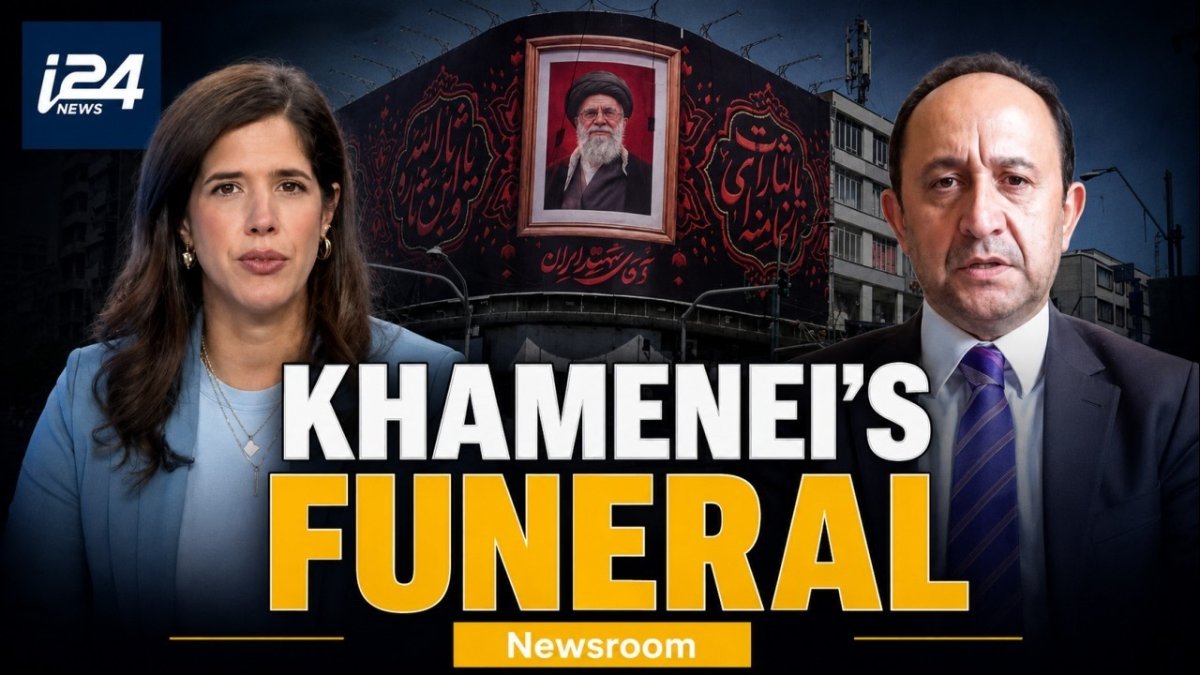
In a recent i24NEWS report, Iran lecturer Dr. Meir Javendanfar joined Bianca Zanini to break down the historic week-long funeral ceremonies for late Supreme Leader Ayatollah Ali Khamenei. The funeral, which runs from July 3 through July 9 across five cities in Iran and Iraq, represents the largest state funeral in modern Iranian history and carries profound implications for Isr
In a recent i24NEWS report, Iran lecturer Dr. Meir Javendanfar joined Bianca Zanini to break down the historic week-long funeral ceremonies for late Supreme Leader Ayatollah Ali Khamenei. The funeral, which runs from July 3 through July 9 across five cities in Iran and Iraq, represents the largest state funeral in modern Iranian history and carries profound implications for Israel's security posture, the future of the Islamic Republic, and the broader Middle East balance of power.
Iran Buries Its Supreme Leader: Khamenei's Week-Long Funeral and What It Means for Israel and the Region
Jerusalem, Israel – July 5, 2026 —
Funeral Schedule and Scale
According to an i24NEWS report, Iran's week-long funeral for the late Supreme Leader Ayatollah Ali Khamenei is underway from July 3 to July 9, 2026. The ceremonies, which were originally scheduled for March 2026 but postponed due to the Iran war, have drawn tens of thousands of mourners to Tehran's Grand Mosalla for the initial proceedings. i24NEWS reported that the funeral spans five cities, including Tehran, Qom, Najaf in Iraq, Karbala in Iraq, and Mashhad, reflecting the regime's intent to project both national unity and regional religious significance.
The scale of the event is unprecedented in recent Iranian history. Dr. Meir Javendanfar, an Iran lecturer featured in the i24NEWS English YouTube report titled "Late Iranian Supreme Leader Khamenei's funeral: What you need to know," explained that the multi-city itinerary allows the Islamic Republic to honor Khamenei's legacy across key Shia holy sites. In Tehran alone, the Grand Mosalla has become the focal point for mass gatherings, with processions expected to continue throughout the week. The inclusion of Iraqi cities like Najaf and Karbala underscores the transnational nature of Shia mourning rituals, drawing parallels to historical funerals that reinforced clerical authority.
Further details from the i24NEWS coverage highlight logistical preparations involving state media broadcasts and coordinated transport for mourners. The postponement from March allowed authorities to stabilize the country following the conflict, ensuring the ceremonies could proceed without immediate disruption. Javendanfar noted that such extended funerals serve not only as religious observances but also as platforms for political messaging, with the regime emphasizing continuity amid internal challenges. This elaborate schedule, spanning domestic and international locations, aims to solidify the narrative of Khamenei's enduring influence on both Iranian society and the broader Shia world.
Additional analysis in the report points to the involvement of religious institutions in Qom and Mashhad, where separate rites will commemorate Khamenei's scholarly contributions. The overall attendance figures, already reaching tens of thousands in the capital, are projected to swell as delegations arrive, creating a spectacle designed to demonstrate resilience. i24NEWS emphasized that these events are being closely monitored for any signs of dissent or regime consolidation efforts.
Security Concerns and Israel's Posture
i24NEWS reported that Iran has issued explicit warnings to the United States and Israel against any attacks during the funeral period. This caution comes as Israel's security establishment remains on high alert, with heightened vigilance across borders and intelligence networks. Dr. Meir Javendanfar provided context in the report, noting that the timing of the ceremonies creates a window of vulnerability that adversaries might seek to exploit, prompting preemptive defensive measures.
The Israeli posture reflects longstanding concerns over Iranian proxy activities and potential retaliatory strikes. According to the i24NEWS analysis, security forces have been instructed to monitor movements in sensitive areas, particularly those linked to Iranian influence operations. Javendanfar highlighted how the funeral's international scope could inadvertently provide cover for hostile actors, necessitating coordinated responses from Israeli defense officials. This state of readiness builds on prior experiences with regional tensions, ensuring that any escalation is met with calibrated deterrence.
Further reporting from i24NEWS underscores the diplomatic channels used to convey Iran's warnings, which were framed as protective measures for mourners and foreign guests alike. Israel's high-alert status includes enhanced surveillance and rapid-response capabilities, aimed at preventing incidents that could derail the fragile post-war environment. Javendanfar's breakdown in the video report illustrates the delicate balance between mourning rituals and geopolitical risks, suggesting that miscalculations during this period could have far-reaching consequences for stability in the Middle East.
Expanded coverage in the i24NEWS segment also addresses internal Iranian security deployments, with the Islamic Revolutionary Guard Corps (IRGC) playing a central role in crowd control and perimeter defense. This dual focus on external threats and domestic order reflects the regime's prioritization of a seamless funeral process, free from external interference.
Succession and IRGC Dynamics
The i24NEWS report identifies Mojtaba Khamenei as the expected successor to his father, Ayatollah Ali Khamenei. Dr. Meir Javendanfar analyzed the implications of this transition, emphasizing the role of the IRGC in shaping the post-Khamenei power structure. The funeral ceremonies are viewed as a critical juncture for consolidating support around Mojtaba, whose elevation would mark a shift toward a more dynastic element within the theocratic system.
Javendanfar explained that the IRGC's influence has grown significantly in recent years, positioning it as a key arbiter in succession matters. According to the report, the week-long events provide an opportunity for the Guard to demonstrate loyalty while navigating internal factions. This dynamic is complicated by the need to balance clerical traditions with military priorities, potentially affecting policy directions on nuclear issues and regional engagements.
i24NEWS coverage further explores how Mojtaba's anticipated role could alter the balance of power, with the IRGC likely gaining greater sway over decision-making processes. The funeral's multi-city format allows for strategic displays of unity, reinforcing the narrative of seamless continuity. Javendanfar's insights underscore the risks of factional infighting during this period, which could undermine the regime's stability if not managed carefully.
Additional context from the analysis highlights historical precedents in Iranian leadership transitions, where funerals have served as catalysts for power realignments. The IRGC's evolving role suggests a more assertive posture in both domestic politics and foreign policy, with implications for Iran's interactions with neighboring states and global powers.
International Diplomacy and Delegations
Delegations from more than 100 countries are attending the funeral, as reported by i24NEWS. This broad international participation signals the global interest in Iran's leadership transition and the potential for diplomatic overtures amid the ceremonies. Dr. Meir Javendanfar discussed how these visits could facilitate backchannel communications, even as tensions with the West persist.
The i24NEWS report details the logistical arrangements for these delegations, including security protocols and ceremonial protocols at key sites. Javendanfar noted that the presence of high-level representatives from diverse nations underscores Iran's efforts to project legitimacy on the world stage. This diplomatic dimension adds layers of complexity to the funeral, blending mourning with opportunities for dialogue on sanctions relief and regional de-escalation.
Further examination in the coverage reveals how the event's scale amplifies Iran's soft power projection, particularly through religious networks in Iraq. The warnings issued to the US and Israel are framed within this international context, aiming to deter disruptions that could embarrass the regime before foreign observers. Javendanfar's analysis suggests that successful management of these delegations could bolster Iran's negotiating position in future talks.
The report also addresses the symbolic weight of attendance from Shia-majority countries, which reinforces transnational alliances. Overall, the international element transforms the funeral into a platform for subtle diplomacy, with outcomes that may influence Iran's trajectory in the coming months.
Regional Implications
The funeral's regional implications extend beyond Iran's borders, as outlined in the i24NEWS report. Dr. Meir Javendanfar highlighted how the ceremonies in Najaf and Karbala could strengthen ties with Iraqi Shia communities, potentially affecting power dynamics in post-conflict Iraq. This cross-border dimension raises questions about Iranian influence operations and their reception among local populations.
i24NEWS reported that the event coincides with ongoing regional realignments, where Iran's posture during the funeral may signal intentions regarding proxy engagements. Javendanfar's breakdown emphasizes the potential for heightened tensions with Sunni-majority states, particularly if the succession process appears unstable. The multi-city itinerary serves as a reminder of Iran's historical claims to leadership within the Shia world, with ripple effects on alliances in Lebanon, Syria, and Yemen.
Analysis from the report points to Israel's heightened alert as a direct response to these regional shifts, underscoring the interconnected nature of security concerns. The funeral thus acts as a barometer for broader Middle Eastern stability, with outcomes that could either ease or exacerbate existing conflicts. Javendanfar noted the importance of monitoring IRGC activities during this period for signs of assertive regional policies.
Expanded insights reveal how economic and energy considerations intersect with these implications, as international delegations may seek assurances on oil market stability. The overall effect is a funeral that transcends domestic mourning to influence geopolitical calculations across the region.
What This Means Going Forward
Looking ahead, the i24NEWS report suggests that the funeral marks a pivotal moment for Iran's internal cohesion and external relations. Dr. Meir Javendanfar concluded that Mojtaba Khamenei's expected succession, coupled with IRGC influence, could steer the country toward more centralized control. This transition period will test the regime's ability to maintain order while managing international expectations.
According to the coverage, Israel's security posture is likely to remain elevated in the weeks following the ceremonies, reflecting ongoing assessments of Iranian intentions. Javendanfar's analysis indicates that successful completion of the funeral without incident could open avenues for cautious diplomacy, though underlying rivalries persist. The event's scale and international attendance provide a foundation for future engagements, provided security concerns are addressed.
i24NEWS emphasized the long-term ramifications for regional stability, including potential shifts in proxy dynamics and nuclear negotiations. The postponed timing due to the Iran war adds a layer of resilience to the narrative, positioning the ceremonies as a symbol of recovery. Javendanfar's expert commentary frames these developments as critical indicators of Iran's trajectory, urging close observation from global stakeholders.
In summary, the funeral represents both an end and a beginning, with implications that will unfold over months and years. The interplay of religious ritual, political succession, and security alerts creates a complex landscape that demands nuanced understanding from observers worldwide.
By Hannah Berg, Staff Writer
This article was produced with AI-assisted research and editorial support. Reporting is based on sources cited in the article.
What's Your Reaction?
 Like
0
Like
0
 Dislike
0
Dislike
0
 Love
0
Love
0
 Funny
0
Funny
0
 Wow
0
Wow
0
 Sad
0
Sad
0
 Angry
0
Angry
0
Israel Correspondent at Global1.News. Based in Tel Aviv, covering Israeli politics, security, technology, and society. Provides balanced, deeply-sourced reporting on one of the most closely-watched regions in the world.










Comments (0)