
Hontiveros to Colleagues Pushing Virtual Senate Attendance: 'Show Up and Do Your Job'
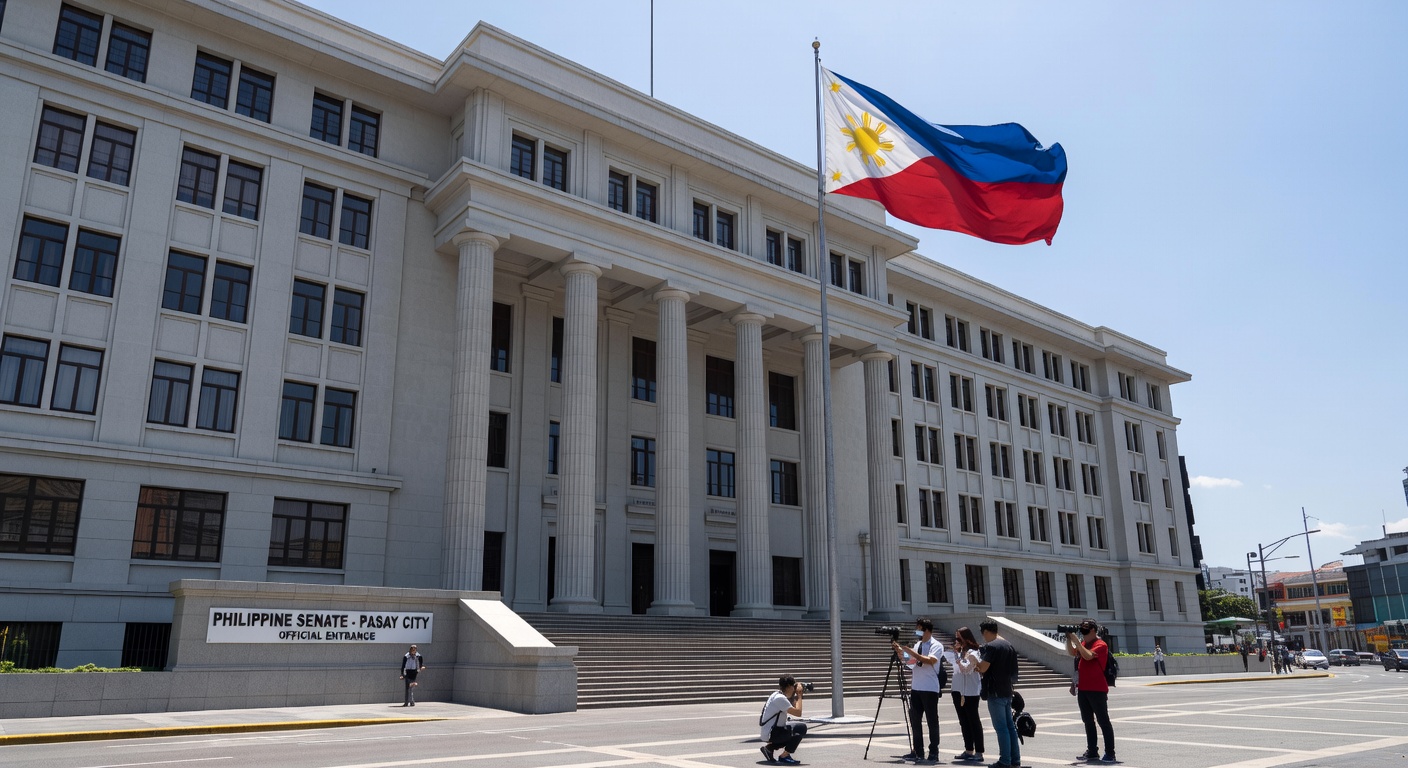
Hontiveros to Colleagues Pushing Virtual Senate Attendance: 'Show Up and Do Your Job'
Philippine Senator Risa Hontiveros has thrown down the gauntlet. In response to a push by Senate colleagues — led by Sen. Rodante Marcoleta — to allow virtual attendance in sessions and committee hearings, Hontiveros delivered a blunt rebuttal: "Our constituents sent us here to be present, to deliberate, and to vote. You cannot do that from your living room."
The debate over virtual attendance has become one of the most contentious issues in the Philippine Senate, touching on questions of institutional integrity, legislative effectiveness, and the proper conduct of public office.
The Virtual Attendance Proposal
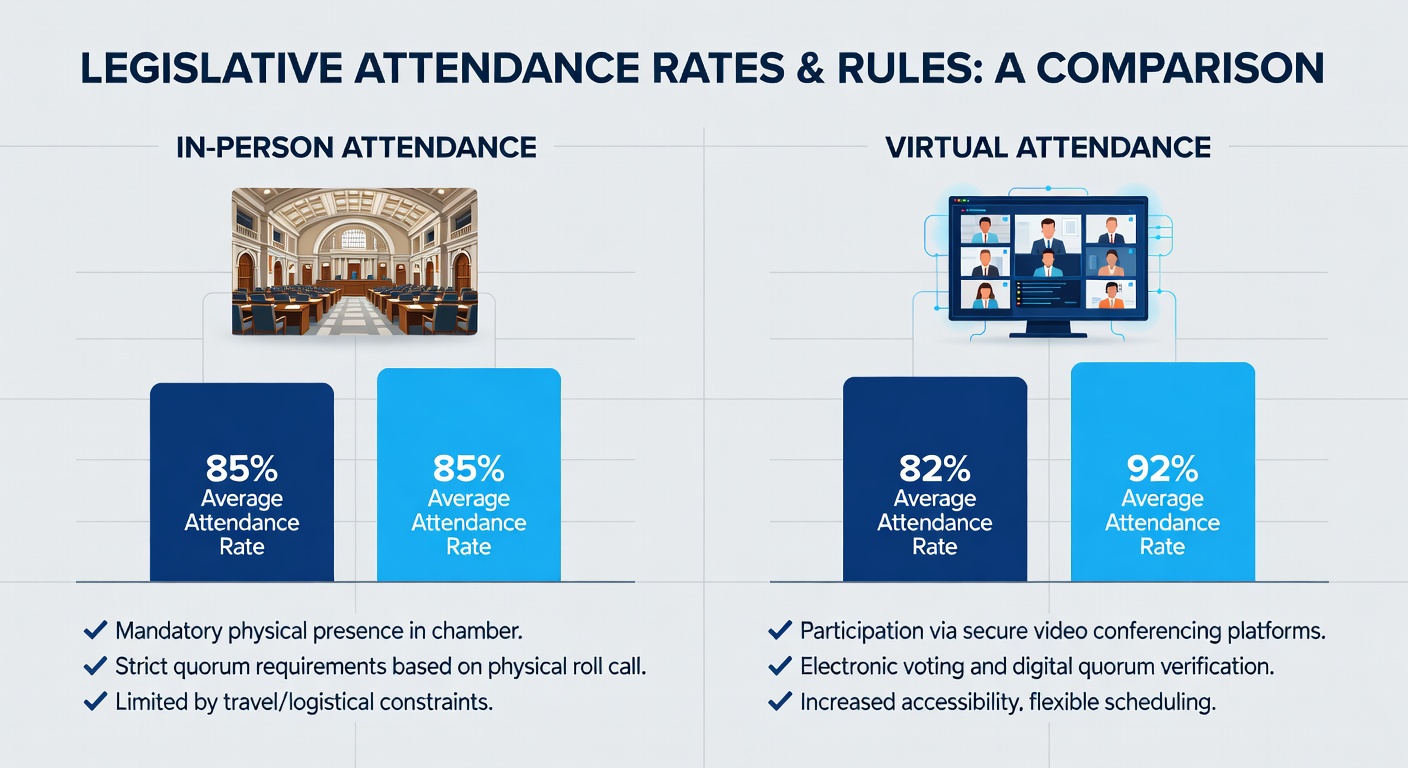
The proposal, championed by Marcoleta and supported by a bloc of majority senators, would allow senators to participate in sessions and committee hearings remotely — via video conferencing — when they are unable to attend in person. Supporters argue that the measure would increase flexibility and ensure that legislative business does not stall when senators are ill, traveling, or facing legal restrictions.
Critics, however, see it very differently. They argue that the proposal is a thinly veiled attempt to accommodate senators who are facing legal troubles — including Marcoleta himself, who is currently subject to a travel ban related to his own graft case. "This is not about flexibility," Hontiveros said. "This is about finding ways to work around accountability."
The timing of the proposal has fueled suspicion. Marcoleta's legal team has been fighting the travel ban, and the virtual attendance measure would allow him to continue participating in Senate proceedings even if he is barred from leaving the country. Critics say this is precisely the point — that the proposal is tailored to the needs of a few individuals rather than designed for the broader benefit of the institution.
The Core of the Debate
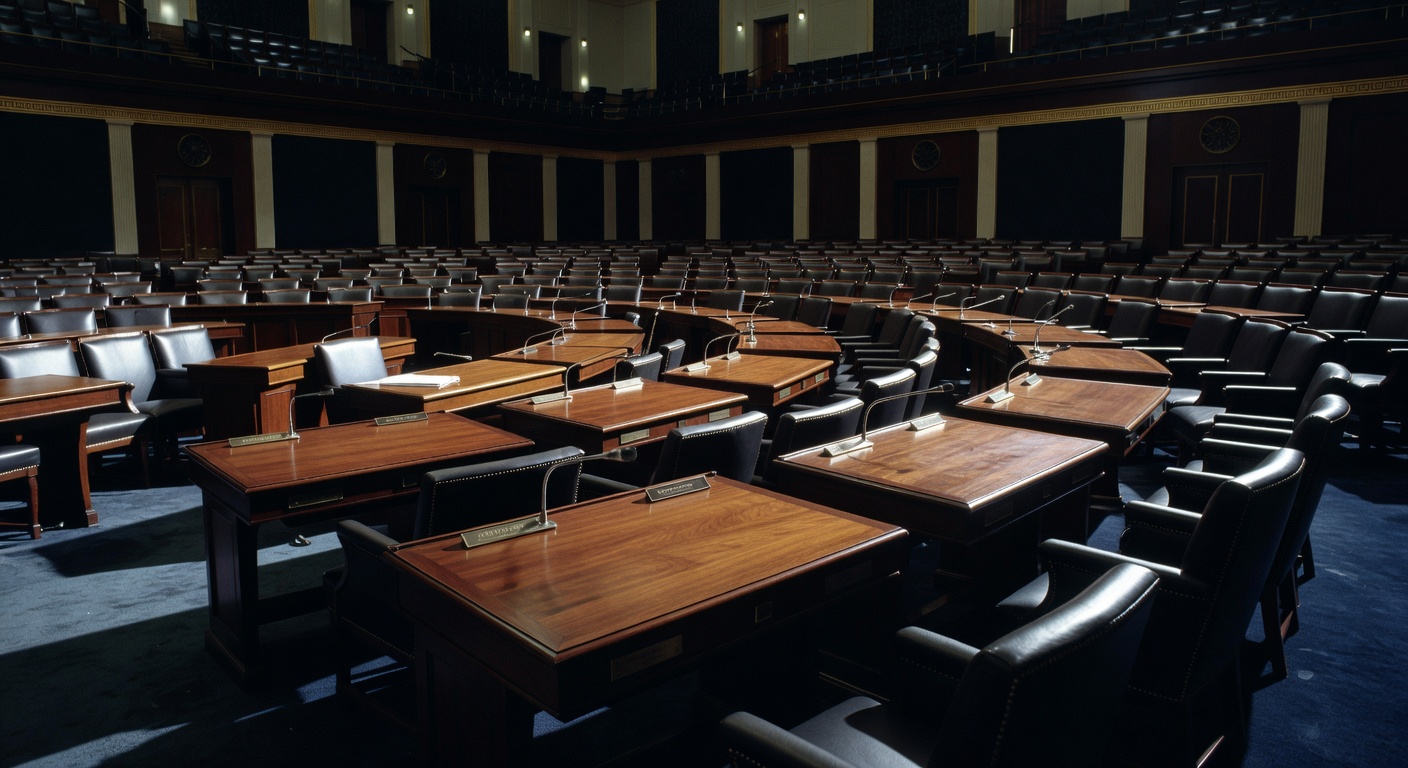
Beyond the immediate political maneuvering, the virtual attendance debate touches on fundamental questions about the nature of legislative work. Governance, Hontiveros argues, is inherently relational. It requires face-to-face deliberation, informal hallway conversations, and the kind of spontaneous engagement that virtual platforms cannot replicate.
"There is no substitute for being here," she said. "The conversations that shape legislation do not only happen in session. They happen in the halls, over coffee, in the quiet moments before a hearing begins. You lose all of that when you Zoom in."
Supporters of virtual attendance counter that technology has evolved, and that many parliaments around the world have adopted hybrid models successfully. They point to the British House of Commons, the European Parliament, and various national legislatures that allowed virtual participation during the COVID-19 pandemic as precedents.
The Deeper Stakes
The outcome of this debate will have lasting implications for Philippine governance. If virtual attendance is adopted, it could permanently change how the Senate operates — for better or worse. It could make the institution more accessible and efficient, or it could erode the accountability that comes with physical presence.
For Hontiveros, the principle at stake is simple: "If you cannot be here, you cannot serve." The question is whether her colleagues agree.
Key Takeaways
- Senator Hontiveros opposes the proposal to allow virtual Senate attendance, calling it a threat to institutional integrity.
- The proposal is led by Sen. Marcoleta, who is facing a travel ban in his own graft case.
- Supporters argue hybrid models have worked in other legislatures around the world.
- Hontiveros counters that governance requires physical presence and face-to-face deliberation.
- The outcome will set a precedent for how the Philippine Senate operates in the future.
Conclusion
The debate over virtual Senate attendance is about much more than logistics. It is about accountability, transparency, and the nature of democratic representation. Hontiveros has drawn a clear line. Now her colleagues must decide which side of it they stand on.
This is Bella Reyes for Global1 News, reporting from Manila. 🇵🇭
Global Precedents for Virtual Legislatures
The COVID-19 pandemic forced parliaments around the world to experiment with virtual and hybrid proceedings. The British House of Commons adopted a hybrid system in April 2020, allowing MPs to participate remotely. The European Parliament operated with virtual participation for months. New Zealand's parliament allowed remote voting. These experiments were broadly seen as successful emergency measures.
But there is a crucial difference: those were temporary adaptations to an extraordinary public health crisis, not permanent changes to legislative rules. The Philippine Senate proposal is not about responding to a pandemic — it is about making virtual attendance a permanent feature of the institution. Critics argue that what works as a temporary emergency measure is not necessarily appropriate as a permanent rule.
"There is a reason why parliaments around the world returned to in-person sessions as soon as it was safe," a governance expert noted. "Legislation is a human process. You lose something essential when you replace physical presence with a screen."
The Accountability Question
At the heart of the debate is a fundamental question about accountability. When a senator appears virtually, can they be held to the same standard of attention and engagement as a senator who is physically present? Can they be called to testify in committee? Can they be questioned in real time without the technical delays and distractions that video conferencing introduces?
"Virtual attendance creates a two-tier system," Hontiveros argued. "Some senators will be here, doing the work. Others will be at home, watching on a screen. That is not equal participation."
The proposal's supporters counter that modern technology has reached a point where the difference between in-person and virtual participation is negligible. They point to the success of hybrid work models in the private sector and argue that government should not be exempt from technological modernization.
What Comes Next
The Senate is expected to debate the proposal in the coming weeks. The outcome is uncertain. The majority bloc appears to support the measure, but the opposition — led by Hontiveros and her allies — has vowed to fight it. The debate will test not just the procedural rules of the Senate but the broader question of what Filipinos expect from their elected representatives.
In a country where trust in political institutions is already fragile, the virtual attendance debate is more than a procedural squabble. It is a test of whether the Senate is committed to the principles of transparency, accountability, and hard work that Hontiveros says are the foundation of democratic governance.
Public Opinion and the Perception of Privilege
One of the underappreciated dimensions of the virtual attendance debate is how it is perceived by ordinary Filipinos. In a country where many citizens struggle with long commutes, inadequate public transportation, and grueling work schedules, the idea that senators want to attend sessions from home does not sit well. "They earn millions in salary and benefits, and they cannot even bother to show up to work?" one social media commenter wrote. "We show up to our jobs every day. Why should they be different?"
The perception of privilege and entitlement is politically damaging for the Senate as an institution. Trust in Congress is already low. A vote in favor of virtual attendance — particularly if it is perceived as serving the interests of senators facing legal troubles — could further erode public confidence in the legislative branch.
The International Context
The Philippine Senate is not alone in grappling with the question of virtual legislative participation. Parliaments around the world have been wrestling with the same issue since the pandemic demonstrated that remote work is technically feasible for legislative bodies. Some have embraced hybrid models permanently. Others have returned to full in-person sessions. The debate reflects a broader societal conversation about the future of work, technology, and the value of physical presence.
What makes the Philippine case distinct is the specific political context. The proposal is being advanced by senators who face legal restrictions on their travel, which gives the debate an inescapable political dimension. In a different context, the proposal might be considered on its merits. In this context, it cannot escape the suspicion that it is driven by self-interest rather than principle.
Technology and Democratic Integrity
The broader question raised by this debate is whether technology enhances or undermines democratic governance. Digital tools have transformed nearly every aspect of modern life, and there is no reason why legislatures should be immune to innovation. Virtual participation could increase accessibility, reduce costs, and allow for more flexible scheduling. But technology is a tool, not a value. The question is whether its adoption serves the public interest or the private convenience of incumbents. That is a question only the voter can ultimately answer.
The virtual attendance debate is, at its core, a debate about what we expect from our elected representatives. Do we want them to be present, engaged, and accountable? Or are we willing to accept remote participation as the new normal? The answer will shape the future of Philippine democracy.
The Senate's decision on virtual attendance will reverberate far beyond the chamber. It will tell Filipinos whether their representatives are committed to showing up — or to staying home.
This article was produced with AI-assisted research and editorial support. Reporting is based on sources cited in the article.
What's Your Reaction?
 Like
0
Like
0
 Dislike
0
Dislike
0
 Love
0
Love
0
 Funny
0
Funny
0
 Wow
0
Wow
0
 Sad
0
Sad
0
 Angry
0
Angry
0

Philippines/Southeast Asia Correspondent at Global1.News. Manila-based journalist covering Philippine politics, environment, maritime security, and social issues. Passionate about marine conservation and the communities protecting the Philippines' natural heritage.












Comments (0)