
ICC Status Conference Sets Trial Protocols for Duterte as the Countdown to November Begins
ICC Status Conference Sets Trial Protocols for Duterte as the Countdown to November Begins
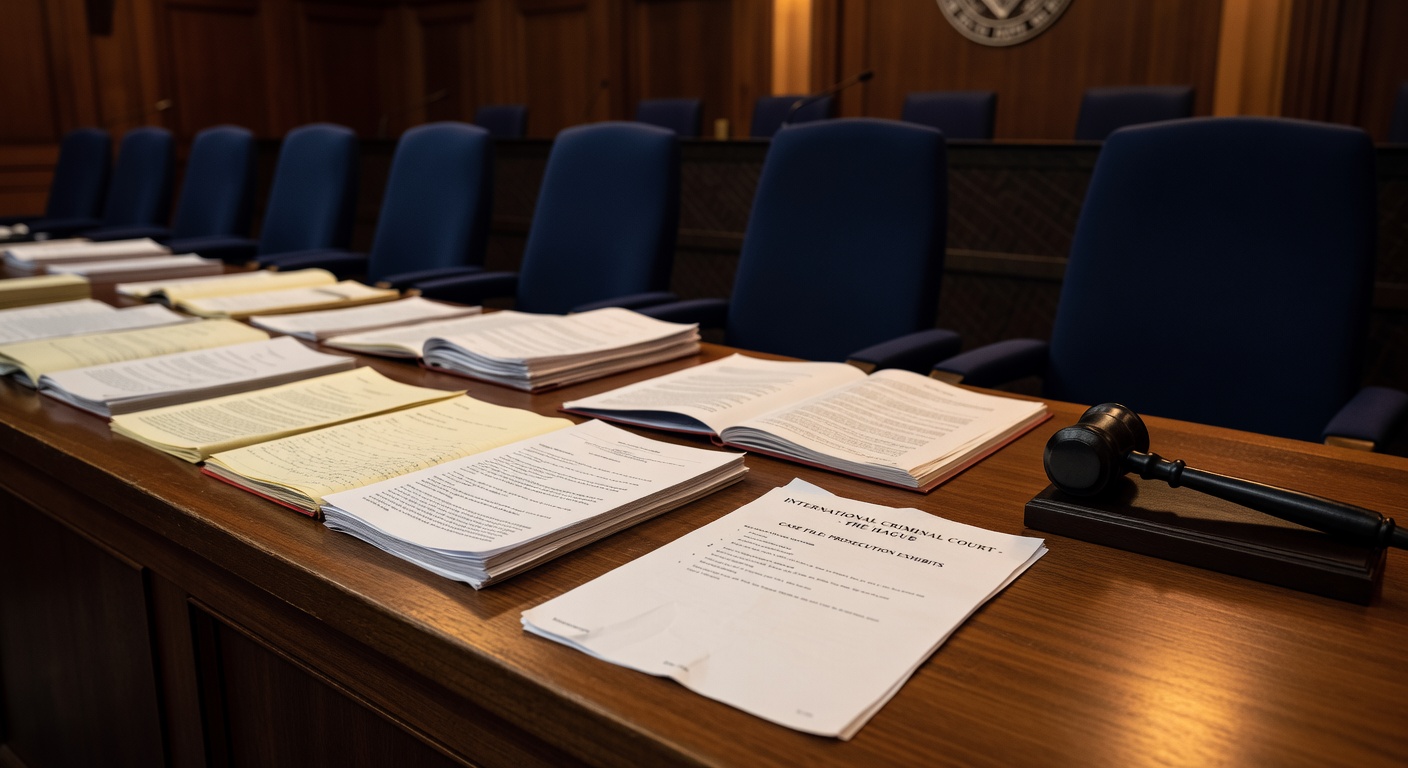
The International Criminal Court held a pivotal status conference on Wednesday to finalize the schedule and protocols for the trial of former Philippine President Rodrigo Duterte. The session — which covered everything from trial dates and evidence submission to language protocols and witness protection — set the stage for what promises to be one of the most consequential war crimes proceedings in recent memory.
Now that the conference has concluded, the shape of the trial is becoming clear. And there is no turning back.
What the Status Conference Decided
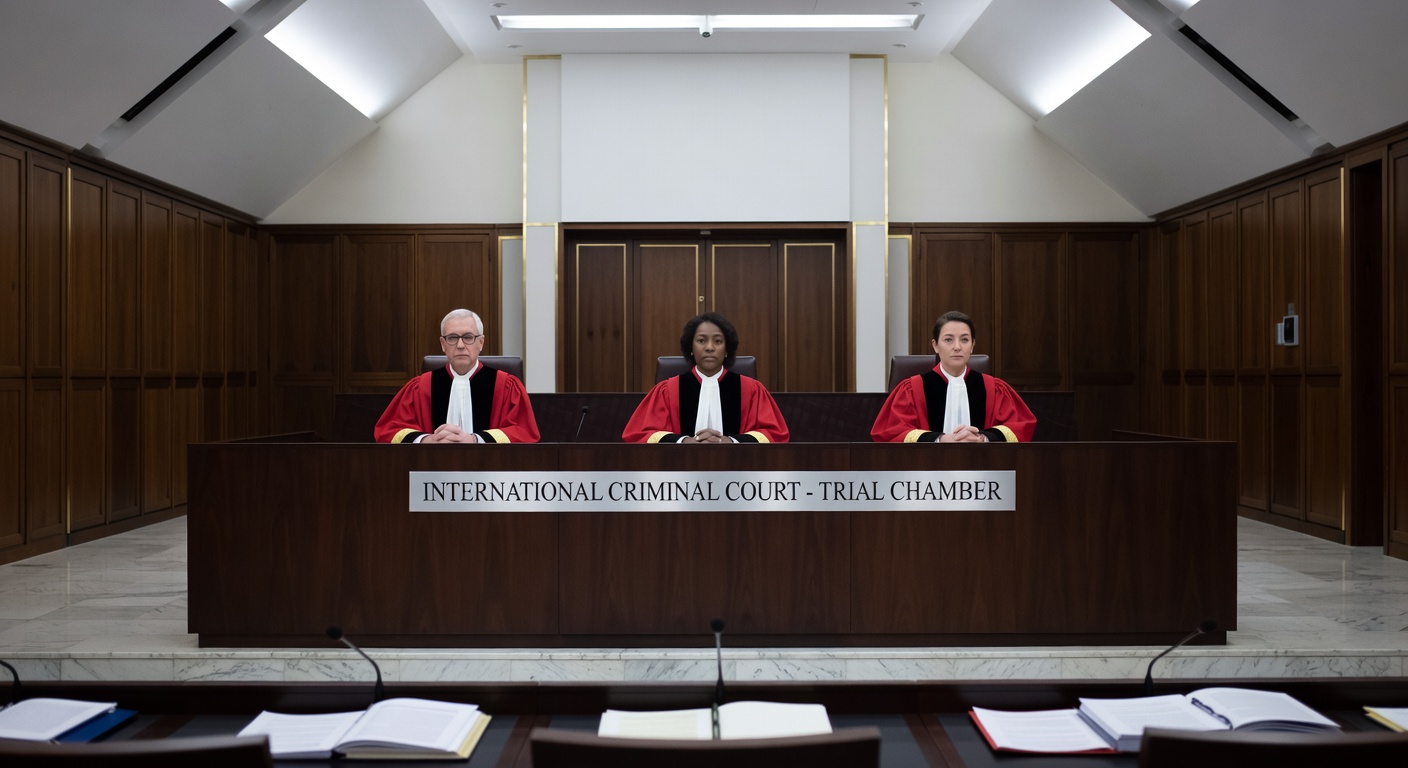
The pretrial chamber addressed several key issues during the conference. Most importantly, it confirmed November 30 as the trial start date after hearing arguments from both the prosecution and defense. It also set deadlines for pre-trial motions, evidence disclosure, and witness statements.
One of the more contentious issues resolved during the conference was the question of language. Duterte's legal team had pushed for the inclusion of Filipino and other Philippine languages in the proceedings, arguing that their client could not fully participate in his own defense if everything was conducted in English. The court reached a compromise: the official record will be kept in English and French, but interpretation services in Filipino will be available for the defendant and key witnesses.
The conference also addressed witness protection — a particularly sensitive issue given the risks faced by those who come forward to testify against Duterte. The court has implemented strict measures to protect witnesses' identities, including the use of pseudonyms, voice distortion, and closed-circuit testimony when necessary.
The Path Forward
With the status conference complete, the case now moves into its most intensive phase. Both sides will spend the coming months preparing their cases, gathering final evidence, and filing pre-trial motions. The prosecution has a significant burden of proof — it must demonstrate not just that the drug war killings occurred, but that Duterte bears criminal responsibility for them under international law.
The defense, meanwhile, will continue to challenge the court's jurisdiction and argue that Duterte cannot receive a fair trial in The Hague. These arguments are unlikely to succeed at this stage, but they could form the basis of an appeal if Duterte is convicted.
Why This Matters
This is more than just one man's trial. The Duterte case is a test of the ICC's ability to hold powerful leaders accountable when they commit atrocities under the cover of legitimate state policy. A successful prosecution would send a powerful message to other leaders who might consider similar tactics. A failed prosecution would deal a serious blow to the court's credibility.
The trial also has profound implications for the Philippines. Whatever the verdict, the country will have to reckon with the legacy of the drug war. The evidence presented in court — much of which may be new to the Philippine public — will shape how history remembers the Duterte years.
November 30 cannot come soon enough.
Key Takeaways
- ICC status conference confirms November 30 trial date and sets procedural protocols.
- Interpretation services in Filipino will be available for Duterte and key witnesses.
- Strict witness protection measures have been implemented, including anonymity options.
- Both sides will spend the coming months preparing their cases before the trial opens.
- The trial is a landmark test of the ICC's ability to hold leaders accountable for state-sanctioned violence.
Conclusion
The countdown has begun. The International Criminal Court is ready. The parties are preparing. And on November 30, the trial of Rodrigo Duterte will begin — a trial that could reshape the landscape of international justice and force the Philippines to confront the darkest chapter of its recent history.
This is Bella Reyes for Global1 News, reporting from Manila. 🇵🇭
The Legal Architecture of an International Trial
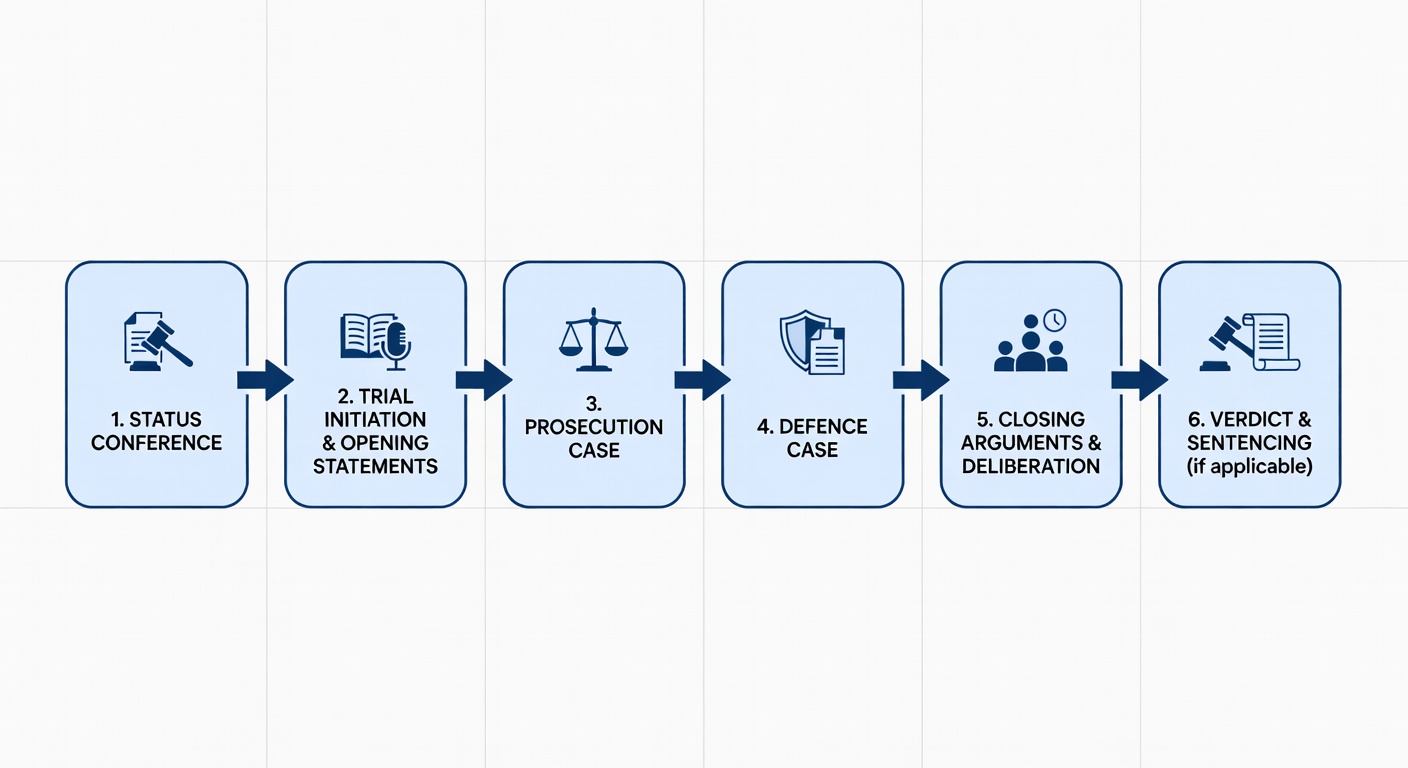
International criminal trials operate under a different framework than domestic courts. The ICC's processes are governed by the Rome Statute, a treaty that has been ratified by 124 countries. The rules of procedure and evidence are detailed and complex, reflecting the unique challenges of prosecuting crimes that often involve state actors and large-scale patterns of violence.
The status conference is a critical phase in this process. It is where the court resolves procedural disputes before the trial begins, preventing delays once the proceedings are underway. Key decisions made during the conference — about evidence admissibility, witness lists, and trial timelines — cannot easily be revisited later. That is why the Duterte status conference was so closely watched.
One of the more interesting procedural questions resolved during the conference was the handling of classified or sensitive evidence. Both sides have materials that they may not want to disclose fully — the prosecution for witness protection reasons, the defense for national security claims. The court established a protocol for reviewing such materials in closed session, with a special master appointed to adjudicate disputes.
Media and Public Access
The Duterte trial is expected to attract intense media attention, and the court has had to develop protocols for managing the influx of journalists and observers. The ICC has a dedicated media center and will provide live streaming of proceedings, with some limitations to protect witnesses. The court has also established arrangements for accredited Philippine media to cover the trial, recognizing the intense domestic interest in the case.
"This will be one of the most covered trials in ICC history," said a court spokesperson. "We are prepared for the attention. The proceedings must be transparent, but they must also be orderly and respectful of the rights of all parties."
The Long-Term Significance
The Duterte trial is being closely watched by human rights organizations, governments, and legal scholars around the world. Its outcome will influence how future cases involving state-sanctioned violence are handled. A conviction would strengthen the ICC's deterrent power; an acquittal would embolden leaders who believe they can act with impunity. Either way, the trial's legacy will extend far beyond the fate of the man in the dock.
As one international legal scholar put it: "The Duterte trial is not just about drug war killings in the Philippines. It is about whether the international community has the will and the legal tools to hold powerful individuals accountable for mass atrocities. The precedent set here will echo for decades."
The Trial as Spectacle
There is no avoiding the reality that the Duterte trial will be a global media spectacle. Cameras will be present. Clips will be shared on social media. The trial will be parsed, memed, and debated across every platform. This is both an opportunity and a risk for the cause of international justice. Public attention can build pressure for accountability, but it can also distort proceedings and create incentives for performative behavior by lawyers and witnesses.
The ICC has experience managing high-profile trials — the Lubanga, Bemba, and Gbagbo cases all attracted significant media attention. But the Duterte case is different in scale and political sensitivity. The court will need to balance the public's right to know with the defendant's right to a fair trial — a tension that will test the institution's maturity and judgment.
The Cost of International Justice
International criminal trials are extraordinarily expensive. The ICC's annual budget exceeds €150 million, and the Duterte trial alone is expected to cost tens of millions of euros when factoring in legal teams, witness protection, translation services, and security. Critics of the court argue that this money could be better spent on other priorities — humanitarian aid, development programs, or strengthening national justice systems.
Supporters counter that the cost of impunity is far higher. When leaders commit atrocities without facing consequences, the cycle of violence continues, and the rule of law is undermined for everyone. The Duterte trial is an investment in the principle that no one is above the law — and that is a principle worth defending, even at significant expense.
The Importance of Legal Precedent
Beyond the immediate outcome, the Duterte trial will produce a body of legal precedent that will guide future international prosecutions. Every ruling on evidence, jurisdiction, and procedure becomes a reference point for subsequent cases. The court's decisions on witness protection, language access, and media coverage will shape how future trials are conducted. In this sense, the Duterte case is not just about one former president — it is about building the legal infrastructure for international justice in the 21st century.
November 30 will be a historic day. The opening of the Duterte trial marks the beginning of a legal process that could take years to conclude. But however long it takes, the fact that it is happening at all represents a victory for the principle that no leader is above the law — a principle that is worth defending, no matter the cost.
The countdown has begun. On November 30, history will be made. The world will be watching.
This article was produced with AI-assisted research and editorial support. Reporting is based on sources cited in the article.
What's Your Reaction?
 Like
0
Like
0
 Dislike
0
Dislike
0
 Love
0
Love
0
 Funny
0
Funny
0
 Wow
0
Wow
0
 Sad
0
Sad
0
 Angry
0
Angry
0

Philippines/Southeast Asia Correspondent at Global1.News. Manila-based journalist covering Philippine politics, environment, maritime security, and social issues. Passionate about marine conservation and the communities protecting the Philippines' natural heritage.












Comments (0)