
Senate Opens Historic Impeachment Trial of Vice President Sara Duterte as Presiding Officer Election Sparks Heated Floor Debate
In a recent ANC 24/7 report, the Philippine Senate opened the historic first impeachment trial of a sitting vice president, as senator-judges clashed over the election of a presiding officer in a dramatic start to proceedings that could reshape the country's political landscape. The trial, which began on July 6, 2026, places Vice President Sara Duterte before a 20-member impeac
In a recent ANC 24/7 report, the Philippine Senate opened the historic first impeachment trial of a sitting vice president, as senator-judges clashed over the election of a presiding officer in a dramatic start to proceedings that could reshape the country's political landscape. The trial, which began on July 6, 2026, places Vice President Sara Duterte before a 20-member impeachment court on charges ranging from betrayal of public trust to alleged death threats against the country's highest officials.
Senate Opens Historic Impeachment Trial of Vice President Sara Duterte as Presiding Officer Election Sparks Heated Floor Debate
Manila, Philippines — July 11, 2026 —
Historic First Impeachment Trial of a Vice President Begins
The Philippine Senate opened the first impeachment trial of a sitting vice president on July 6, 2026, when 20 senator-judges convened as an impeachment court to hear charges against Vice President Sara Duterte. This marks the first time in Philippine history that the upper chamber has conducted such a proceeding against the second-highest elected official. The trial follows the House of Representatives' second impeachment of Duterte on May 11, 2026, after 257 lawmakers endorsed the verified complaint.
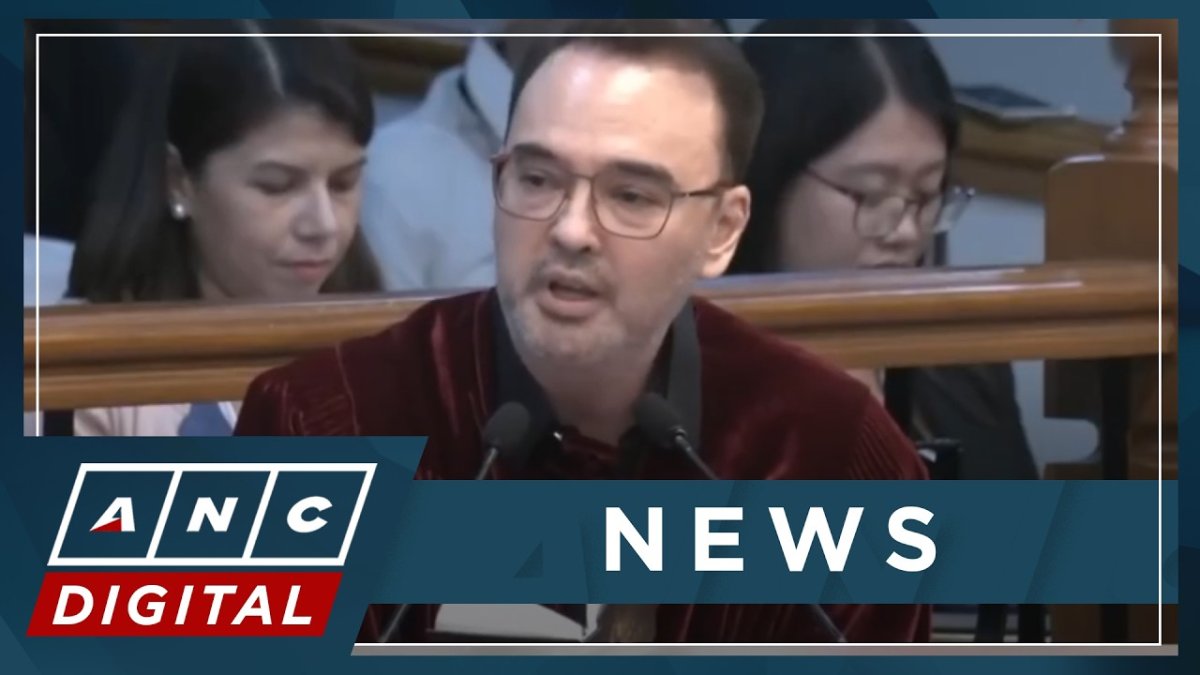
Filipino families across the country watched the proceedings unfold on television and online, wondering how the outcome could reshape leadership in the years ahead. The charges include culpable violation of the Constitution, graft and corruption, betrayal of public trust, bribery, and other high crimes. Only a two-thirds vote of 16 senators can convict Duterte and bar her from future public office.
Senate Elects Presiding Officer After Heated Clash
Senator Francis Escudero received 12 votes to become presiding officer of the impeachment court, defeating the 8 votes cast against his nomination by Senator Panfilo Lacson. The election came after a full hour of floor debate that tested Senate rules and constitutional interpretations. Senate President Sherwin Gatchalian presided over the vote, which followed Senate Resolution provisions approved on June 3 and ratified on June 17 without opposition.
Minority Leader Alan Peter Cayetano argued that the Constitution requires the Senate President to preside over any impeachment trial. His sister, Senator Pia Cayetano, added that any rule change should have occurred inside the impeachment court itself rather than beforehand. The siblings warned that the Senate had disregarded the framers of the 1987 Constitution by allowing a non-Senate President to lead the proceedings.
Legal Arguments Center on Constitutional Provisions
Senators Kiko Pangilinan and Tito Sotto countered that no explicit constitutional clause mandates the Senate President to preside when the vice president faces trial. They pointed to Article 11, Section 3, paragraph 8 of the Constitution as the basis for the Senate's flexibility in organizing the court. Senate President Gatchalian ruled that the June resolutions provided clear authority for the election process.
These exchanges matter to ordinary Filipinos because they test whether Senate procedures remain stable during moments of intense political pressure. Families in provinces from Davao to Manila follow every ruling, knowing that consistent rules protect the integrity of institutions that affect daily governance and public services.
AMLA Records Allegation Stricken from Record
During the debate, Alan Peter Cayetano raised concerns about 20-year AMLA records of Escudero's bank accounts reportedly opened in the office of the Senate President. Gatchalian immediately ruled the statement out of order and ordered it stricken from the official records. Escudero later addressed the full chamber, pledging to uphold fairness and integrity without fear or favor.
Escudero confirmed that conviction requires 16 votes out of the 24-member Senate. He accepted the role despite not seeking it, stating that the responsibility now falls on him to ensure the process remains credible for the entire nation.
House Prosecutors Outline Case Order and Witnesses
Lead prosecutor Representative Chel Diokno announced that the House panel will present Article IV first, covering alleged death threats against President Ferdinand Marcos Jr., First Lady Liza Araneta-Marcos, and House Speaker Martin Romualdez. Subsequent articles will cover misuse of confidential funds, bribery, and unexplained wealth. The prosecution requested testimony from National Bureau of Investigation lawyer Jeremy Lotoc and senior agent John Mark Calilung.
Defense lead counsel Sheila Sison responded that justice requires both accountability and fairness. She emphasized that Vice President Duterte received votes from more than 32 million Filipinos in the last election. Duterte did not attend the opening session and was represented solely by her legal team, which rejected the prosecution's request for immediate arraignment.
Trial Schedule and Timeline Set Through July
The impeachment court will meet Mondays through Wednesdays at 2:00 PM until July 27, 2026. After the State of the Nation Address, sessions will shift to Tuesdays through Thursdays at 3:00 PM. The evidentiary phase carries a strict 92-day cap to keep proceedings moving forward without unnecessary delay.
These fixed dates give Filipino communities a clear calendar to follow developments. Workers, students, and local leaders can plan discussions around the schedule, turning the trial into a shared national conversation about accountability and leadership standards.
Impact on Communities Across the Philippines
The trial reaches beyond the Senate chamber into households where families discuss how political stability affects jobs, education, and public safety. In Davao City, supporters of the Duterte family weigh the vice president's record of service against the serious charges. In Metro Manila, residents examine how the proceedings influence relations between the executive and legislative branches.
Every ruling on procedure and evidence shapes public trust in government. When senator-judges debate constitutional boundaries, citizens see direct connections to the rule of law that governs local barangays and national agencies alike. The outcome will determine whether the vice presidency remains intact and whether future elected officials face similar scrutiny under consistent standards.
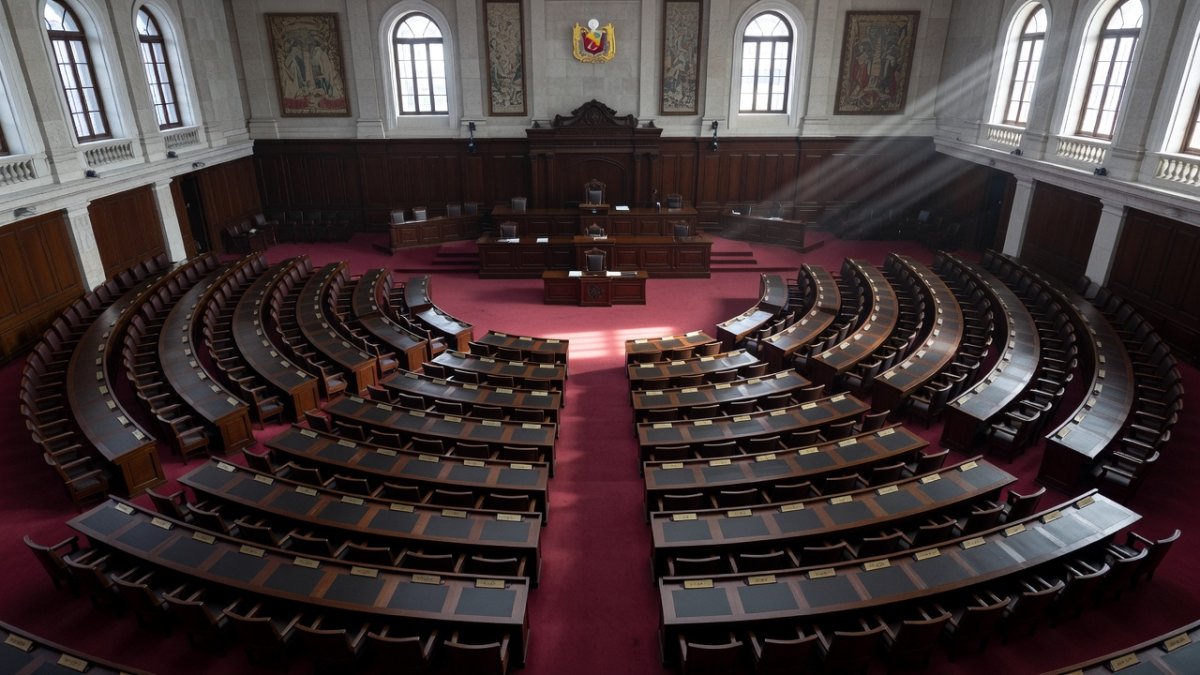
Next Steps as Proceedings Move Forward
With Escudero now presiding, the court will begin receiving evidence on the first article within the coming weeks. Both sides have signaled they will present detailed arguments and call witnesses to support their positions. The 16-vote threshold remains the decisive number that will decide whether Duterte continues in office or faces permanent disqualification from elected positions.
Filipinos will continue to watch each session closely, recognizing that the trial tests not only one official but the strength of democratic institutions built over decades. The Senate's handling of this historic case will influence how future generations view the balance of power and the meaning of public accountability in our country.
By Bella Reyes, Staff WriterThis article was produced with AI-assisted research and editorial support. Reporting is based on sources cited in the article.
What's Your Reaction?
 Like
0
Like
0
 Dislike
0
Dislike
0
 Love
0
Love
0
 Funny
0
Funny
0
 Wow
0
Wow
0
 Sad
0
Sad
0
 Angry
0
Angry
0

Philippines/Southeast Asia Correspondent at Global1.News. Manila-based journalist covering Philippine politics, environment, maritime security, and social issues. Passionate about marine conservation and the communities protecting the Philippines' natural heritage.













Comments (0)