
Belgorod Pleads for Officials to Act as Ukrainian Strikes Intensify Infrastructure Failures
Scale of attacks and infrastructure damage This week brought another round of heavy Ukrainian missile and drone strikes on Russia's Belgorod region, damaging energy infrastructure and cutting electricity and water supplies in the regional capital and surrounding municipalities. Local authorities confirmed that the attacks struck a gas pipeline operations hub, leaving parts of B
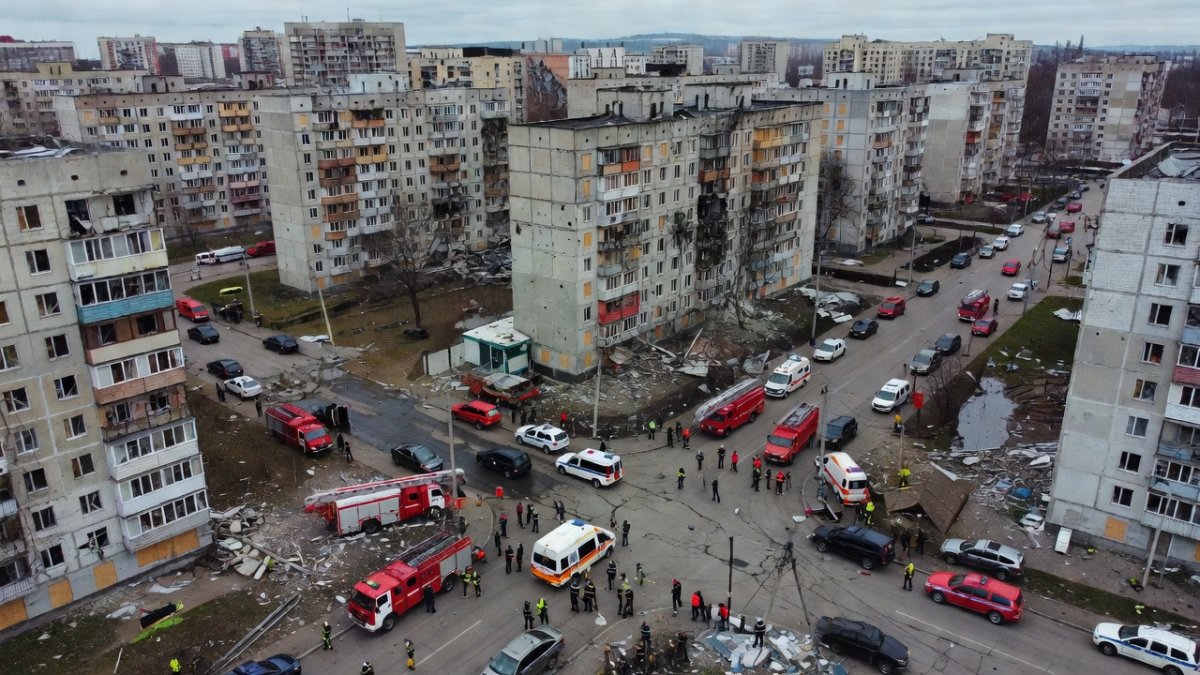
Scale of attacks and infrastructure damage
This week brought another round of heavy Ukrainian missile and drone strikes on Russia's Belgorod region, damaging energy infrastructure and cutting electricity and water supplies in the regional capital and surrounding municipalities. Local authorities confirmed that the attacks struck a gas pipeline operations hub, leaving parts of Belgorod city and wider areas without gas. The city's water utility reported ongoing repairs after Tuesday's strikes, even as all water intake facilities and pumping stations remained operational.
The Belgorod region has faced more than four years of drone, missile and artillery attacks since Russia's February 2022 invasion of Ukraine. Acting Governor Alexander Shuvayev stated that authorities recorded over 230 attacks across the region this week alone. Ukrainian drones also struck bridges used to supply Russian troops operating toward Kharkiv, according to independent local outlet Pepel. Some residents in nearby villages reported being cut off from larger towns due to damaged roads.
Resident frustration and calls for action
Many Belgorod residents expressed deep frustration with regional authorities for what they see as slow restoration of basic services after repeated strikes. Local resident Yekaterina Goryacheva wrote on VK that "No one will hear us or our pleas… We are living in hell every single day." Another resident, Tatyana L., posted on Acting Governor Shuvayev's VK page asking why people are treated this way after two days without hot and cold water.
Resident Vladimir Belyayev questioned on VK what actions would be taken, noting that drone attacks continue without apparent response. Tatyana Bogacheva directly addressed the governor, asking why he agreed to lead the region if his role was only to report missile and drone counts or list the dead and wounded. These comments reflect growing anger among ordinary residents who feel their daily hardships receive insufficient attention from officials.
The new governor's response
Acting Belgorod Governor Alexander Shuvayev, a native of the region and military veteran who fought in the invasion of Ukraine, assumed office in May following the departure of former Governor Vyacheslav Gladkov. On Wednesday, Shuvayev reported that at least four civilians had been killed in the shelling and confirmed over 230 attacks across the region. He also detailed a Ukrainian drone strike on the village of Tavrovo that killed one person and injured six civilians.
Shuvayev's statements have focused on tallying strikes and casualties, yet residents such as Tatyana Bogacheva have challenged whether this approach addresses their core concerns about service restoration and protection. The acting governor's background as a military veteran and regional native has not shielded him from direct criticism on social media platforms where locals post their complaints publicly.
The human toll - casualties and daily life
Pepel reported that one Belgorod resident has died every 14 hours since the start of the war, with the outlet identifying 2,836 residents of the region killed in total. This week's strikes added to that toll, including the four civilian deaths confirmed by Shuvayev as of Wednesday and the additional fatality in Tavrovo. Six civilians were injured in the same Tavrovo attack.
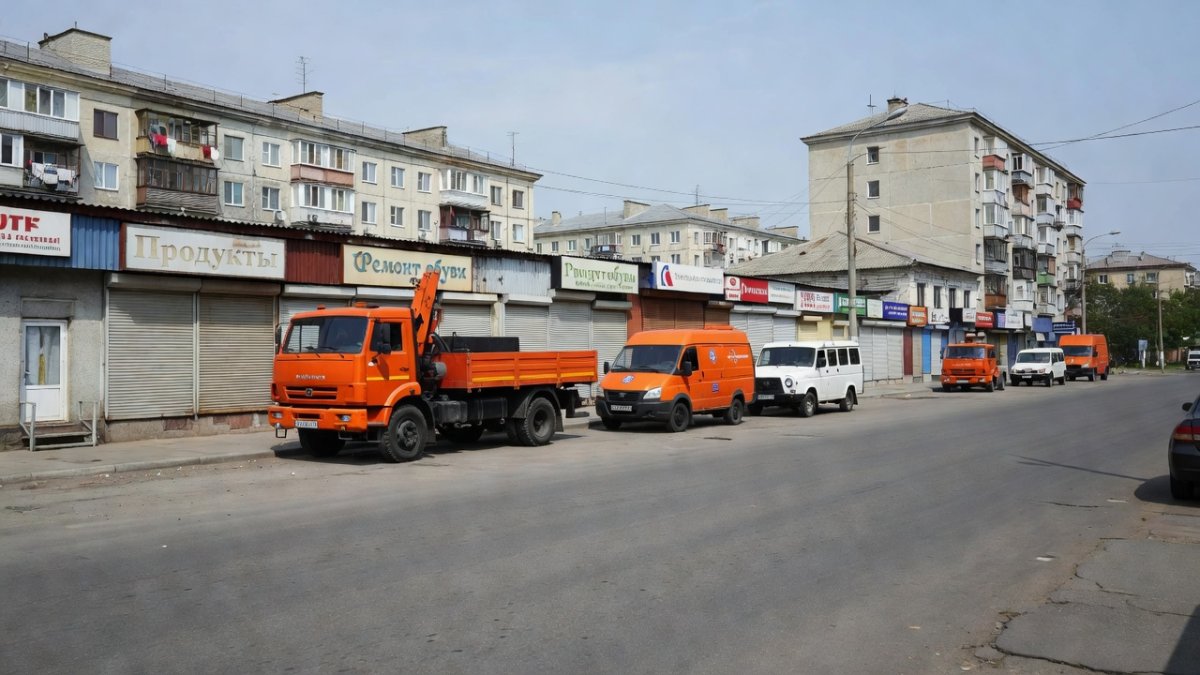
Daily life for the city's 320,000 residents has been disrupted by gas, electricity and water outages. Parts of Belgorod experienced water supply interruptions following Tuesday's attacks, while gas supplies remain affected in multiple areas after damage to the pipeline hub. Some villages remain isolated due to damaged roads, compounding the strain on ordinary citizens who must manage without reliable utilities amid ongoing strikes.
Analysis and broader war dynamics
The pattern of repeated strikes on border infrastructure and civilian areas could indicate that Ukrainian forces are targeting supply routes and energy nodes to complicate Russian military logistics in the Kharkiv direction. Analysts suggest this approach places sustained pressure on regional authorities to maintain services while exposing gaps in rapid recovery efforts.
Within Russia's power structures, the appointment of an acting governor with direct military experience in the invasion reflects the Kremlin's preference for officials who combine regional ties with combat credentials. This choice may aim to project continuity, yet the volume of public complaints on VK shows that residents continue to hold local leadership accountable for practical outcomes rather than military background alone.
The human cost documented by Pepel—one death every 14 hours—underscores how the conflict's effects reach deep into civilian communities far from the front lines. For ordinary Russians in Belgorod, the combination of infrastructure damage, service outages and limited visible response from authorities creates daily uncertainty that shapes perceptions of both regional governance and the wider war.
Perspectives from residents highlight a demand for concrete protective measures and faster repairs, while official updates emphasize counting attacks and casualties. This tension illustrates how border regions experience the war not only through direct strikes but through the strain on local administration and the expectations placed on leaders such as Acting Governor Shuvayev.
By Irina Volkov, Staff WriterThis article was produced with AI-assisted research and editorial support. Reporting is based on sources cited in the article.
What's Your Reaction?
 Like
0
Like
0
 Dislike
0
Dislike
0
 Love
0
Love
0
 Funny
0
Funny
0
 Wow
0
Wow
0
 Sad
0
Sad
0
 Angry
0
Angry
0

Russia/Eastern Europe Correspondent at Global1.News. Covering Russian politics, energy, security, and the shifting dynamics of the post-Soviet space. Provides clear-eyed analysis on one of the world's most opaque regions.













Comments (0)