
Gulf of Paria Oil Spill Strains Trinidad-Venezuela Ties
Gulf of Paria Oil Spill Widens Diplomatic Gulf Between Trinidad and Venezuela Introduction — Setting the Scene in the Gulf The Gulf of Paria has always been more than a body of water separating Trinidad from Venezuela. For generations, families on both sides have fished these same currents, shared stories across the waves, and depended on the energy beneath the seabed to keep l
Introduction — Setting the Scene in the Gulf
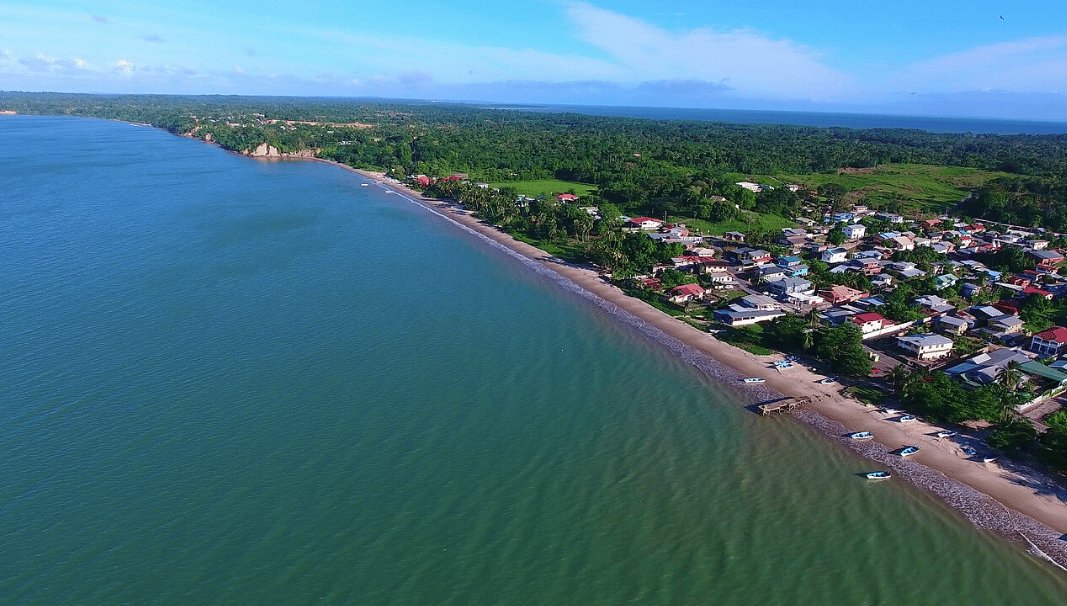
The Gulf of Paria has always been more than a body of water separating Trinidad from Venezuela. For generations, families on both sides have fished these same currents, shared stories across the waves, and depended on the energy beneath the seabed to keep lights on and kitchens running. When news of hydrocarbons drifting toward Venezuelan shores surfaced, it struck at the heart of that shared existence, reminding us how tightly our fortunes remain linked.
Communities along Trinidad’s western coast woke to reports that felt all too familiar. The cost of living already presses hard on households, with energy prices shaping everything from transport fares to the price of a bag of flour at the market. Any incident in the Gulf ripples outward, touching tourism operators who promote our pristine waters and local fishermen who supply fresh catch to tables across the country.
Small island states like ours live with constant environmental anxiety. Rising seas, plastic waste, and now the threat of oil slicks remind us daily that our shores are fragile. The Gulf of Paria is not some distant frontier; it is the backyard where children learn to swim and elders recount tales of the sea.
Yet the latest development has opened old diplomatic wounds. What began as a contained incident at Heritage Petroleum’s Main Field has escalated into a regional talking point, drawing in CARICOM politics and questions about transparency that affect every citizen who relies on stable energy revenues.
The Spill: What Happened on May 1
Heritage Petroleum detected the spill at the Main Field in the Gulf of Paria at 7:25am on May 1. Workers moved quickly, estimating that roughly 10 barrels had escaped before the flow was stopped the same day. Repairs were completed by May 2, and the company notified the Ministry of Energy and Energy Industries, the Coast Guard, and the Environmental Management Authority without delay.
Trajectory modelling conducted by Trinidad and Tobago indicated that untreated hydrocarbons could potentially drift across the maritime border into Venezuelan waters. Chemical dispersants were therefore deployed between six and eight nautical miles from that line. Subsequent drone and vessel inspections confirmed no visible hydrocarbons remained in the area.
Despite these rapid steps, the timing of public disclosure became a point of contention. Venezuelan authorities later stated that satellite imagery from April 28 already showed a slick originating from Trinidad. The contrast between the two accounts has left many in our coastal villages wondering exactly when information reaches the people most affected.
Local fishermen, already grappling with fluctuating catches and rising fuel costs, watched the response with quiet concern. In a country where the energy sector underpins so much of daily life, even a minor incident carries weight far beyond the barrels spilled.
Venezuela's Formal Demand and Evidence
On May 12, Venezuelan Foreign Minister Yván Gil went public, citing satellite images from April 28 that allegedly showed the slick moving from Trinidad. He demanded information and compensation, framing the matter as a direct threat to Venezuelan territory and livelihoods.
Acting President Delcy Rodríguez ordered an environmental team to assess the damage. Venezuelan statements warned that 1,625 square kilometres had been affected, impacting 12 wetlands, four national parks, and more than 500 fishermen in Sucre and Delta Amacuro states. These figures painted a picture of widespread ecological risk across the shared waters.
The Venezuelan position emphasised that neither Heritage Petroleum nor the Trinidad and Tobago government had disclosed the incident until the alarm was raised from Caracas. This claim has fuelled diplomatic tension and placed additional pressure on already delicate bilateral relations.
For communities on our side of the Gulf, the Venezuelan concerns resonate deeply. Many families have relatives or trading partners across the water, and any harm to Venezuelan wetlands or fisheries eventually touches the broader Caribbean ecosystem we all inhabit.
Port of Spain's Firm Denial
Trinidad and Tobago maintains that the spill was minor, fully contained within 48 hours, and handled according to established procedures. Energy Minister Rishad Moonilal has stated that talks with Venezuelan counterparts are being arranged to address the concerns directly.
Officials point to the immediate notifications sent to the Ministry of Energy and Energy Industries, the Coast Guard, and the Environmental Management Authority. They also highlight the trajectory modelling and dispersant deployment that kept the hydrocarbons away from the maritime border.
The government insists that drone and vessel inspections found no remaining visible hydrocarbons, underscoring that proper protocols were followed from the first moment. This position seeks to reassure citizens that the incident posed no lasting threat to either side of the Gulf.
Still, the delay in wider public communication has left room for speculation. In a nation where trust in institutions matters deeply, especially amid everyday struggles with the cost of living, clarity remains essential for maintaining community confidence.
Energy Sector at the Heart of the Matter
The Gulf of Paria lies at the centre of Trinidad and Tobago’s energy landscape, a sector that has evolved from the days of Petrotrin to the current operations of Heritage Petroleum and the Atlantic LNG facility. Revenues from these waters help fund public services and influence the cost of living for every household.
Any incident here carries economic weight. Tourism operators along the west coast promote the Gulf’s natural beauty to visitors, while local fishermen depend on healthy waters. A diplomatic dispute risks unsettling investor confidence in an industry already navigating global transitions.
Atlantic LNG continues to play a vital role in our export profile, yet incidents like this remind us how interconnected our energy infrastructure remains with neighbouring Venezuela. Stable relations are not merely diplomatic niceties; they underpin jobs and community stability.
Crime and security concerns in energy zones add another layer of complexity. Protecting offshore installations requires coordination that goes beyond national borders, making transparent communication with Venezuela all the more necessary for long-term sector resilience.
Environmental Stakes for a Small Island State
Small island states face unique environmental pressures, and Trinidad and Tobago is no exception. The Gulf of Paria supports biodiversity that sustains both commercial fishing and the tourism sector, which many coastal villages now rely upon for supplementary income.
Chemical dispersants deployed near the maritime border were intended to protect Venezuelan waters, yet questions linger about long-term effects on marine life. Environmental groups in our region have long warned that even small spills can accumulate, threatening mangroves and coral systems already stressed by climate change.
Cultural ties to the sea run deep. Fishermen speak of the Gulf as a living relative, and any threat to its health touches the stories, recipes, and festivals that define coastal identity. Protecting these waters is therefore both an economic and a cultural imperative.
The incident underscores the need for stronger regional environmental protocols. As climate impacts intensify, cooperation on spill response and monitoring becomes essential for safeguarding the shared heritage of Caribbean nations.
CARICOM Diplomacy and Regional Implications
CARICOM politics often hinge on quiet diplomacy, yet this spill has brought energy and environmental issues to the forefront of regional discussions. Neighbouring states watch closely, aware that precedents set here could affect future cross-border resource management.
Minister Rishad Moonilal’s plan to arrange talks with Venezuelan counterparts represents an attempt to keep dialogue open. Such engagement matters not only for resolving the immediate dispute but also for maintaining the stability that tourism and trade within CARICOM depend upon.
Crime and security cooperation across the Caribbean also intersects with energy matters. Joint patrols and information sharing help protect installations, yet diplomatic friction can slow these efforts, leaving communities more vulnerable.
The broader lesson is that small island states cannot afford prolonged misunderstandings. Coordinated responses to environmental threats strengthen the entire region and preserve the cultural and economic bonds that have long defined Caribbean life.
The Opposition Demands Answers
Former Energy Minister Stuart Young has accused the government of deliberately withholding information, labelling the handling of the spill a cover-up. He has called for a full investigation to determine why details emerged only after Venezuela raised the alarm.
Young’s statements reflect wider public unease about transparency in the energy sector. In communities where households feel the pinch of rising living costs, any perception that information is being managed fuels distrust and demands for accountability.
The opposition’s push for answers highlights the political stakes involved. Energy remains central to national identity and economic planning, and incidents in the Gulf of Paria quickly become matters of public trust.
Looking Ahead: What Happens Next
Energy Minister Rishad Moonilal continues to prepare for bilateral discussions, aiming to address Venezuelan concerns while reiterating that procedures were followed. The outcome of these talks will shape future cooperation on spill response and maritime monitoring.
Regional observers hope the episode will prompt stronger CARICOM frameworks for environmental incidents. Tourism, fisheries, and energy revenues all stand to benefit from clearer communication and joint preparedness in the waters we share.
For citizens along both coasts, the priority remains protecting the Gulf that sustains livelihoods and traditions. How Trinidad and Venezuela navigate this moment will influence not only diplomatic relations but the daily realities of cost of living, community safety, and cultural continuity across the Caribbean.
By Sharon Sahatoo, Staff WriterThis article was produced with AI-assisted research and editorial support. Reporting is based on sources cited in the article.
What's Your Reaction?
 Like
0
Like
0
 Dislike
0
Dislike
0
 Love
0
Love
0
 Funny
0
Funny
0
 Wow
0
Wow
0
 Sad
0
Sad
0
 Angry
0
Angry
0

Caribbean Correspondent at Global1.News. Based in Port of Spain, Trinidad, covering Caribbean politics, economy, energy, climate, and culture. Amplifying the voices and stories of the Caribbean region.










Comments (0)