
Bafana Bafana Chase World Cup 2026 History After 16-Year...
The return of Bafana Bafana to the FIFA World Cup after 16 long years has set South African football alight with a mix of raw hope and nervous tension that echoes through every township and stadium from Soweto to Durban. This is not just another tournament; it is a chance for the nation that hosted the 2010 spectacle to finally move beyond the group stage for the first time in
The return of Bafana Bafana to the FIFA World Cup after 16 long years has set South African football alight with a mix of raw hope and nervous tension that echoes through every township and stadium from Soweto to Durban. This is not just another tournament; it is a chance for the nation that hosted the 2010 spectacle to finally move beyond the group stage for the first time in four attempts. The eyes of the entire continent are watching as Hugo Broos's side prepares for a decisive clash that could rewrite history.
Bafana Bafana Chase History at World Cup 2026
Johannesburg, South Africa – This Week — South Africa’s campaign in Group A has delivered drama, heartbreak and moments of genuine pride that connect directly to the deep roots of our domestic game. From the chaos at Estadio Azteca to the resilience shown in Atlanta, Bafana Bafana have carried the hopes of a nation whose football identity is shaped by the Premier Soccer League, the MultiChoice Diski Challenge and the tireless work of SAFA and SASCOC. The story unfolding in the United States and Mexico is one that every Kaizer Chiefs, Orlando Pirates and Mamelodi Sundowns supporter feels in their bones.
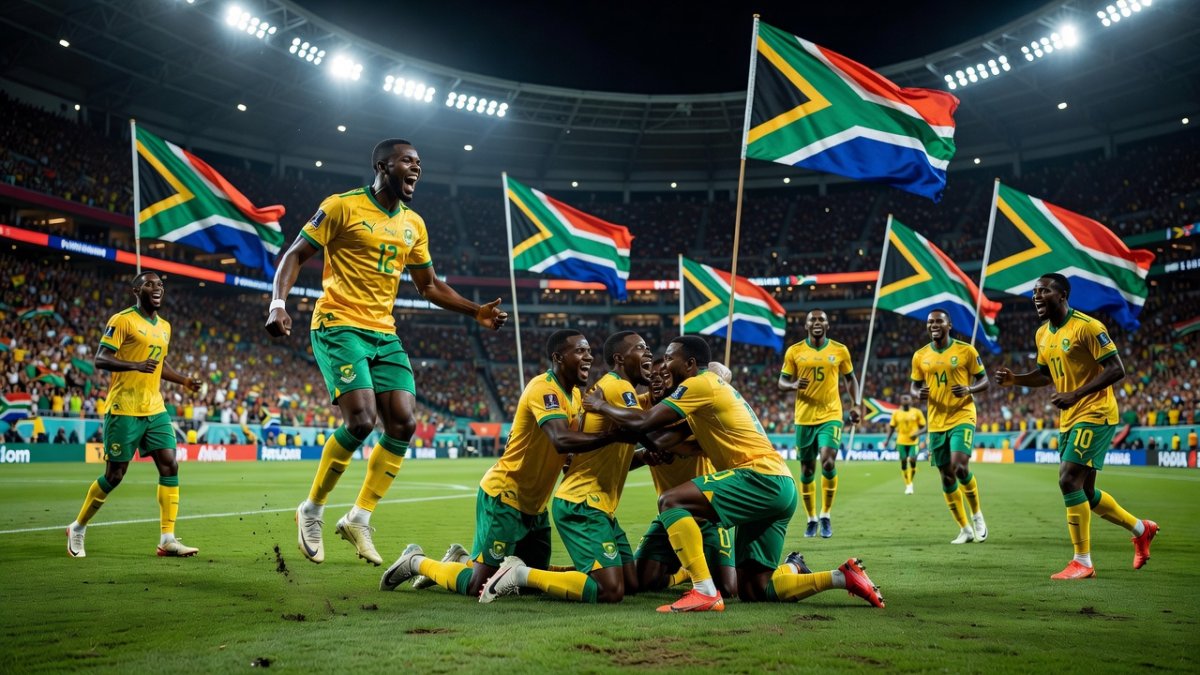
Bafana Bafana's Return to the Global Stage
After an absence of 16 years since the 2010 FIFA World Cup that South Africa hosted with such pride, Bafana Bafana have stepped back onto the biggest stage with a squad built on the foundations of our local leagues. The 2010 legacy left behind world-class stadiums and grassroots programmes that still feed talent into the system today, yet SAFA has continued to battle funding shortfalls and transformation targets set by the Sports Ministry. Players like Teboho Mokoena and Percy Tau emerged through the MultiChoice Diski Challenge and PSL pathways, carrying the same fighting spirit that once saw the Springboks and Proteas lift major trophies. This return represents more than qualification; it is a statement that South African football refuses to be defined by past disappointments in 1998, 2002 and 2010.
Coach Hugo Broos, who took charge five years ago, has instilled a tactical discipline that blends the physicality of PSL midfield battles with the technical quality seen in our top clubs. Captain Ronwen Williams anchors the side with leadership forged in high-pressure domestic derbies, while the presence of ten African nations at this World Cup, a record number including debutants Cape Verde, underscores the growing strength of the continent. South Africa’s group features Mexico as co-hosts, South Korea and Czechia, a draw that demands clinical execution if the team is to achieve what no Bafana side has managed before. The cultural weight of this moment resonates far beyond the pitch, linking back to the transformation efforts that aim to make our game more inclusive and competitive at every level.
The build-up has seen renewed focus on youth development through the MultiChoice Diski Challenge, which continues to produce players ready for the intensity of international football. SASCOC’s oversight ensures that the national team reflects broader sporting ambitions across codes, creating a unified sense of purpose. As the squad trained in the shadow of the 2010 stadiums that still host PSL matches, the connection between past hosting glory and present ambition became impossible to ignore. This campaign is about proving that South African football can compete with the world’s best when given the platform.
Opening Night Chaos at the Azteca
The opening match against Mexico at Estadio Azteca delivered the kind of chaotic, high-stakes drama that South African fans know all too well from heated PSL encounters. Julian Quinones scored the first goal of the entire tournament in the ninth minute, capitalising on early defensive lapses that left Ronwen Williams exposed. Raul Jimenez added a second as Mexico took full advantage of their co-host status and home support, leaving Bafana Bafana with a mountain to climb. The match turned further when two South African players, including Yaya Sithole, received red cards amid a flurry of three dismissals that disrupted any chance of a structured response.
Tactically, the early deficit forced Broos’s side into a reactive shape that exposed gaps between the lines, something rarely seen in the compact defensive setups that have defined recent AFCON performances. The 2023 bronze medal run had shown Bafana’s ability to stay compact and counter, yet the altitude and intensity of the Azteca tested every player’s conditioning. Ronwen Williams stood tall with several vital interventions, his experience from SuperSport broadcasts and PSL title challenges proving invaluable even in defeat. The loss left South Africa with just one point after the first matchday, but the fighting spirit on display echoed the resilience that has kept domestic football alive through governance challenges.
The red-card incidents highlighted areas where SAFA’s transformation programmes must continue to develop decision-making under pressure. Young talents emerging from the MultiChoice Diski Challenge are taught to manage such moments, yet the World Cup environment amplifies every mistake. Despite the scoreline, the performance laid bare both the gaps and the potential that exist within a squad drawn largely from PSL clubs like Mamelodi Sundowns and Orlando Pirates. The night at the Azteca served as a harsh but necessary lesson ahead of the remaining group fixtures.
Mokoena's Late Heroics Keep the Dream Alive
The 1-1 draw with Czechia at Mercedes-Benz Stadium in Atlanta offered Bafana Bafana their first tangible reward and showcased the individual brilliance that can turn matches. Michal Sadilek opened the scoring in the sixth minute after a clever assist from Alexandr Sojka, who benefited from an Adam Hlozek cross that caught the defence napping. Patrik Schick had already missed a header in the opening minute, signalling early intent from the Europeans, yet Ronwen Williams responded with a string of key saves, including a fingertip stop on a Lukas Cerv long-range effort that kept the scoreline manageable.
Teboho Mokoena emerged as the hero in the 83rd minute, calmly converting a penalty after Pavel Sulc handled inside the box under the watch of referee Tori Penso and her all-female officiating team. The midfielder’s composure under pressure reflected hours spent honing his craft in PSL midfield battles and the MultiChoice Diski Challenge. Aubrey Modiba’s overlapping runs from fullback created the space that eventually led to the decisive moment, while Thapelo Maseko’s introduction added width that stretched Czechia’s defence. The result moved South Africa to one point and kept mathematical hopes alive heading into the final group match.
Broos’s decision to maintain a high defensive line after the early goal showed tactical flexibility learned from five years in charge. The performance connected directly to the 2023 AFCON bronze medal campaign, where similar late interventions carried the team to third place. Fans back home watching on SuperSport saw echoes of classic Orlando Pirates and Kaizer Chiefs comebacks, reinforcing the belief that this squad possesses the character required for the knockout stage. The Atlanta draw proved that Bafana can compete when they manage the finer details of set-pieces and transitions.
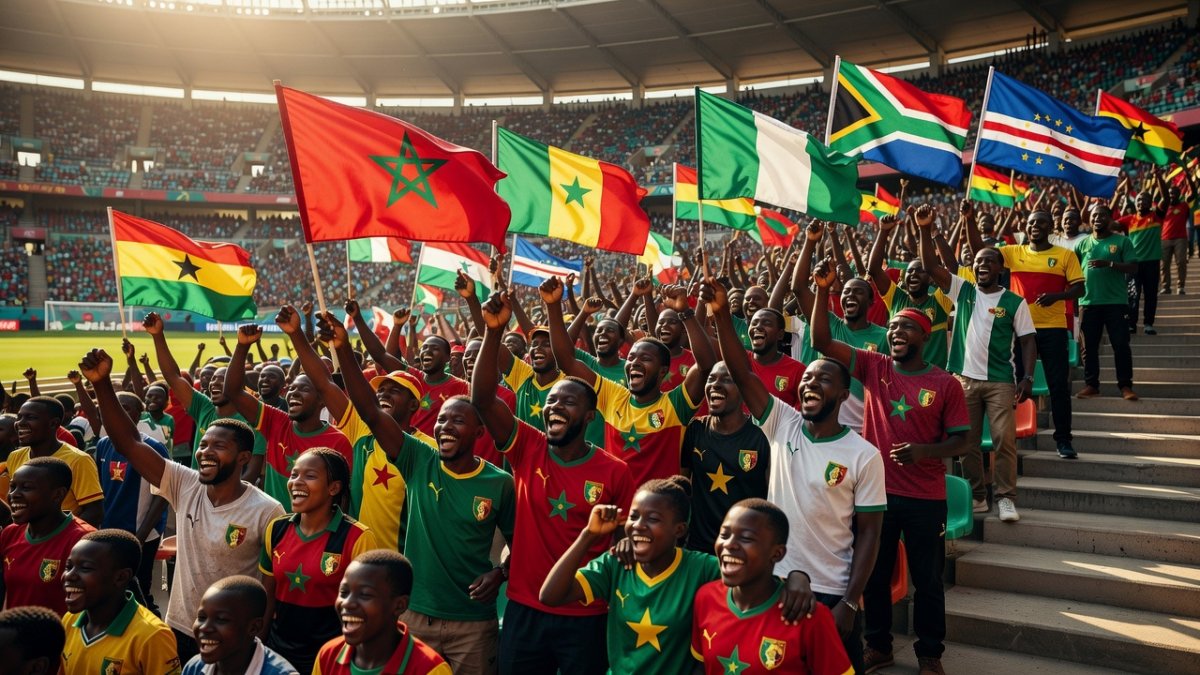
Africa's Record-Breaking Contingent
The presence of a record ten African teams at the 2026 World Cup, including debutants Cape Verde alongside established sides such as Morocco, Senegal, Ghana, Nigeria, Cameroon, Tunisia and DR Congo, has created an electric atmosphere across the continent. Morocco’s run to the semi-finals in 2022 remains the benchmark that every other nation, including South Africa, aspires to match. This expanded representation reflects years of investment in African football structures and mirrors the transformation targets that SAFA and the Sports Ministry have pursued domestically.
South Africa’s own journey ties into this broader narrative through the 2010 World Cup legacy that left stadiums and development programmes still benefiting PSL clubs today. The MultiChoice Diski Challenge continues to serve as a vital bridge between youth and senior football, producing players capable of performing on the global stage. SASCOC’s coordination across sporting codes ensures that the national football effort aligns with successes seen in rugby and cricket, fostering a unified sporting culture. The record African contingent signals a shift in global perceptions that Bafana Bafana are determined to capitalise upon.
Coach Broos has emphasised learning from Morocco’s tactical discipline and physical approach, adapting those lessons to the specific qualities of his squad. The cultural significance of this moment extends beyond results, highlighting how South African football can contribute to the continent’s growing influence. Every training session and match builds on the grassroots work that began after 2010, ensuring that future generations inherit stronger structures.
Decider Against South Korea — Everything to Play For
With Mexico already on six points and qualified, South Africa must defeat South Korea in their final group match to retain any realistic chance of reaching the round of 32 that begins on June 28. No Bafana Bafana side has ever advanced past the group stage across four previous appearances, making this fixture the most important in a generation. The tactical battle will centre on neutralising South Korea’s quick transitions while maximising the threat posed by forwards Percy Tau and Lyle Foster.
Broos is expected to retain the compact midfield structure that served well against Czechia, with Teboho Mokoena tasked with breaking up play and launching attacks. Ronwen Williams will again be pivotal in organising the backline, his leadership from the 2023 AFCON campaign providing calm authority. The connection to domestic football remains strong, as several squad members continue to feature regularly for PSL sides that compete in the MultiChoice Diski Challenge feeder system. A victory would not only keep knockout hopes alive but would also validate the long-term development work overseen by SAFA.
The stakes extend far beyond the pitch, touching on national pride and the ongoing transformation agenda within South African sport. Supporters across the country will gather around screens, drawing parallels to historic Springboks and Proteas moments where belief turned into glory. The match represents the culmination of five years of Broos’s project and the collective effort of clubs like Mamelodi Sundowns and Kaizer Chiefs that supplied the core of the squad.
What This Campaign Means for SA Football
This World Cup appearance carries profound implications for the future direction of South African football, particularly in how SAFA addresses funding gaps and meets transformation targets set by the Sports Ministry. The 2010 legacy of stadiums and youth programmes has provided a platform, yet sustained progress requires continued investment in structures like the MultiChoice Diski Challenge. Success or failure in these matches will shape funding decisions and public support for years to come.
The campaign has already highlighted the quality available within PSL ranks, where players such as Aubrey Modiba and Thapelo Maseko have shown they can perform under pressure. Linking back to successes in other codes, the unified approach promoted by SASCOC suggests that football can draw inspiration from the Springboks’ and Proteas’ achievements. The cultural significance lies in proving that South Africa can produce teams capable of competing at the highest level when governance and development align.
Every training ground session and tactical discussion feeds into a larger narrative about national identity and sporting excellence. The presence of ten African teams reinforces the idea that collective progress benefits all nations. Bafana Bafana’s journey thus far has reminded the country of the passion that has always defined our football, from packed PSL stadiums to the quiet fields where the next generation trains.
What to Watch For
Heading into the decisive match against South Korea, attention will focus on how Percy Tau and Lyle Foster combine to stretch defences, supported by the creative runs of Thapelo Maseko from the wings. Teboho Mokoena’s ability to control tempo in midfield will be crucial, while Ronwen Williams’s distribution from the back could unlock quick transitions. Tactical adjustments by Broos may include more aggressive pressing to win the ball higher up the pitch, a trait refined during the 2023 AFCON bronze-medal run.
Observers will also monitor how the squad manages the physical demands after the red-card disruptions of the opening match. The experience gained against Mexico and Czechia should help the team maintain composure in high-pressure moments. Connections to the domestic game remain evident, with several players returning to PSL duties after the tournament to continue developing through established club structures.
The broader impact on South African football will be measured not only in results but in renewed interest in youth development pathways like the MultiChoice Diski Challenge. Fans will look for signs that this campaign can inspire the next wave of talent from clubs such as Orlando Pirates and Mamelodi Sundowns. Whatever the outcome, Bafana Bafana have already reminded the nation of the unifying power of the beautiful game.
By Dante Williams, Staff WriterThis article was produced with AI-assisted research and editorial support. Reporting is based on sources cited in the article.
What's Your Reaction?
 Like
0
Like
0
 Dislike
0
Dislike
0
 Love
0
Love
0
 Funny
0
Funny
0
 Wow
0
Wow
0
 Sad
0
Sad
0
 Angry
0
Angry
0

Breaking News and Investigations Correspondent at Global1.News. Based in London, covering global breaking news, security, and investigative stories. Known for digging deeper and connecting the dots across continents.










Comments (0)