
Gulf of Paria Oil Spill Sparks Trinidad-Venezuela Dispute
Gulf of Paria widens as Trinidad pours oil on troubled Venezuelan waters The Incident Unfolds Venezuela has formally demanded information and compensation from Trinidad and Tobago over a May 1 oil spill that Caracas says originated in Trinidadian waters and risks serious environmental damage to shared Gulf of Paria ecosystems. Port of Spain strongly disputes the claim, describi
The Incident Unfolds
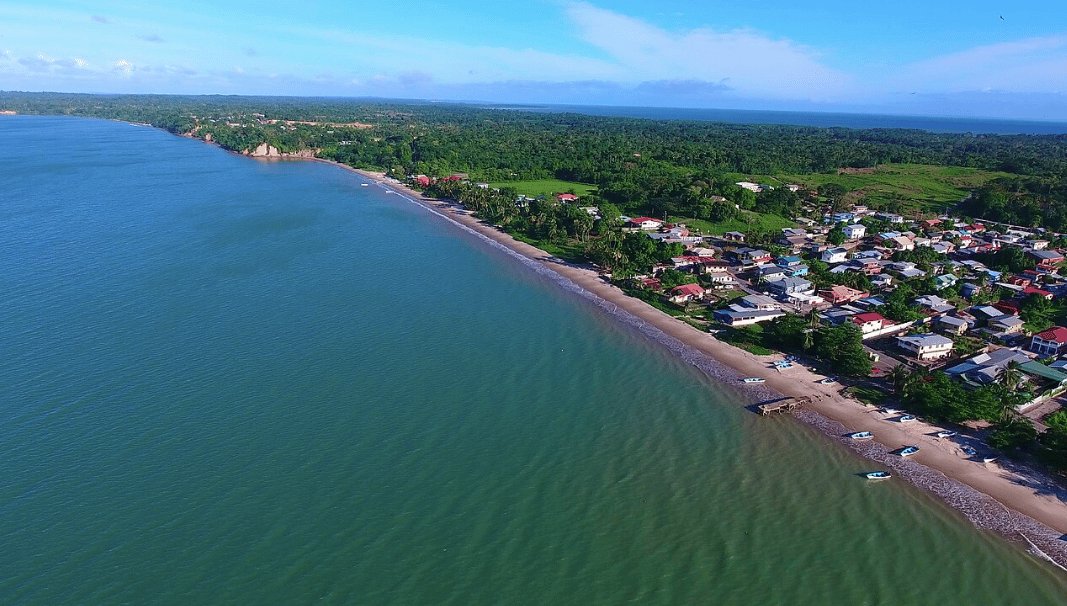
Venezuela has formally demanded information and compensation from Trinidad and Tobago over a May 1 oil spill that Caracas says originated in Trinidadian waters and risks serious environmental damage to shared Gulf of Paria ecosystems. Port of Spain strongly disputes the claim, describing the incident as a minor, quickly contained 10-barrel spill. Neighbours across the narrow stretch of water that separates the two countries now watch closely as diplomatic notes pass between capitals. The Gulf itself has long served as a shared resource for fishing communities on both sides, and any spill raises immediate questions about livelihoods that depend on clean waters.
Trinidad and Tobago officials have emphasised that the response was swift and that containment measures prevented wider spread. Yet the formal request from Caracas highlights how even small incidents can ripple across borders in this part of the Caribbean. Families in coastal villages on the Trinidad side often speak of the Gulf as an extension of their own backyards, where the catch from one day feeds households for several more. The current exchange therefore touches not only governments but everyday rhythms of life tied to the sea.
Ecological Importance of the Gulf of Paria
The Gulf of Paria stands as a vital ecological zone for the wider Caribbean, supporting mangroves, seagrass beds and diverse marine life that sustain both Trinidadian and Venezuelan waters. Its shallow depths and nutrient-rich currents make it a nursery for fish species that later migrate into the open Atlantic. Climate change already places pressure on these habitats through rising sea temperatures and more frequent storms, and any additional stress from hydrocarbons adds to existing concerns for small island developing states.
Trinidadian environmental groups have long highlighted the need to protect the Gulf as part of broader efforts to safeguard biodiversity. The area also connects to larger patterns of ocean circulation that influence hurricane formation and coastal erosion across the region. When incidents occur here, the effects are rarely confined to one shoreline, which explains why Caracas has raised the matter at a formal level. Communities in both nations share an interest in keeping these waters healthy, even as economic activities continue around them.
Trinidad-Venezuela Relations in Context
Relations between Trinidad and Tobago and Venezuela have historically balanced cooperation and tension, shaped by geography, energy interests and migration flows. The two countries share a maritime boundary that requires regular dialogue on matters ranging from fishing rights to search-and-rescue operations. Recent years have seen increased movement of people across the Gulf, adding another layer to bilateral ties that CARICOM members monitor with care.
Energy cooperation once formed a cornerstone of engagement, with pipelines and joint projects discussed at various points. The current spill dispute arrives against a backdrop of shifting regional dynamics, including Venezuela's own economic challenges and Trinidad and Tobago's focus on its domestic oil and gas sector. Officials in Port of Spain have maintained that any response must rest on verified facts rather than assumptions, a position that reflects the need to protect national interests while preserving neighbourly channels.
CARICOM Diplomacy and Regional Implications
CARICOM provides a framework through which member states can address cross-border environmental matters without escalating into larger conflicts. Trinidad and Tobago, as a founding member, often plays a bridging role between Caribbean nations and South American partners. The present exchange over the Gulf of Paria tests how effectively the organisation can facilitate technical discussions on shared resources.
Other CARICOM countries such as Jamaica, Barbados and Guyana have faced their own environmental pressures, from sargassum influxes to coastal development challenges. A coordinated regional approach to incidents like this one could strengthen collective bargaining power on international platforms. At the same time, each nation retains its sovereign right to manage incidents within its waters, which keeps diplomacy centred on information sharing and mutual respect rather than confrontation.
Energy Sector Realities and Environmental Balance
Trinidad and Tobago's economy remains closely linked to oil and gas, with facilities such as Atlantic LNG and the legacy of Petrotrin shaping national development for decades. The Gulf of Paria has hosted exploration and production activities that contribute to energy exports and domestic supply. Balancing these operations with environmental stewardship forms a constant challenge for policymakers and industry alike.
Cost of living pressures in Trinidad, driven partly by global energy prices, make the sector's stability important for households across the country. At the same time, communities near the coast express ongoing worries about pollution and its effects on fishing and tourism. The May 1 incident, however limited in official accounts, underscores the need for robust monitoring systems that can reassure both local residents and regional partners. Renewable energy discussions have gained traction in recent years, yet the transition remains gradual and tied to existing infrastructure.
Community Voices and Future Outlook
Residents along Trinidad's western coast often describe the Gulf as central to their identity, with stories of multi-generational fishing traditions passed down through families. Any threat to these waters touches on questions of food security and cultural continuity that extend beyond official statements. Venezuelan communities on the opposite shore hold similar connections, creating a natural basis for people-to-people understanding even when governments disagree.
Looking ahead, both nations stand to benefit from transparent technical exchanges that clarify the facts of the spill and any necessary follow-up measures. CARICOM mechanisms may offer neutral ground for such conversations, helping to prevent minor incidents from widening into broader diplomatic strains. As hurricane season approaches and climate pressures mount, the shared interest in a healthy Gulf of Paria remains clear for all who live beside its waters. By Sharon Sahatoo, Staff Writer
This article was produced with AI-assisted research and editorial support. Reporting is based on sources cited in the article.
What's Your Reaction?
 Like
0
Like
0
 Dislike
0
Dislike
0
 Love
0
Love
0
 Funny
0
Funny
0
 Wow
0
Wow
0
 Sad
0
Sad
0
 Angry
0
Angry
0
Caribbean Correspondent at Global1.News. Based in Port of Spain, Trinidad, covering Caribbean politics, economy, energy, climate, and culture. Amplifying the voices and stories of the Caribbean region.










Comments (0)