
Germany Secures Critical Minerals Deals in Latin America
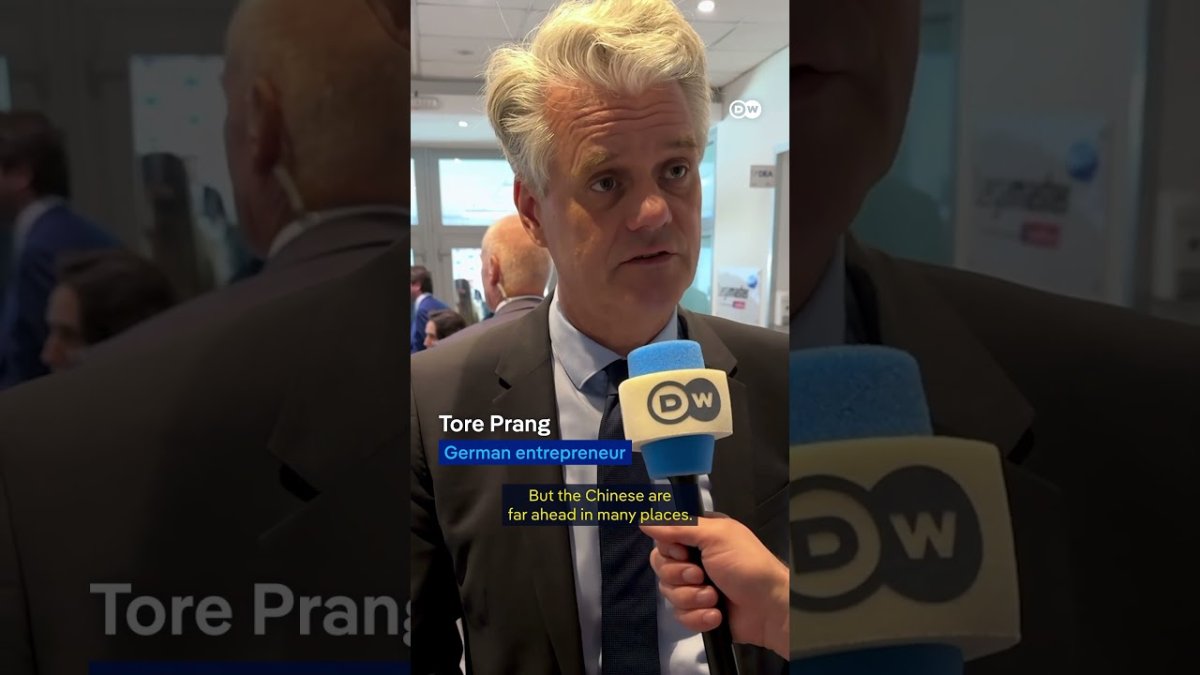
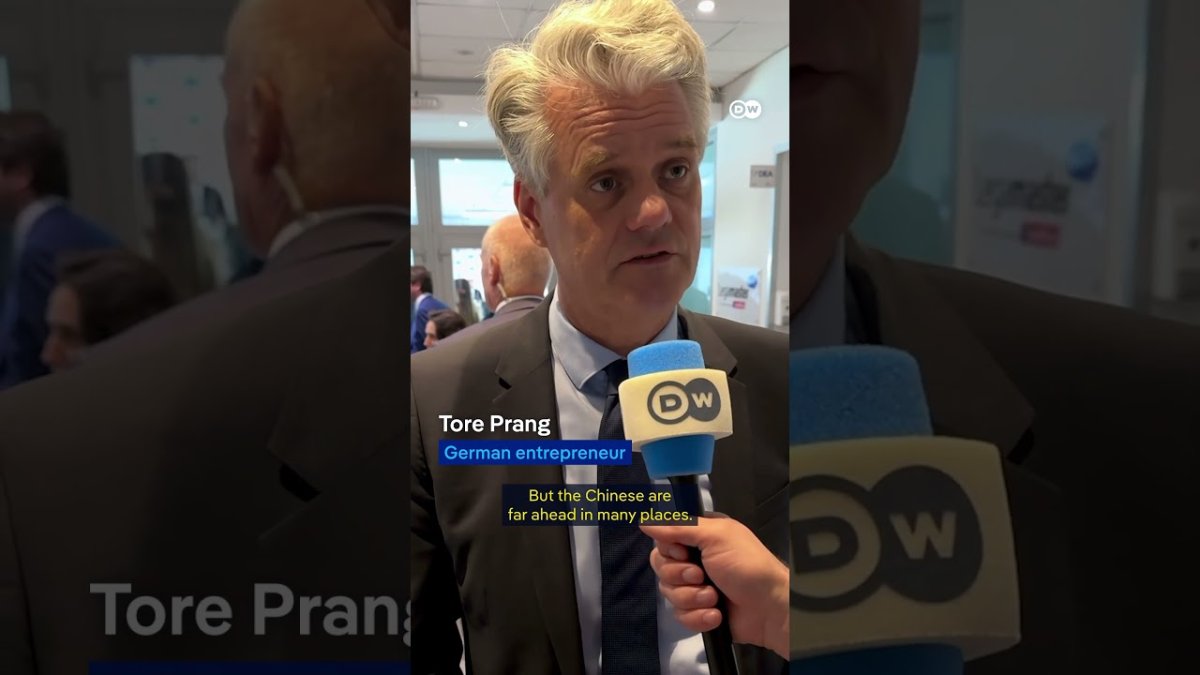
Germany Pushes for Lithium and Rare Earths Access The DW News report titled "Is Germany too late for Latin America's critical minerals?" examines German Foreign Minister Johann Wadephul's one-week trip that began June 29, 2026, covering the United States, Paraguay, Argentina, and Brazil. Wadephul, representing the CDU, met Argentine Foreign Minister Pablo Quirno in Buenos Aires
Germany Pushes for Lithium and Rare Earths Access
The DW News report titled "Is Germany too late for Latin America's critical minerals?" examines German Foreign Minister Johann Wadephul's one-week trip that began June 29, 2026, covering the United States, Paraguay, Argentina, and Brazil.
Wadephul, representing the CDU, met Argentine Foreign Minister Pablo Quirno in Buenos Aires and signed a declaration of intent focused on critical minerals and rare earths for high-tech manufacturing and clean energy projects.
The agreement targets supply chain diversification away from China, which controls approximately 70 percent of global rare earth production, while Argentina's mining exports consist of roughly 95 percent gold, silver, and lithium.
Details of the One-Week Diplomatic Tour
Wadephul attended the Mercosur summit in Paraguay before traveling to Argentina and then Brazil, where he spoke at a German Chamber of Commerce conference in São Paulo on July 3, 2026.
In Buenos Aires he also visited the Parque de la Memoria memorial, linking the minerals partnership to broader diplomatic engagement with Argentine civil society groups.
The signed memorandum emphasizes German technology transfers for local processing that meet European environmental and social standards at specific lithium projects in Argentina's Salta and Jujuy provinces.
China's Established Position in the Region
Chinese state-backed firms have operated major lithium and copper projects in Argentina and Chile since 2018, building roads, ports, and processing plants that now handle over 40 percent of the Lithium Triangle's output.
Wadephul stated during the São Paulo conference that Europe must diversify economies and increase resilience in supply chains to avoid single-country dependence on critical inputs.
German officials note that Latin America's Lithium Triangle, spanning Argentina, Chile, and Bolivia, contains more than 56 percent of known global lithium reserves, making the region central to electric vehicle battery production.
Effects on Mining Communities and Families
Workers in Argentina's highland mining towns near the Salar de Hombre Muerto stand to gain from new processing facilities that could create 2,500 direct jobs if German-backed projects reach full operation by 2029.
Indigenous communities in Jujuy province have already raised concerns that expanded extraction without prior consultation could reduce water access for traditional agriculture and llama herding.
Ordinary families in northern Argentina and southern Bolivia watch these deals closely because lithium royalties fund local schools and health clinics, yet past mining cycles have left environmental damage that requires decades to reverse.
Mexican mining unions in Sonora state monitor the same developments, noting that similar foreign partnerships could influence labor standards and community consultation rules across Latin America.
EU-Mercosur Trade Framework in Action
The EU-Mercosur free trade agreement entered provisional application on May 1, 2026, removing tariffs on processed minerals and opening investment protections for European companies operating in Brazil, Argentina, Paraguay, and Uruguay.
Wadephul highlighted at the São Paulo event that the trade deal allows German firms to export processing equipment while requiring adherence to EU sustainability criteria on water use and labor rights.
Latin American governments view the agreement as leverage to negotiate technology transfers rather than raw ore exports, a shift that could raise value added within the region by an estimated 15 percent over ten years.
Reactions from Governments and Civil Society
Argentine officials welcomed the memorandum as a counterweight to Chinese investment, while Chilean mining ministry representatives stated they would study similar cooperation offers in the coming months.
Indigenous organizations in Bolivia's Potosí department issued statements demanding that any new partnerships include binding revenue-sharing formulas and environmental monitoring committees with local representation.
Brazilian trade unions at the German Chamber of Commerce event pressed for guarantees that technology transfers include training programs for local engineers rather than reliance on expatriate specialists.
Next Steps in Minerals Diplomacy
German development agencies plan follow-up technical missions to Argentina's lithium projects in August 2026 to assess environmental impact studies and community consultation processes.
EU trade officials will review compliance with the provisional Mercosur agreement during a scheduled September 2026 meeting in Montevideo that includes representatives from all four Mercosur countries.
Latin American governments continue to balance offers from Germany, China, and the United States, seeking partnerships that deliver both investment and genuine local processing capacity for the next generation of workers.
By Rosa Martinez, Staff WriterThis article was produced with AI-assisted research and editorial support. Reporting is based on sources cited in the article.
What's Your Reaction?
 Like
0
Like
0
 Dislike
0
Dislike
0
 Love
0
Love
0
 Funny
0
Funny
0
 Wow
0
Wow
0
 Sad
0
Sad
0
 Angry
0
Angry
0

Latin America/Andes Correspondent at Global1.News. Based in Bogota, covering politics, environment, energy, and social movements across the Andean region. Passionate about environmental journalism and communities protecting their land.











Comments (0)