
Fox News Dominion $787.5M Settlement: Media Accountability
Fox News Faces Reckoning in Dominion Defamation Battle The Origins of the Lawsuit Filed in March 2021 Look, when Dominion Voting Systems brought its defamation suit against Fox News in March 2021 in Delaware Superior Court, it marked a serious challenge to how major networks handled post-election claims. The company sought $1.6 billion in damages, pointing to repeated broadcast
The Origins of the Lawsuit Filed in March 2021
Look, when Dominion Voting Systems brought its defamation suit against Fox News in March 2021 in Delaware Superior Court, it marked a serious challenge to how major networks handled post-election claims. The company sought $1.6 billion in damages, pointing to repeated broadcasts that questioned the integrity of voting machines without solid backing. This was not some minor dispute but a direct response to coverage that aired after the 2020 election results came in.
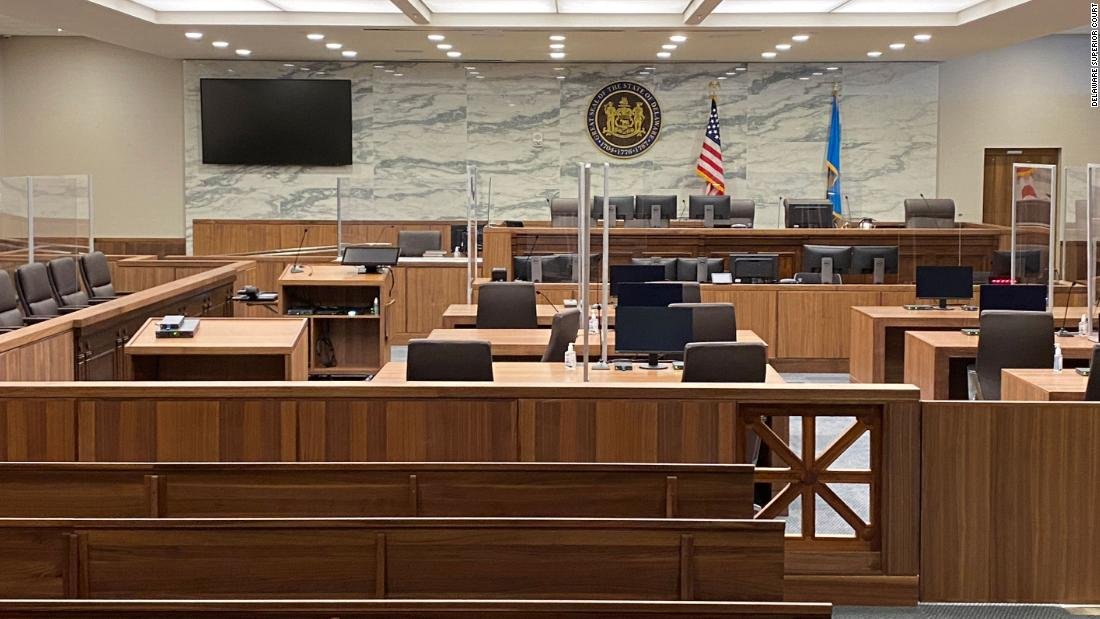
You have to remember the context here. Dominion argued that Fox amplified false statements about its equipment flipping votes or being rigged, and those statements reached millions of viewers. The filing came at a time when public trust in election processes was already strained, and the lawsuit aimed to hold the network responsible for what it presented as news. Judge Eric Davis would later oversee the case in Courtroom 7E in Wilmington, Delaware, setting the stage for intense legal scrutiny.
Folks, this was not an overnight decision by Dominion. The company waited until it had gathered enough evidence of potential harm before filing, and the $1.6 billion figure reflected claimed losses from lost business and reputational damage. As the case progressed, it became clear that the origins traced back to specific on-air segments that Dominion said crossed into defamation territory. This move forced Fox to defend its editorial choices in a public forum rather than just on its own airwaves.
Viewers, the March 2021 filing also highlighted how private companies can push back against media narratives when they believe falsehoods have caused real harm. Dominion positioned itself as defending not just its product but the broader democratic process. The lawsuit's start in Delaware Superior Court meant it would unfold under state rules that allow for substantial discovery, which later proved crucial. No one at the time could predict how far the revelations would go, but the origins showed a willingness to test the boundaries of press protections.
Conversations around this case from the beginning emphasized that media outlets have responsibilities alongside their rights to report. The suit against Fox News stood out because of the network's reach and influence during a pivotal political moment. By filing in March 2021, Dominion set in motion a process that would eventually lead to one of the largest settlements in U.S. history, though that outcome remained uncertain for years.
Key Discovery Revelations from Internal Fox Messages
Now, the discovery phase brought forward internal Fox messages that showed hosts and executives privately doubted the fraud claims they were airing. These communications revealed a gap between what was said on air and what some key figures appeared to believe behind the scenes. For viewers who tuned in daily, this contrast raised questions about how editorial decisions were made at the network.
You see, the messages involved prominent names like Tucker Carlson and Sean Hannity, along with higher-ups such as Rupert Murdoch and Suzanne Scott. They indicated that some at Fox questioned the validity of the election-related assertions even as the broadcasts continued. This material emerged through the legal process and painted a picture of internal skepticism that was not always reflected in the public programming.
Folks, these revelations did not come from speculation but from documents produced during discovery in the Delaware case. The content suggested that concerns about accuracy existed at the highest levels, yet the coverage persisted in certain directions. This aspect of the lawsuit underscored how internal doubts can surface when litigation forces transparency, and it put pressure on Fox to explain the disconnect.
Viewers, the internal messages became central to Dominion's argument that the network knew or should have known better than to promote certain claims. The fact that hosts like Carlson and Hannity appeared in these exchanges added weight, as they were central to the prime-time lineup. Suzanne Scott and Rupert Murdoch's involvement further highlighted leadership awareness during the period in question.
The discovery process in Courtroom 7E allowed these details to come to light in a structured way, giving both sides the chance to review evidence before any trial. While the messages did not end the case on their own, they shifted the dynamics and made settlement discussions more urgent as the trial date approached. This phase demonstrated the power of pretrial procedures to expose information that might otherwise stay private.
Analysis of these revelations shows how media accountability can hinge on what is said internally versus externally. The messages from Fox personnel provided concrete examples of the tensions that can arise when commercial pressures meet journalistic standards. As the case moved forward, these documents helped frame the debate around whether the broadcasts crossed legal lines.
Pretrial Rulings by Judge Eric Davis
Judge Eric Davis played a pivotal role through his pretrial rulings that narrowed the defenses available to Fox News. Operating out of Courtroom 7E in Wilmington, Delaware, he consistently pushed back on attempts to dismiss key elements of the case. These decisions kept the focus on whether the network's statements met the legal threshold for defamation.
You have to appreciate how these rulings shaped the trajectory. By limiting certain arguments, Judge Davis ensured that the trial would examine the actual content of the broadcasts and the knowledge behind them. This approach prevented the case from being sidetracked by broader claims about press freedom without addressing the specifics Dominion raised.
Folks, the judge's patience appeared tested at times with the legal team's strategies, leading to tighter parameters around what could be presented. Jury selection proceeded with 300 potential jurors summoned, indicating that the court was prepared to move ahead with a full trial. These steps showed a commitment to letting the evidence speak rather than allowing procedural maneuvers to dominate.
Viewers, the pretrial phase under Judge Davis highlighted the importance of judicial oversight in high-stakes media cases. Rulings that narrowed defenses meant Fox would have to confront the internal messages and on-air statements directly. This created an environment where settlement became a more attractive option as the scheduled start date neared.
The decisions also reflected caution about timelines, as the judge avoided rushing conclusions before all evidence was reviewed. With the trial set to begin after jury selection wrapped up, the rulings maintained momentum toward accountability without overstepping. This balanced approach kept the proceedings grounded in the facts presented by both sides.
Overall, Judge Davis's handling of the pretrial matters set a tone of seriousness for the entire process. By focusing on concrete examples from the broadcasts and discovery, the court ensured that the case stayed centered on the defamation claims rather than abstract debates. These steps proved essential in bringing the parties to the table for resolution.
The Dramatic Settlement Announcement on April 18, 2023
Just hours before opening arguments were set to begin, Fox News reached a $787.5 million settlement with Dominion on April 18, 2023. This agreement stands as the largest defamation settlement in U.S. history and came after years of legal wrangling in Delaware Superior Court. The timing underscored how close the case had come to a full public trial in Courtroom 7E.
You can imagine the last-minute negotiations that must have taken place, with both sides weighing the risks of proceeding. The settlement avoided a jury verdict but still required Fox to pay a substantial sum without any admission of liability. This outcome reflected the pressures built up from discovery revelations and judicial rulings alike.
Folks, the $787.5 million figure sent shockwaves through the media industry because it represented real financial consequences for the claims that had aired. While the trial with its 300 potential jurors never fully launched, the settlement itself became the headline event. It showed that even major networks can face significant accountability when defamation suits gain traction.
Viewers, the announcement on April 18, 2023, arrived at a moment when public interest in the case was at its peak. Key figures including Rupert Murdoch, Suzanne Scott, Tucker Carlson, and Sean Hannity had been central to the proceedings, and the resolution spared them from testifying under oath in open court. The absence of an admission of liability allowed Fox to maintain its position while still resolving the dispute.
The settlement also highlighted the practical limits of litigation, as both parties chose certainty over the uncertainties of a trial verdict. Judge Eric Davis's oversight throughout ensured that the process reached this point in an orderly manner. This development marked a turning point in how such high-profile media cases can conclude without a complete courtroom showdown.
Analysis of the timing reveals how discovery and pretrial work can drive parties toward resolution when evidence mounts. The largest defamation settlement in U.S. history now serves as a benchmark for future disputes, demonstrating that substantial payouts are possible even without a final judgment. This chapter closed one phase but opened discussions about what comes next for similar claims.
What the Settlement Reveals About Media Accountability
The $787.5 million agreement on April 18, 2023, offers a clear signal that media outlets can face meaningful financial repercussions for defamation claims when evidence supports them. Without an admission of liability, the settlement still required Fox News to make a major payment that reflects the scale of the allegations. This outcome suggests that internal communications and broadcast records can play decisive roles in such cases.
You see, the revelations from discovery about hosts doubting fraud claims added weight to Dominion's position and likely influenced the final terms. By settling just before trial in Courtroom 7E, Fox avoided further public examination of those messages and the involvement of figures like Rupert Murdoch and Suzanne Scott. The result points to a growing expectation that networks must align their on-air content more closely with internal assessments of accuracy.
Folks, this case demonstrates that American media accountability is evolving, with private lawsuits serving as one tool for enforcement. The fact that the settlement became the largest defamation payout in U.S. history underscores the potential costs when claims go unchallenged for too long. Viewers now have a concrete example of how legal processes can prompt reflection within news organizations.
Viewers, the absence of a full trial means some questions remain unanswered, yet the financial impact alone carries significant weight. Judge Eric Davis's pretrial rulings helped narrow the issues to a point where resolution made sense for both sides. This balance between accuracy and value in the legal system shows how accountability can advance even when complete admissions are not part of the deal.
The settlement also invites broader conversations about how media companies handle contested topics during election periods. With key hosts such as Tucker Carlson and Sean Hannity featured in the internal exchanges, the case illustrated the risks when private doubts surface publicly through litigation. Moving forward, networks may weigh these factors more carefully in their coverage decisions.
Ultimately, the Dominion outcome reveals that accountability in American media can come through sustained legal pressure rather than solely through regulatory channels. The $787.5 million payment stands as evidence that substantial consequences are possible, encouraging greater caution in future reporting. This development strengthens the case for ongoing vigilance without assuming every dispute will end the same way.
Broader Implications for American Media Landscape
Stepping back, the Dominion settlement with Fox News points to shifts in how media accountability might operate in the years ahead. The $787.5 million agreement reached on April 18, 2023, serves as a reference point for other potential plaintiffs considering similar actions. While no admission of liability was included, the size of the payout alone can influence internal risk assessments at networks across the spectrum.
You have to consider that this resolution came after extensive discovery and pretrial work under Judge Eric Davis, showing the value of thorough legal preparation. The involvement of high-profile individuals like Rupert Murdoch, Suzanne Scott, Tucker Carlson, and Sean Hannity brought additional attention to the proceedings. This visibility may encourage other media figures to think twice about the long-term implications of their statements.
Folks, the case also highlights the role of state courts, such as Delaware Superior Court, in handling complex defamation matters involving national broadcasters. By avoiding a full trial after jury selection with 300 potential jurors, the parties chose a path that limited further public disclosure. Yet the outcome still advances the conversation about responsible broadcasting during politically charged times.
Viewers, looking ahead, this settlement could prompt media organizations to strengthen internal review processes before airing contentious claims. The internal messages that emerged during discovery provided a window into decision-making that might otherwise have remained hidden. Such transparency, even if limited, contributes to a more informed public understanding of how news is produced.
The broader landscape now includes this precedent of a record defamation settlement, which may deter some aggressive coverage while also sparking debates about free speech boundaries. Judge Davis's approach in Courtroom 7E demonstrated how judges can guide cases toward substantive examination without rushing to judgment. This measured pace allows for careful consideration of evidence on all sides.
In the end, the Dominion matter against Fox News illustrates that accountability mechanisms in American media are active and capable of producing tangible results. The settlement on April 18, 2023, stands as a milestone that future cases will reference, reminding everyone involved that words carry weight and consequences can follow when standards slip. This chapter encourages continued focus on facts and fairness in news delivery. By Jessica Ali, Staff Writer
This article was produced with AI-assisted research and editorial support. Reporting is based on sources cited in the article.
What's Your Reaction?
 Like
0
Like
0
 Dislike
0
Dislike
0
 Love
0
Love
0
 Funny
0
Funny
0
 Wow
0
Wow
0
 Sad
0
Sad
0
 Angry
0
Angry
0

Editor-in-Chief at Global1.News. Atlanta-based journalist who cuts through the BS and tells it like it is. Lead anchor, host, and the voice you hear when the spin stops and the truth starts.















Comments (0)