
Arthur's Seat Fire: Crews Tackle Blaze on Edinburgh Landmark
Fire crews from the Scottish Fire and Rescue Service worked through Sunday evening to contain a blaze at Arthur's Seat in Edinburgh, while colleagues continued operations at a separate wildfire in the Cairngorms National Park. The incidents highlight the pressures on emergency services during what has become a demanding period for wildfire response across Scotland.
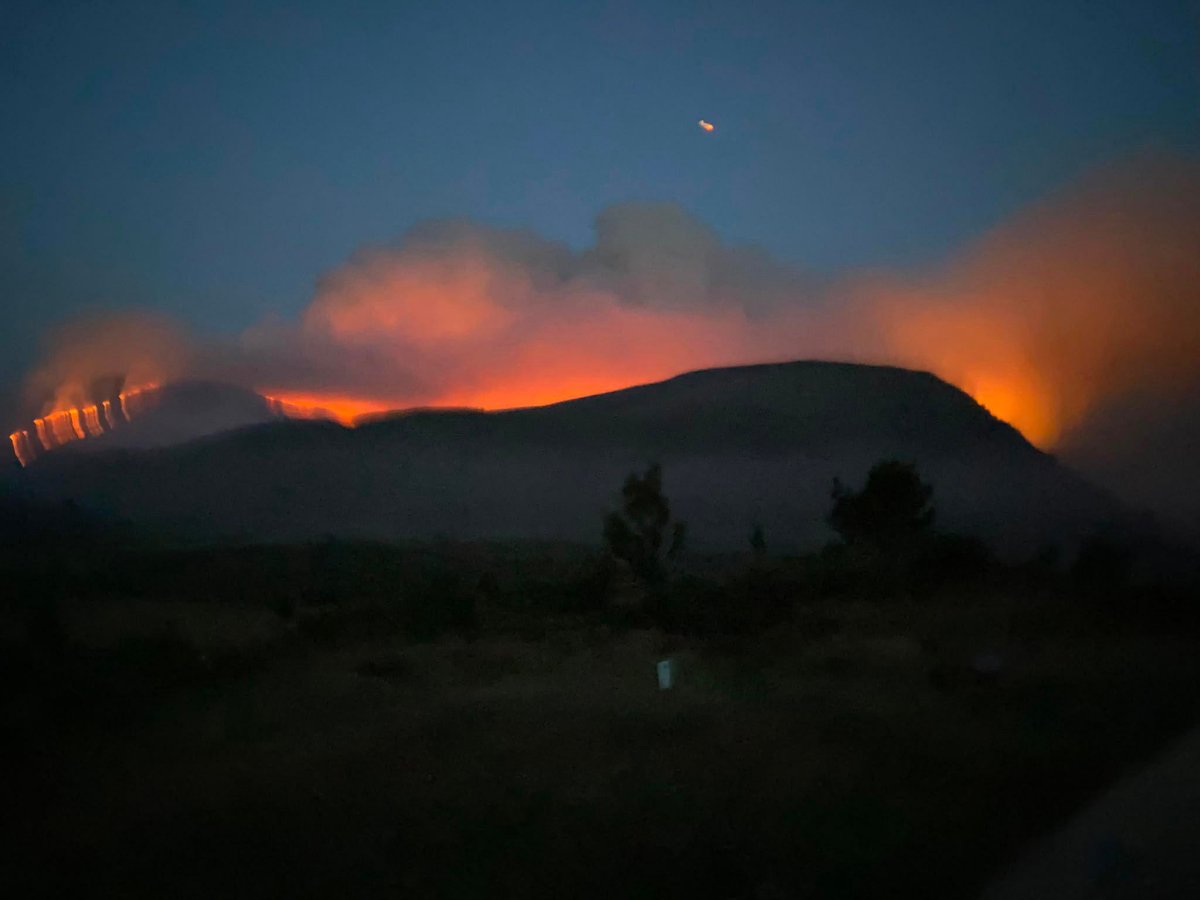
Fire crews from the Scottish Fire and Rescue Service worked through Sunday evening to contain a blaze at Arthur's Seat in Edinburgh, while colleagues continued operations at a separate wildfire in the Cairngorms National Park. The incidents highlight the pressures on emergency services during what has become a demanding period for wildfire response across Scotland.
Fire Crews Respond to Blaze at Arthur's Seat in Edinburgh
The Scottish Fire and Rescue Service received the first reports of fire in the open at Arthur's Seat at 6.38pm on Sunday 19 July. Operations Control mobilised four fire appliances to the scene in Holyrood Park, where crews remained active into the evening. Arthur's Seat, an ancient volcano that rises 251 metres above sea level, forms the centrepiece of the park and attracts large numbers of walkers and tourists throughout the year.
An SFRS spokesperson confirmed the details of the response, stating that crews were still at the scene after the initial alert. The location's popularity means any incident draws immediate attention from residents and visitors who use the paths daily. Previous fires at the same site occurred in 2018 and 2021, though each event required separate assessments by responding teams.
Parallel Wildfire Continues in Cairngorms National Park
While crews addressed the Edinburgh incident, the Scottish Fire and Rescue Service maintained operations at a wildfire in the Cairngorms National Park that had been burning since Wednesday. At its peak the fire affected around four square kilometres. On Sunday afternoon park officials reported that the fire was now largely surrounded, with helicopter support deployed in areas that proved difficult to reach by ground teams.
Gavin Miles, director of planning and place at the Cairngorms National Park Authority, described the situation as encouraging yet still live. He noted that teams remained active on the ground and that nothing could be taken for granted. Evacuated residents were expected to return home later on Sunday, though the Ski Road and surrounding areas were likely to stay off-limits for some time due to the volume of personnel and equipment present.
Scottish Fire and Rescue Service Faces Multiple Demands
The Scottish Fire and Rescue Service, formed in 2013 from eight regional services, now manages incidents across a wide geographic area. Sunday's simultaneous responses in Edinburgh and the Cairngorms illustrate the organisation's need to allocate resources efficiently when multiple wildfires occur within days of each other. Four appliances were committed to Arthur's Seat alone, while additional units and specialist support continued work in the national park.
Co-ordination between the service and local authorities remains central to managing exclusion zones and public safety messages. The Cairngorms National Park Authority has worked closely with SFRS throughout the Glenmore incident, providing updates on access and supporting residents affected by the restrictions.
Tourism and Economic Pressures on Affected Regions
Edinburgh's tourism economy contributes more than £1.4 billion annually, according to VisitScotland data, with Holyrood Park recording over 1.5 million visitors each year through figures compiled by the Edinburgh Tourism Action Group. Any closure or access restriction at Arthur's Seat therefore carries immediate implications for local businesses that rely on footfall from walkers and sightseers.
In the Cairngorms, the UK's largest national park at 4,528 square kilometres and designated in 2003, the ongoing situation around Glenmore has already prompted temporary changes for residents, campers and visitors. Gavin Miles expressed gratitude for the co-operation shown by local people and businesses during what he described as a difficult time, while emphasising that the exclusion zone would remain in place until safety assessments allowed wider reopening.
Climate Patterns and Wildfire Frequency in Scotland
Climate projections for Scotland point to warmer and drier summers, conditions that increase the likelihood of vegetation fires taking hold in upland and parkland areas. The incidents on Sunday follow a pattern seen in recent years, where prolonged dry spells have contributed to outbreaks across both lowland and highland locations.
Authorities continue to monitor how these seasonal shifts affect response planning. The combination of an urban-edge site such as Arthur's Seat and a remote national park location such as Glenmore demonstrates the varied environments in which the Scottish Fire and Rescue Service must operate when vegetation ignites.
Lessons from Previous Scottish Wildfire Seasons
Scotland has experienced notable wildfire events in earlier years, including the 2023 Cannich wildfire that covered approximately 25 square miles in the Highlands and the 2019 Moray wildfires. Each incident prompted reviews of equipment deployment, inter-agency communication and public warning systems.
The current operations at Arthur's Seat and in the Cairngorms build on those earlier experiences. The use of helicopter support in tougher terrain and the rapid mobilisation of multiple appliances reflect adjustments made after previous seasons, though every new event still requires on-site evaluation by incident commanders.
Looking Ahead: Preparedness and Prevention
With the fire at Arthur's Seat still requiring attention on Sunday evening and the Cairngorms incident described as live, attention now turns to longer-term measures that could reduce future risk. Public information campaigns about responsible behaviour in dry conditions, together with continued investment in rapid response capability, form part of ongoing discussions among emergency planners.
The Scottish Fire and Rescue Service and partner organisations such as the Cairngorms National Park Authority will assess the effectiveness of current tactics once both incidents are fully resolved. Such reviews help refine procedures for the next period of elevated wildfire risk, ensuring that resources can be directed where they are most needed across Scotland's varied landscapes.
By Erica Thornton, Staff WriterThis article was produced with AI-assisted research and editorial support. Reporting is based on sources cited in the article.
What's Your Reaction?
 Like
0
Like
0
 Dislike
0
Dislike
0
 Love
0
Love
0
 Funny
0
Funny
0
 Wow
0
Wow
0
 Sad
0
Sad
0
 Angry
0
Angry
0

US Politics and Policy Correspondent at Global1.News. Based in Washington DC, covering American politics, policy, elections, and the courts. Knows how the system works and tells you what it actually means.













Comments (0)