
The Day Fox News Finally Met the No Spin Zone: Inside the Dominion $787 Million Reckoning
The Day Fox News Finally Met the No Spin Zone: Inside the Dominion $787 Million Reckoning The High Stakes in Wilmington's Courtroom 7E In April 2023, the media defamation trial of the century stood on the brink of unfolding in Wilmington, Delaware. Jury selection for Dominion Voting Systems' $1.6 billion lawsuit against Fox News occurred on April 13, when 300 potential jurors r
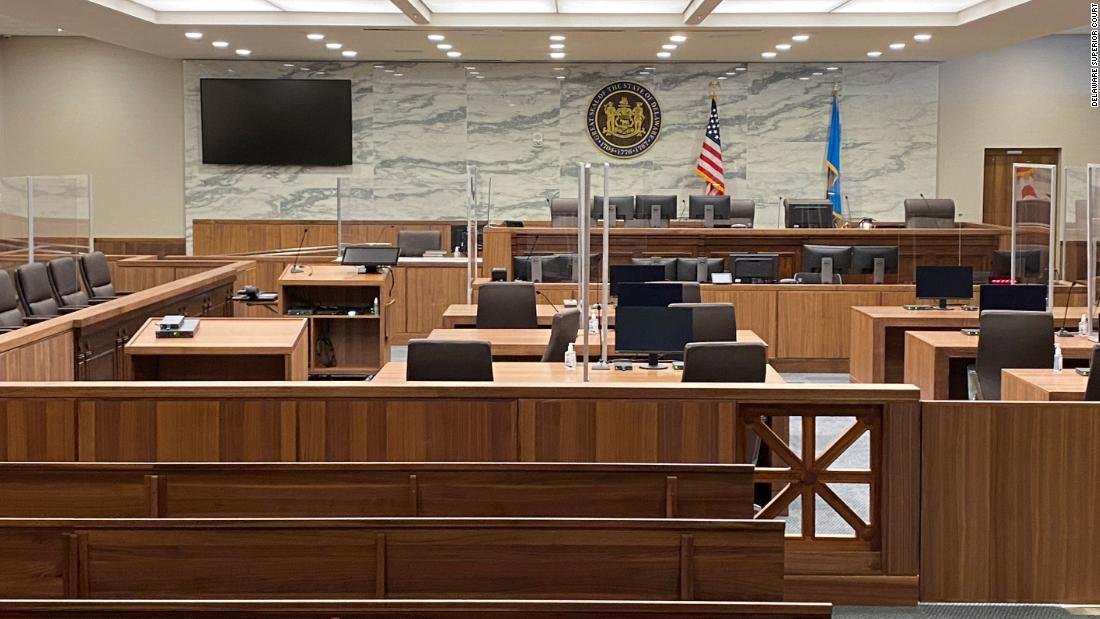
The High Stakes in Wilmington's Courtroom 7E
In April 2023, the media defamation trial of the century stood on the brink of unfolding in Wilmington, Delaware. Jury selection for Dominion Voting Systems' $1.6 billion lawsuit against Fox News occurred on April 13, when 300 potential jurors received summons to appear. The presiding judge observed that more than enough qualified individuals stood ready to proceed with the trial as planned for April 17. Inside Courtroom 7E, top executives from Murdoch Media, flanked by teams of high-powered attorneys, prepared to defend the network after multiple failed attempts to have the case dismissed. This setting forced Fox to confront its actions under strict legal scrutiny rather than through its usual broadcast defenses.
The case centered on claims that Fox had broadcast false statements about Dominion's voting machines following the 2020 election. Dominion alleged these broadcasts damaged its business irreparably. With the trial date approaching, the network faced the prospect of presenting evidence and witnesses in a forum where judges and jurors demanded factual accuracy. The scale of the lawsuit and the number of summoned jurors underscored the gravity of the proceedings in that Delaware courtroom.
Fox News's Pattern of Election Misinformation
Fox News aired numerous false claims about the 2020 election results in the weeks and months after November 2020. Hosts and guests repeatedly questioned the integrity of Dominion's voting systems without evidence, amplifying narratives that had originated on the fringes of right-wing media. These broadcasts occurred even as internal communications at the network revealed doubts about the accuracy of the claims being promoted on air. The pattern extended beyond elections to include repeated challenges to public health guidance, inflammatory statements on immigration, and promotion of conspiracy theories that lacked factual basis.
Over the years, such content helped Fox maintain its audience by tapping into existing grievances. Yet the Dominion lawsuit exposed how these practices crossed into defamation when they targeted a specific company with verifiable falsehoods. Court documents later highlighted instances where Fox personnel continued to platform these claims despite knowing they contradicted available evidence from election officials and experts.
Escaping Past Controversies: Why Dominion Was Different
Fox News had navigated numerous controversies in prior years by relying on its established playbook. The network often deflected criticism through on-air attacks against other media outlets or by simply moving past the issue without formal acknowledgment. This approach allowed it to emerge from storms stronger in some cases, as loyal viewers remained engaged. However, the Dominion case operated under different rules once it reached the Delaware court system.
In Courtroom 7E, executives such as Rupert Murdoch and Suzanne Scott, along with hosts including Tucker Carlson and Sean Hannity, could not dismiss inquiries or redirect attention to external targets. Legal proceedings required responses grounded in evidence, and the judge overseeing the matter showed increasing impatience with delays or incomplete disclosures from Fox's legal team. The network's standard tactics proved ineffective against a plaintiff determined to pursue discovery and a trial setting that prioritized facts over narrative control. This environment stripped away the protections Fox typically enjoyed in the court of public opinion.
The Last-Minute Reckoning: A $787.5 Million Settlement
The trial never advanced to opening statements or a jury verdict. On April 18, 2023, Fox News and Dominion Voting Systems announced a settlement just as proceedings were scheduled to begin in Wilmington. Fox agreed to pay Dominion $787.5 million, marking one of the largest defamation settlements in United States history. As part of the agreement, the network acknowledged the court's prior finding that certain statements aired about Dominion were false.
This outcome arrived after extensive pretrial litigation that included document production and depositions. The settlement amount reflected the strength of Dominion's case and the risks Fox faced if the matter proceeded to a full trial. By resolving the dispute at this stage, the network avoided further public examination of its internal decision-making processes during the post-election period. The payment stood as a concrete financial consequence for the broadcasts that had triggered the lawsuit.
What the Dominion Case Means for Media Accountability
The Dominion settlement highlighted the potential for defamation litigation to impose meaningful checks on media organizations that prioritize audience retention over accuracy. In this instance, the $787.5 million figure served as a direct reminder that repeated false statements about a private company could carry substantial costs when pursued through the legal system. Other outlets took note of how discovery processes revealed internal contradictions between what Fox personnel knew and what they broadcast.
Going forward, the case encouraged greater caution among networks when handling claims that could harm specific businesses or individuals. It demonstrated that even large media entities with significant resources might face accountability when evidence of knowing falsehoods emerges in court records. The retrospective view from April 2023 onward shows how this resolution shifted discussions around journalistic standards without requiring a full verdict.
Enforcing the No Spin Zone Through Legal Means
The Dominion proceedings illustrated the limits of media self-regulation when commercial incentives align against factual reporting. Fox's history of weathering criticism through deflection gave way to a setting where external authorities enforced standards of truthfulness. The settlement on April 18, 2023, prevented a prolonged trial but still delivered a clear financial and reputational impact.
Analysts observed that the case could influence future litigation strategies by plaintiffs seeking redress for media-driven harms. It also prompted internal reviews at other organizations about the balance between opinion content and factual assertions. Ultimately, the events in Wilmington reinforced that legal accountability remains a viable mechanism when broadcast platforms stray into verifiable defamation.
By Jessica Ali, Staff WriterThis article was produced with AI-assisted research and editorial support. Reporting is based on sources cited in the article.
What's Your Reaction?
 Like
0
Like
0
 Dislike
0
Dislike
0
 Love
0
Love
0
 Funny
0
Funny
0
 Wow
0
Wow
0
 Sad
0
Sad
0
 Angry
0
Angry
0

Editor-in-Chief at Global1.News. Atlanta-based journalist who cuts through the BS and tells it like it is. Lead anchor, host, and the voice you hear when the spin stops and the truth starts.















Comments (0)